
What New York homes are up against.
NOAA National Centers for Environmental Information, Storm Events Database, bulk CSV export, events 2015-01-01 through 2024-12-31. · U.S. Census Bureau, 2020-2024 American Community Survey 5-Year Estimates

A homeowner deciding whether a strange smell or a slow start from the furnace can wait usually finds out it could not. Homes in New York run heat about eight months a year, from October through May. That kind of stretch means the burner and the ignition system are cycling on and off across most of the calendar, not just during a handful of cold snaps, so a part that is starting to fail gets stressed again before it has a chance to rest. Idle time is short, which is exactly when a small fault turns into a no-heat call.

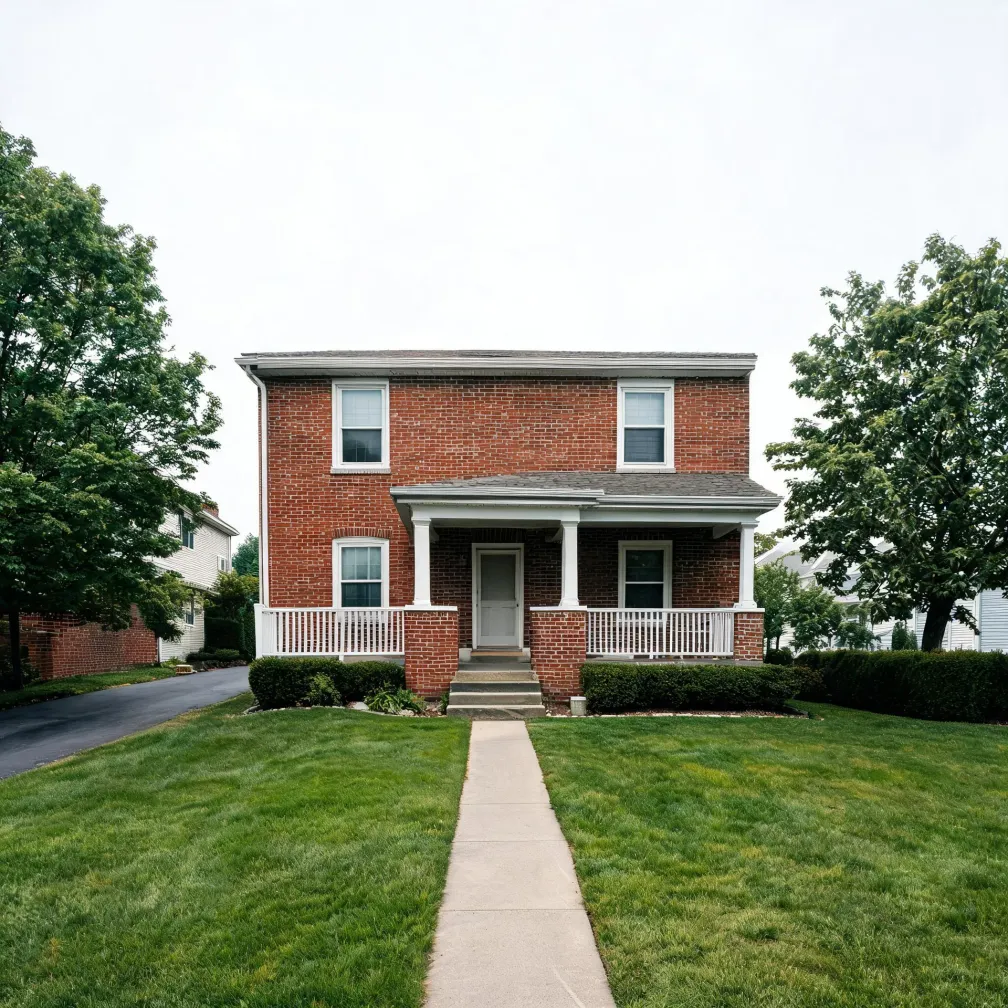
Before a contractor quotes a new furnace or a heat pump, they open the panel, trace the ductwork, and see what is actually there to connect to. Half the homes in New York were built in 1959 or earlier (2020-2024 ACS 5-year). That's the state as a whole, and it means the duct runs, the wiring, and the venting a contractor finds on any given job can vary widely from one house to the next, even on the same street. None of it can be assumed from the outside or from how old the house looks. A contractor checks the condition of what exists before recommending a size, a fuel type, or a route for new lines, because guessing wrong means a system that never fits the house it's going into.
Does severe weather put extra strain on your HVAC system in New York?
2015–2024 · Source: NOAA National Centers for Environmental Information, Storm Events Database.
A county with a heavier storm record puts more demand on the equipment sitting outside. Wind, hail and heavy rain all reach a condenser directly, and repeated exposure wears on the cabinet, the fan and the coil inside it. If your area sees more of these events, have a contractor check where the outdoor unit sits, how firmly it is anchored to its pad, and the condition of the unit itself.