
Furnace Installation in Hempstead, NY
A new furnace here will run from October through May every year. Tell us about the house, and a licensed contractor who covers Nassau County will get in touch.
Tell us about the job
It takes about a minute.
Eight months of heat, and nights that drop to 28°F
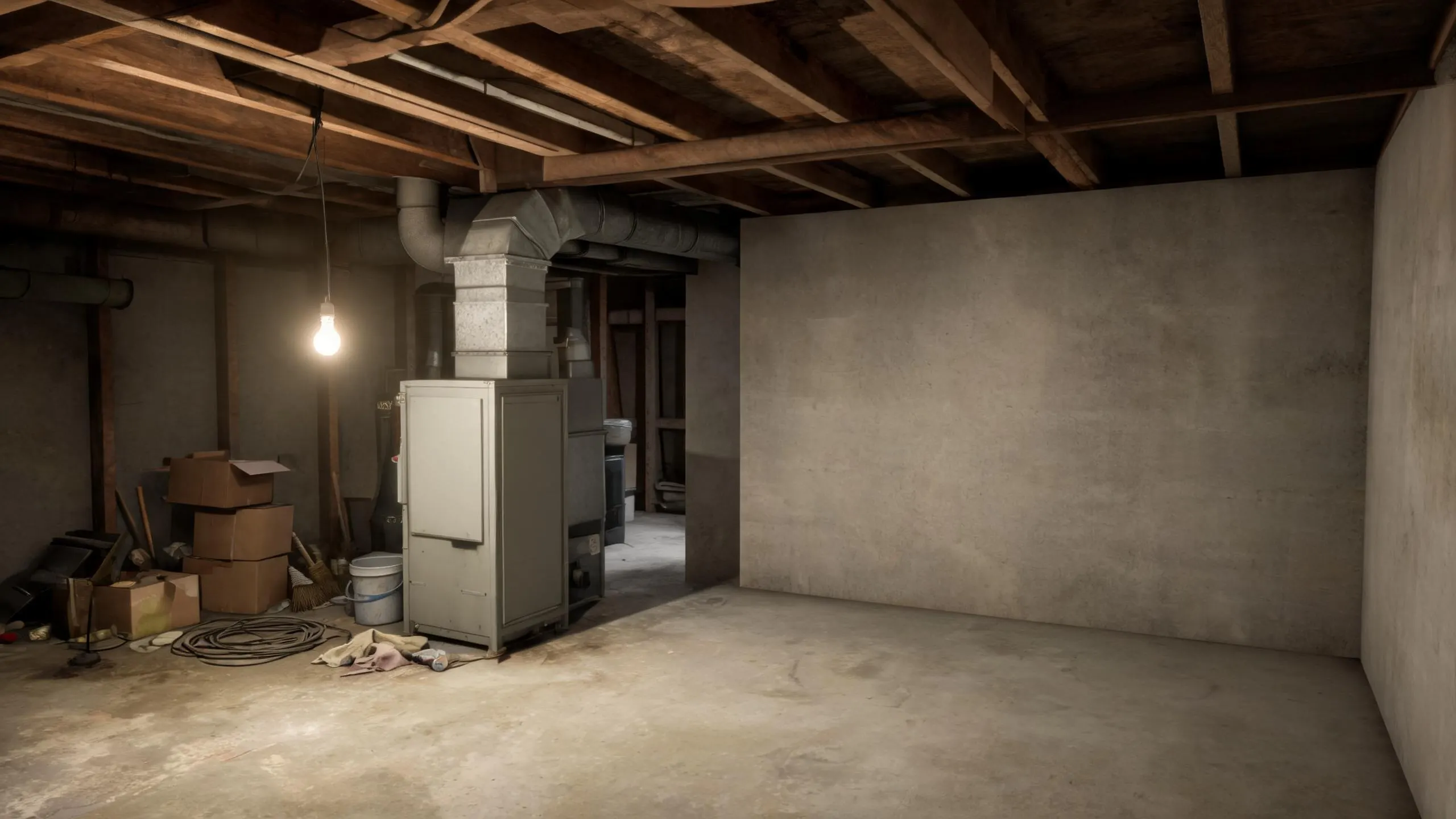
In Hempstead, a furnace runs from October through May. That's most of the year. Winter nights average 28°F, and a new furnace has to carry that load night after night without strain.
Most homes here heat with gas. Any non-weatherized gas furnace built since November 2015 has to reach at least 80 percent AFUE. That's the floor, not a feature. Storms are part of the picture too. Nassau County has logged 37 winter storms and 143 damaging wind events over the past ten years. Power does go out, 11% of New York households went at least 24 hours without it in 2024. It's worth asking how a new furnace handles that, and whether it comes back on by itself once power returns.
- 8 months
- October through May, your furnace is on duty
- 28°F
- the average winter night it heats against
- 62%
- of homes here heat with gas, so most furnaces here burn gas
- 80% AFUE
- the federal minimum any new unit must meet
NOAA nClimDiv, 1991–2020 normals

A high-efficiency gas furnace would save about $110 a year to run in Nassau County compared with a gas furnace.
Estimates for a typical Nassau County home, from EIA household energy data, New York fuel prices and NOAA climate normals. Your home will differ.
- What size furnace does my house need?
- A contractor works this out with a heat loss calculation, not a chart based on square footage. That calculation looks at your insulation, your windows, your ceiling height, and how much wall faces outside, since two houses the same size can need different furnaces. A furnace that's too big cycles on and off fast and wears out sooner. One that's too small runs constantly through winter nights averaging 28°F and still can't keep up. Ask the contractor to show you the calculation rather than a rule of thumb.
- How do I know it's time to replace my furnace?
- Age is the first thing to check. An older furnace works harder each winter to do the same job a newer one would do more easily. Watch for rooms that won't hold heat, a furnace that cycles more than it used to, or a rise in gas bills without a reason. If a repair is going to cost a large share of a new unit's price, replacing it is usually the better call, especially with homes here needing heat from October through May.
- Is a high-efficiency furnace worth it?
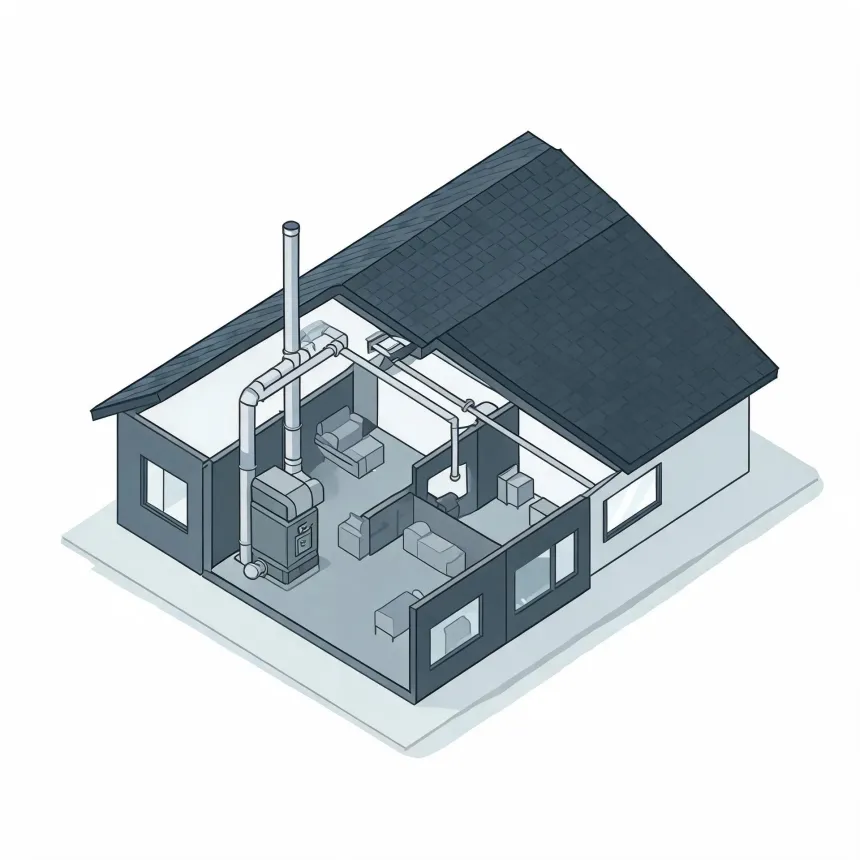
- It depends on how long you plan to stay in the house and what furnace you have now. High-efficiency furnaces vent differently, through PVC pipe rather than a metal flue, so installation can involve more than swapping the unit. Every non-weatherized gas furnace built since November 2015 has to reach at least 80 percent AFUE, so even a standard replacement today is more efficient than an older furnace. A contractor can walk through what a higher-efficiency model would mean for your specific setup.