
Furnace Repair in Staten Island, NY
Furnaces here run from October through April. If yours quits, tell us what it's doing and a licensed contractor who covers Richmond County will get in touch.
Tell us about the job
It takes about a minute.
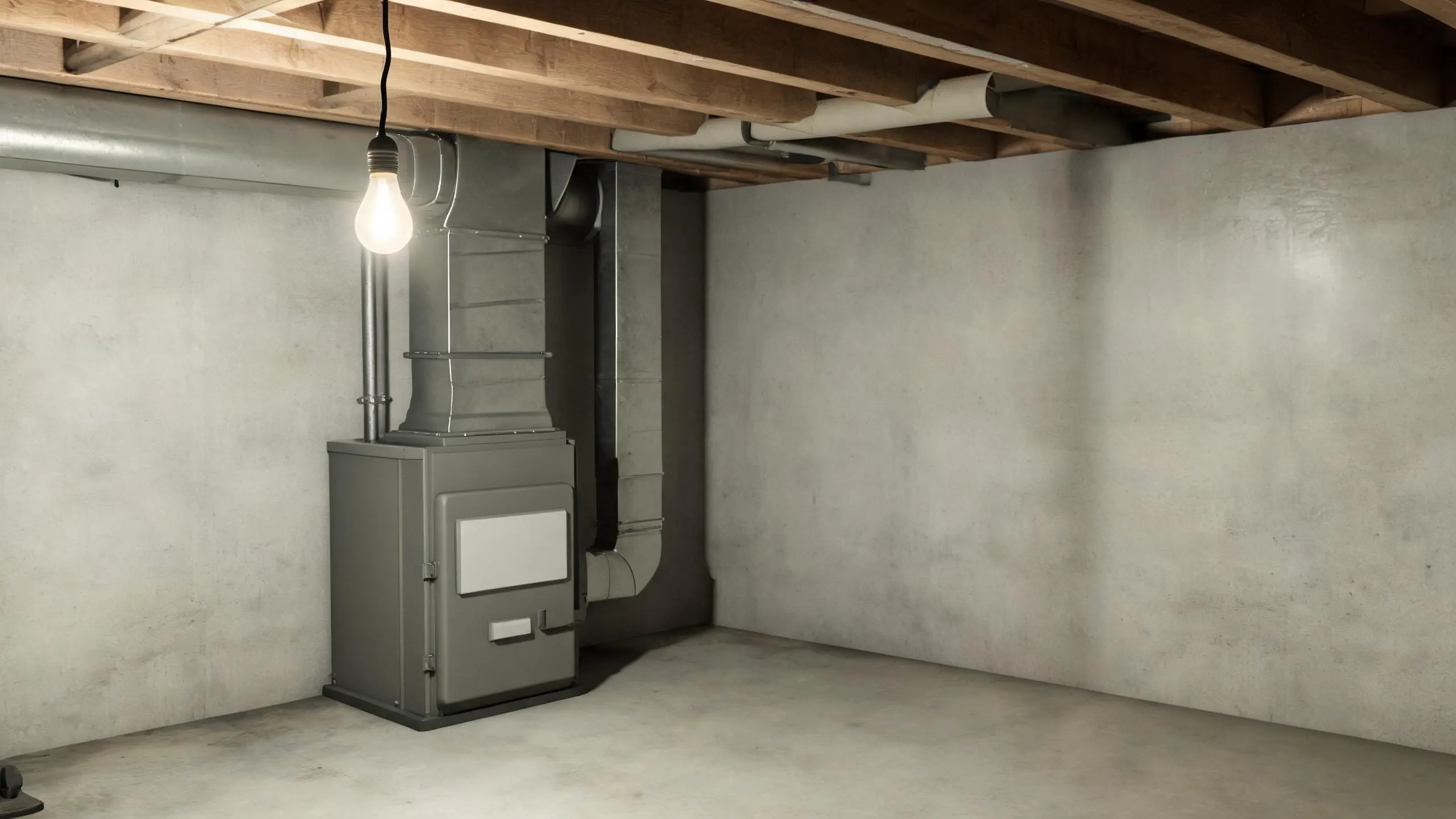
Seven months of heat, put through cold nights
Your furnace works from October through April here, seven months of the year. On winter nights that drop to an average of 28°F, it cycles on and off again and again to hold the house steady. Every one of those starts puts a load on the igniter and the burner assembly.
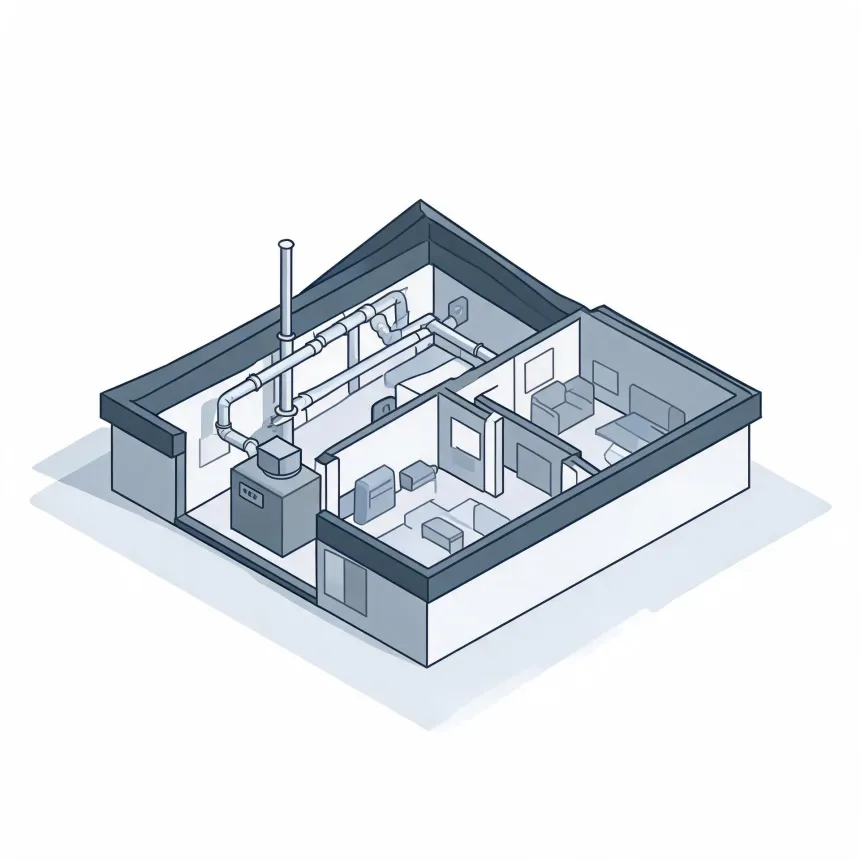
Most homes on Staten Island heat with gas, so when the furnace won't light, there's often no backup in the house to fall back on. Power matters too. Winter storms here have brought damaging wind often enough over the past ten years to knock the power out, and when a furnace loses power, even a working one goes cold until it comes back.
- 7 months
- October through April, your furnace is on duty
- 28°F
- the average winter night it heats against
- 85%
- of homes here heat with gas, so most furnaces here burn gas
- 13 winter storms
- in ten years, the nights a failure hurts most
NOAA nClimDiv, 1991–2020 normals

A new furnace would cut about $120 a year off heating for a typical Richmond County home.
Estimates for a typical Richmond County home, compared with an older unit built to the previous federal minimum, from EIA household energy data, New York fuel prices and NOAA climate normals. Your home will differ.
Repair makes sense when one part has failed and the heat exchanger is sound.
Replacement makes sense when the heat exchanger is cracked or the furnace keeps needing parts.
- Why won't my furnace turn on?
- Start with the thermostat. Check that it's set to heat and the temperature is above room level, and if it runs on batteries, swap them. If that's not it, look at the furnace switch, the one that looks like a light switch near the unit, and make sure it's on, then check the breaker. Many furnaces also won't start if the air filter is badly clogged or if a drain line has backed up, since both trip a safety switch that shuts the whole system down.
- Why is my furnace blowing cold air?
- In most cases the furnace hasn't actually kicked on yet. Air from the vents feels cool for the first minute or so while the burners fire up and the heat exchanger warms, so give it a little time before assuming something's wrong. If cold air keeps coming after that, the igniter or flame sensor may be failing to start a burn cycle, or the thermostat fan setting may be stuck on instead of auto. A contractor can check which one it is.
- Why won't my furnace pilot light stay lit?
- A pilot that won't stay lit is usually a thermocouple problem. That's the small sensor that sits in the pilot flame and tells the gas valve it's safe to keep the gas flowing. Once it wears out or gets coated in soot, it can't hold that signal and the valve shuts the gas off, even though the flame looks fine when you first light it. A draft blowing across the pilot or a partly clogged pilot tube can cause the same thing, so a contractor will check both before replacing anything.