
HVAC Installation in Yonkers, NY
A new system here will heat from October through May and cool from June through August every year. Tell us about the house, and a licensed contractor who covers Westchester County will get in touch.
Tell us about the job
It takes about a minute.
A system that works nearly all year
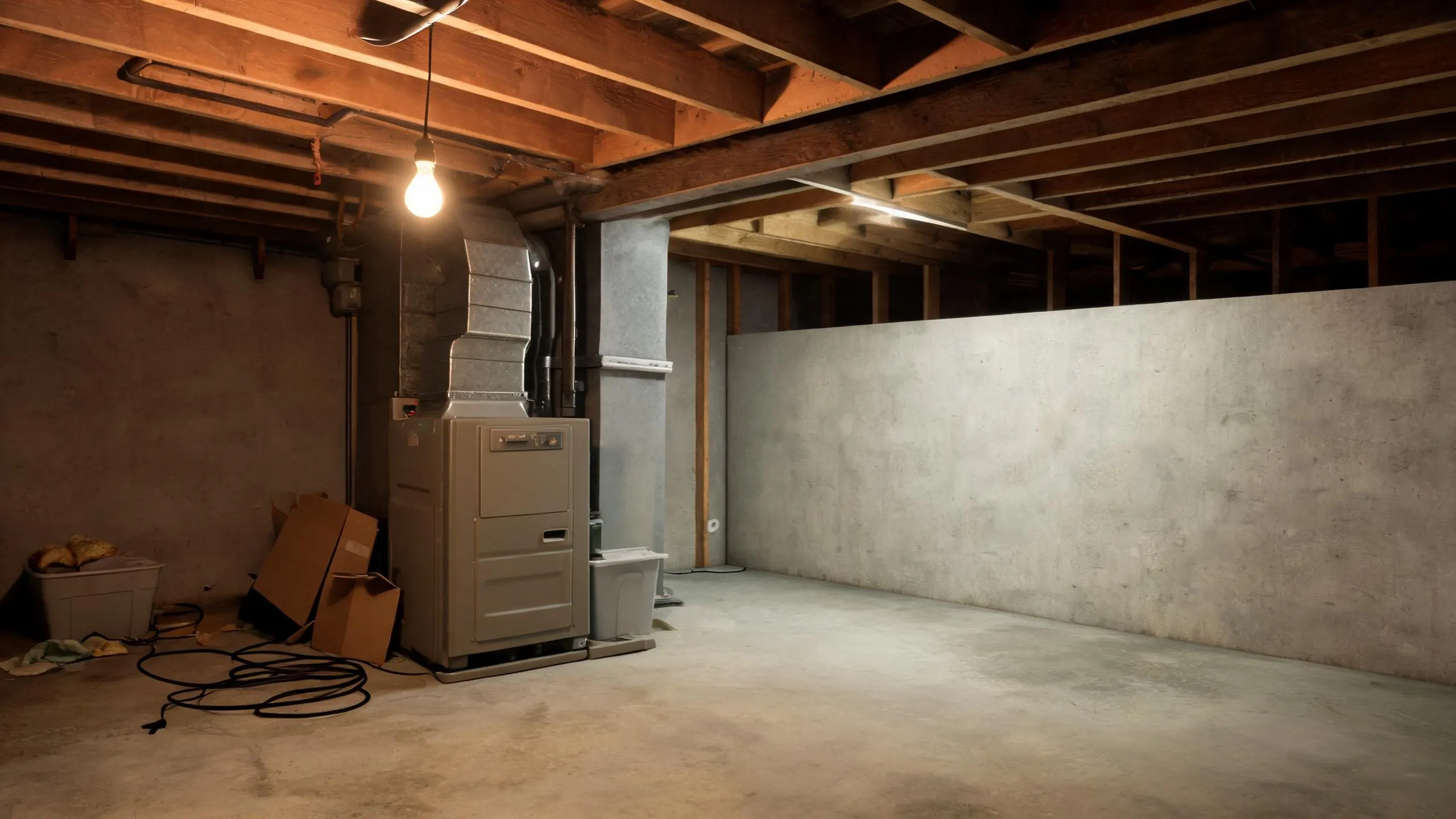
Yonkers homes need heat or cooling 11 months a year. Winter nights average 24°F from December through February, and a new furnace or heat pump has to hold the house steady through that cold from October through May, eight months of the year. Summer only asks three months of it, June through August, with afternoons averaging 82°F, but the same system has to handle both ends.
That long a season means a lot of cycles on the parts that start the system up. It also means sizing matters. A system sized for the cold nights it will actually see, not just the mild days between them, is the one that holds up. Winters here have brought 42 winter storms and 167 damaging wind events over the past ten years, and in 2024, 11 percent of New York households lost power for at least a day. Worth asking a contractor how the system you choose handles that.
- 8 months
- October through May, your system heats
- 3 months
- June through August, it cools
- 24°F
- the average winter night it heats against
- 82°F
- the average summer afternoon it cools against
NOAA nClimDiv, 1991–2020 normals
- When should I replace my HVAC system?
- Once your furnace or air conditioner needs repairs more than once a year, or the unit is old enough that parts are getting hard to find, replacement starts making more sense than another repair. An aging system also runs harder just to keep up, even before it fails outright. With 8 months of heating and 3 months of cooling here, most of the year depends on one system or the other, so a unit on its last legs is worth replacing before it fails on a 24 degree night rather than after.
- Should I replace my furnace and air conditioner at the same time?
- If they're close in age, replacing both at once is usually the better call. A furnace and AC installed together are matched to work as one system, and pairing a new unit with one that's much older often means the older one fails first anyway. It's not required though. If one is much newer than the other, a contractor can replace just the one that's failing and size it to work with what's staying.
- What happens during an HVAC installation?
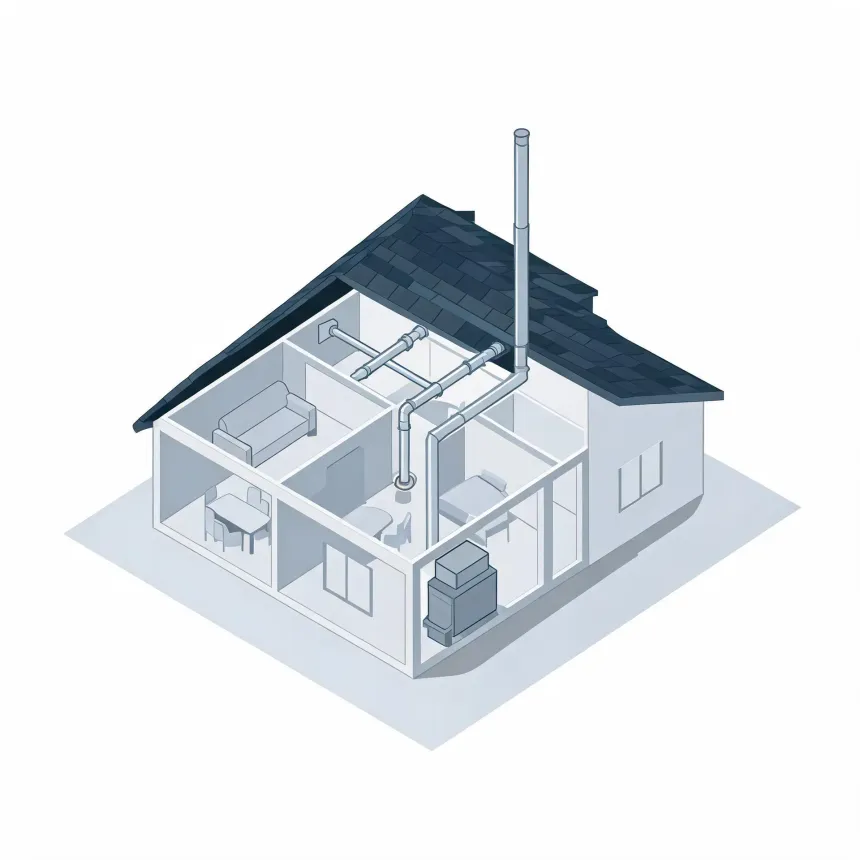
- A contractor first sizes the new equipment to the house, checking the ductwork, insulation, and square footage rather than just matching the old unit's size. The old furnace or air conditioner comes out, and the new one goes in along with any changes needed to the ducts, refrigerant lines, or venting. Once it's connected, the contractor tests it, checks airflow and refrigerant charge, and walks through the thermostat and any new controls before finishing up. The exact steps depend on the equipment and the house, so a contractor can walk through what yours will involve.