
HVAC Repair in Troy, NY
Homes here need heat from October through May and cooling from July through August. If your system quits, tell us what it's doing and a licensed contractor who covers Rensselaer County will get in touch.
Tell us about the job
It takes about a minute.
Ten months of work a year, in weather that swings hard
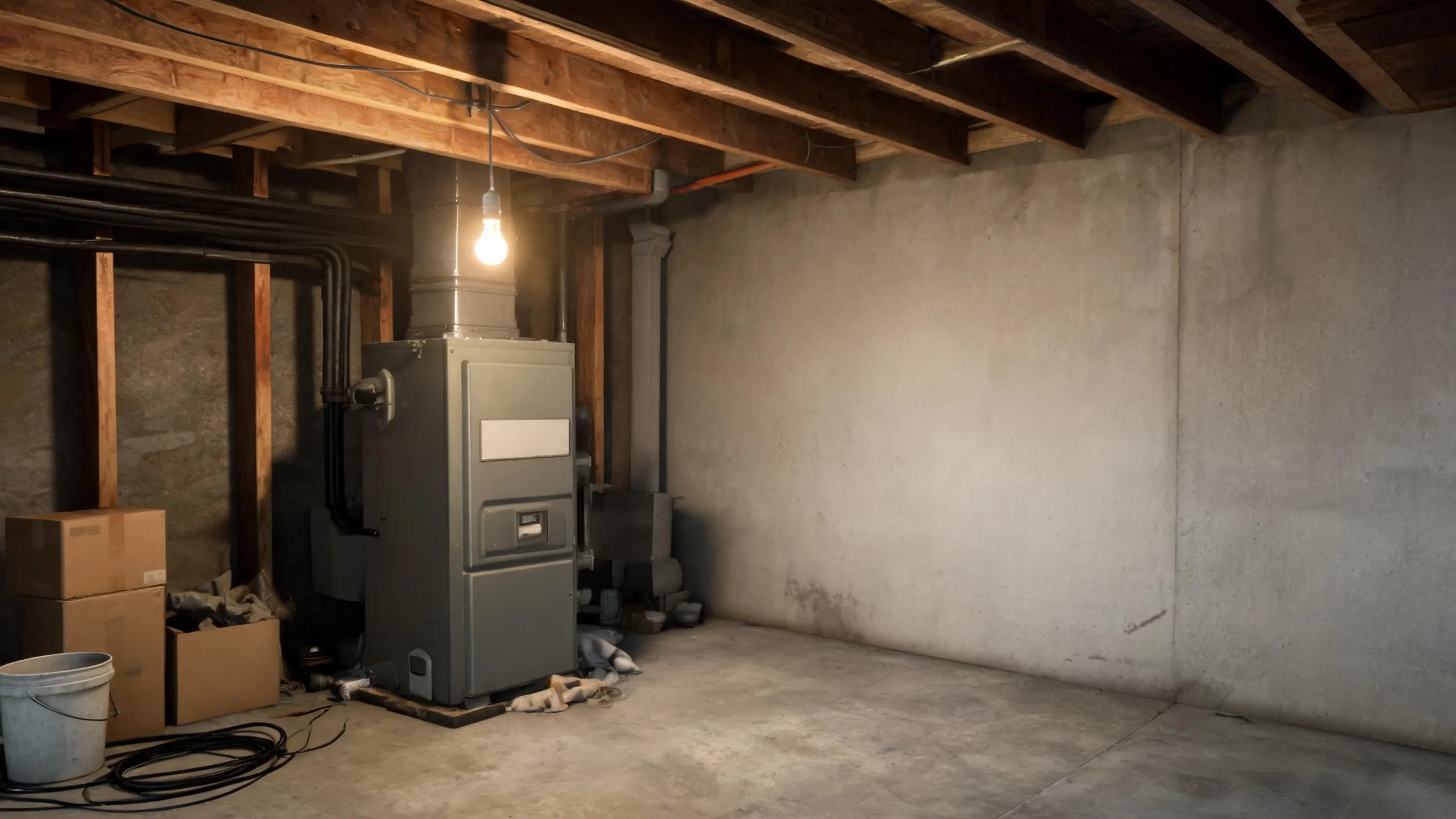
Your furnace is the one doing most of the work here. Winter nights average 17°F from December through February, and the burner has to cycle on and off all night to hold the house steady against that. Almost half of homes in the area heat with gas, and every one of those cold starts puts wear on the igniter and the flame sensor. When one of them finally gives out, the burner won't light at all and the house goes cold fast.
Then summer flips the job around. Afternoons average 79°F in July and August, and the air conditioner has to catch up after sitting idle most of the year. A capacitor or a contactor that was fine in May can fail the first hot week it's asked to work again. Rensselaer County also sees real storms, 38 winter storms and 301 damaging wind events over the last ten years, and a system that loses power or takes a lightning strike on the line often needs a look before it will run right again.
- 8 months
- October through May, your system heats
- 2 months
- July through August, it cools
- 17°F
- the average winter night it heats against
- 79°F
- the average summer afternoon it cools against
NOAA nClimDiv, 1991–2020 normals

A new furnace and air conditioner would cut about $190 a year off heating and cooling for a typical Rensselaer County home.
Estimates for a typical Rensselaer County home, compared with an older unit built to the previous federal minimum, from EIA household energy data, New York fuel prices and NOAA climate normals. Your home will differ.
Repair makes sense when one part has failed.
Replacement makes sense when the furnace's heat exchanger is cracked, the air conditioner's compressor has failed, or repairs keep coming.
- Why is my heat not working?
- Start with the thermostat and the power to the furnace before you assume the worst. Check that the thermostat is set to heat and the temperature is above room temperature, then check the breaker and the furnace switch, which looks like a light switch near the unit. If the furnace has a standing pilot, see if it is still lit. A dirty filter can also block airflow badly enough that the furnace shuts itself off, so pull it out and look at it. If all of that checks out and you still have no heat, especially with lows near 17°F overnight, get a contractor out rather than wait.
- Why is my system running but not cooling the house?
- If the system is running but the air coming out is not cold, the problem is usually airflow or refrigerant, not the thermostat. Check the filter first, since a clogged one starves the coil of air and can freeze it up. Next look at the outdoor unit and clear away anything blocking it, leaves, mulch, a fence panel, so it can dump heat outside. If the filter is clean and the outdoor unit is clear and you still have warm air on an afternoon near 79°F, the refrigerant charge or a coil problem is a job for a contractor.
- What can I check before calling for HVAC repair?
- Check the thermostat settings, the breaker for the system, and the filter, in that order. A thermostat set wrong or dead batteries account for a lot of no-heat and no-cool calls. After that, look at the vents in each room and make sure furniture or rugs are not blocking them, since blocked vents can mimic a bigger problem. Write down what you find, what is set where, what looks clean or dirty, so the contractor can start from there instead of repeating your steps.