
HVAC Installation in Manhattan, NY
A new system here will heat from October through April and cool from June through September every year. Tell us about the house, and a licensed contractor who covers New York County will get in touch.
Tell us about the job
It takes about a minute.
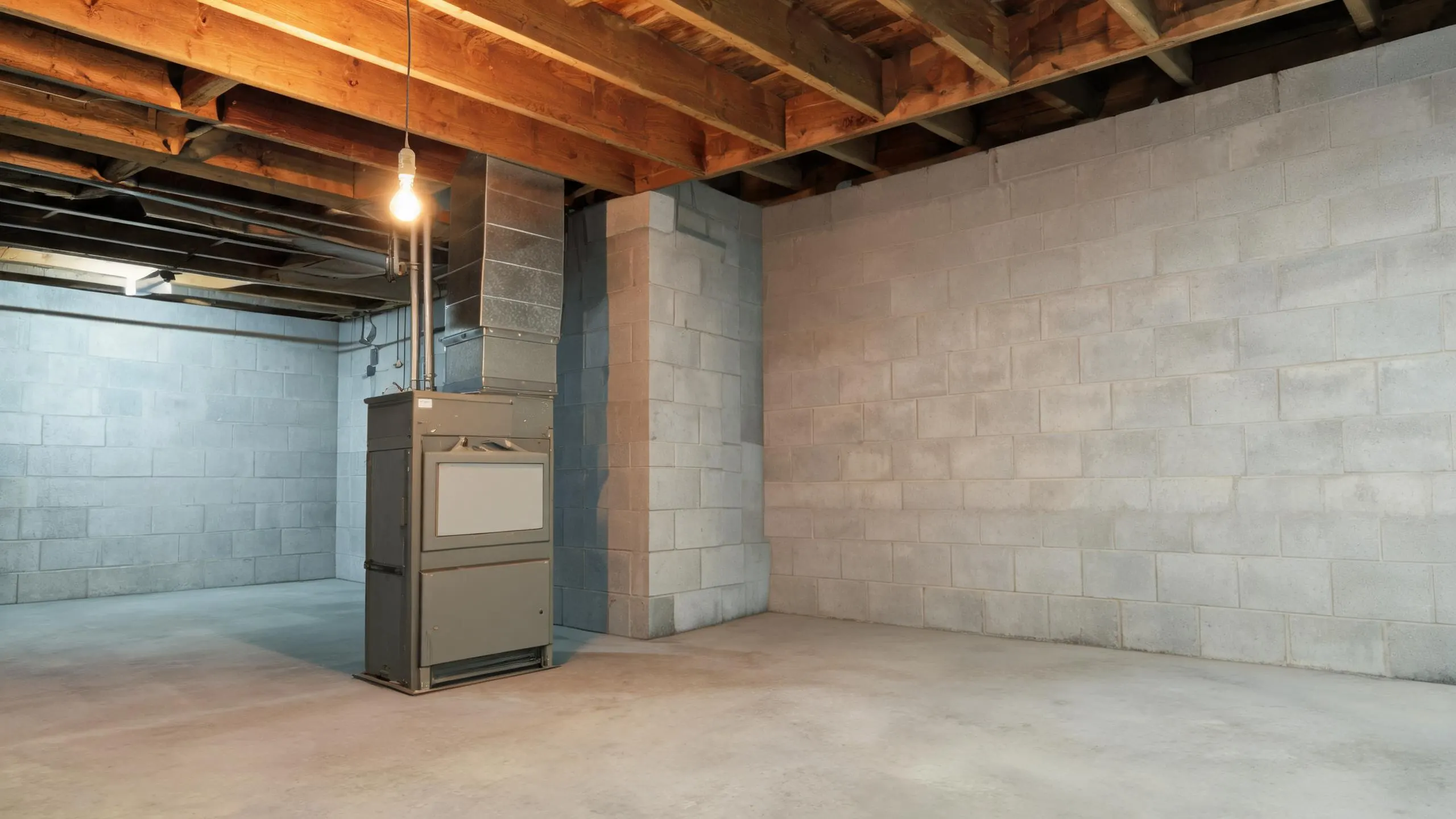
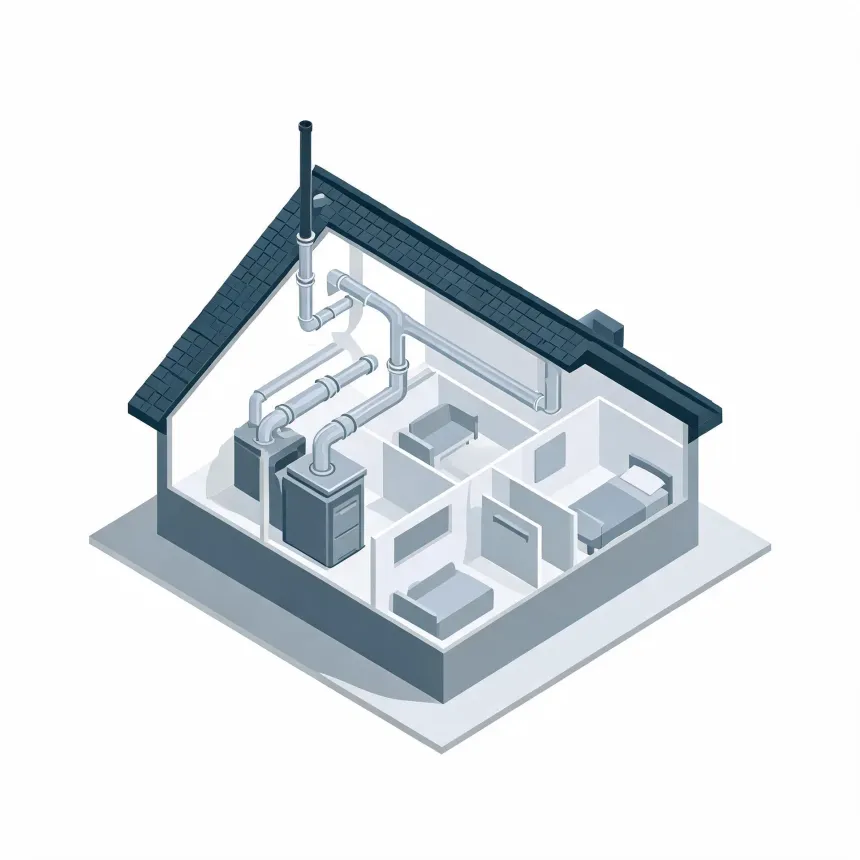
A new system here has eleven months of work ahead of it
Winter nights in Manhattan average 28°F from December through February, and homes need heat from October through April, seven months of the year. Summer afternoons average 84°F, with cooling needed June through September. Between the two, a heating and cooling system here runs eleven months out of the year.
That kind of run time calls for equipment sized and installed to handle both jobs, not just the cold months. Almost half of homes in the city heat with gas, so a lot of the equipment going in now is replacing a furnace that ran on it. Storms are part of the picture too. New York saw 14 winter storms and 32 damaging wind events over the last ten years, and 11% of households in the state went at least a day without power in 2024. A new install is worth planning with that in mind.
- 7 months
- October through April, your system heats
- 4 months
- June through September, it cools
- 28°F
- the average winter night it heats against
- 84°F
- the average summer afternoon it cools against
NOAA nClimDiv, 1991–2020 normals
- When should I replace my HVAC system?
- Replace it when repairs get frequent, the unit is old, or it can't keep up on the coldest or hottest days anymore. Homes here need heat or cooling 11 months of the year, so a struggling system has almost no season to rest and recover. If a contractor has been out more than once this year for the same unit, that's a sign to start planning a replacement instead of another repair. A contractor can look at the age and condition of your system and tell you where it stands.
- Should I replace my furnace and air conditioner at the same time?
- If they're close in age, it's usually worth doing both together. A furnace and air conditioner installed at the same time were matched to work as a pair, and replacing one alone can leave the other running against equipment it wasn't sized for. That matters here since homes run heat from October through April and cooling from June through September, so both sides of the system carry real work almost all year. A contractor can look at the age and condition of each unit and tell you whether replacing them together makes sense for your house.
- What happens during an HVAC installation?
- A contractor removes the old furnace or air conditioner, sets the new equipment in place, and connects it to your ductwork, gas line or refrigerant lines, and electrical. They test the system to confirm it's heating or cooling correctly and check that airflow through the ducts is right for the new unit. If your ductwork needs any changes to work with the new equipment, that gets handled during the same visit. Once everything runs and the settings are correct, the contractor walks you through the thermostat and any startup steps.