
Dryer Vent Cleaning in Queens, NY
Tell us about your home, and a licensed contractor who covers Queens County will get in touch.
Tell us about the job
It takes about a minute.
Step 1 of 3: Equipment

Cold vents make lint stick
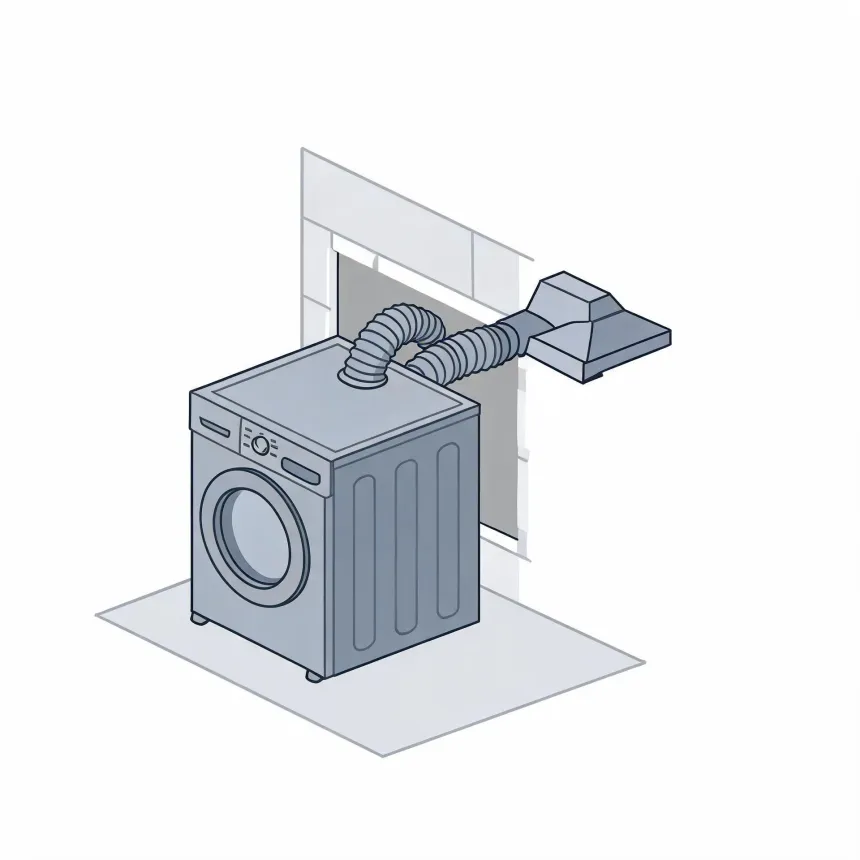
Your dryer pushes out warm, damp air every load. From October through April, that air is moving through a vent that sits in a cold wall or a cold attic space, with winter nights here averaging 28°F. The warm air cools fast against those cold walls, and the moisture in it turns to dampness on the inside of the vent. Lint doesn't just blow through and out anymore. It sticks.
Once lint builds up on those damp walls, the vent narrows. Air moves slower, so it stays wet longer, so more lint sticks. A clean vent lets exhaust out fast enough that this cycle doesn't get started.
- 28°F
- the average winter night, and cold vents catch damp lint
- 7 months
- October through April, the vent stays cold
Jan
Feb
Mar
Apr
May
Jun
Jul
Aug
Sep
Oct
Nov
Dec
NOAA nClimDiv, 1991–2020 normals
- How often should a dryer vent be cleaned?
- Once a year is the standard advice, and there's no reason to go longer between cleanings. If clothes are taking longer to dry than they used to, that's a sign to move the cleaning up rather than wait for the yearly mark. A dryer working harder to push air through a clogged vent also runs hotter, which wears on it over time.
- Can I clean my dryer vent myself?
- You can clean the first few feet near the dryer yourself, but the full duct run is harder to reach and easy to damage. A vacuum with a hose attachment and a basic brush kit will pull lint out close to the connection. The section that runs through the wall to the vent hood usually needs a longer rod system or a contractor's equipment to clear all the way through.
- What are the signs of a clogged dryer vent?
- Clothes that stay damp after a full cycle, a dryer that runs hotter than usual, and a burning smell are the main signs. The vent hood outside should flap open when the dryer runs. If you check it and the flap barely moves or lint is packed around it, the duct is restricted and needs to be cleared.