
HVAC Installation in Rochester, NY
A new system here will heat from October through May and cool from July through August every year. Tell us about the house, and a licensed contractor who covers Monroe County will get in touch.
Tell us about the job
It takes about a minute.
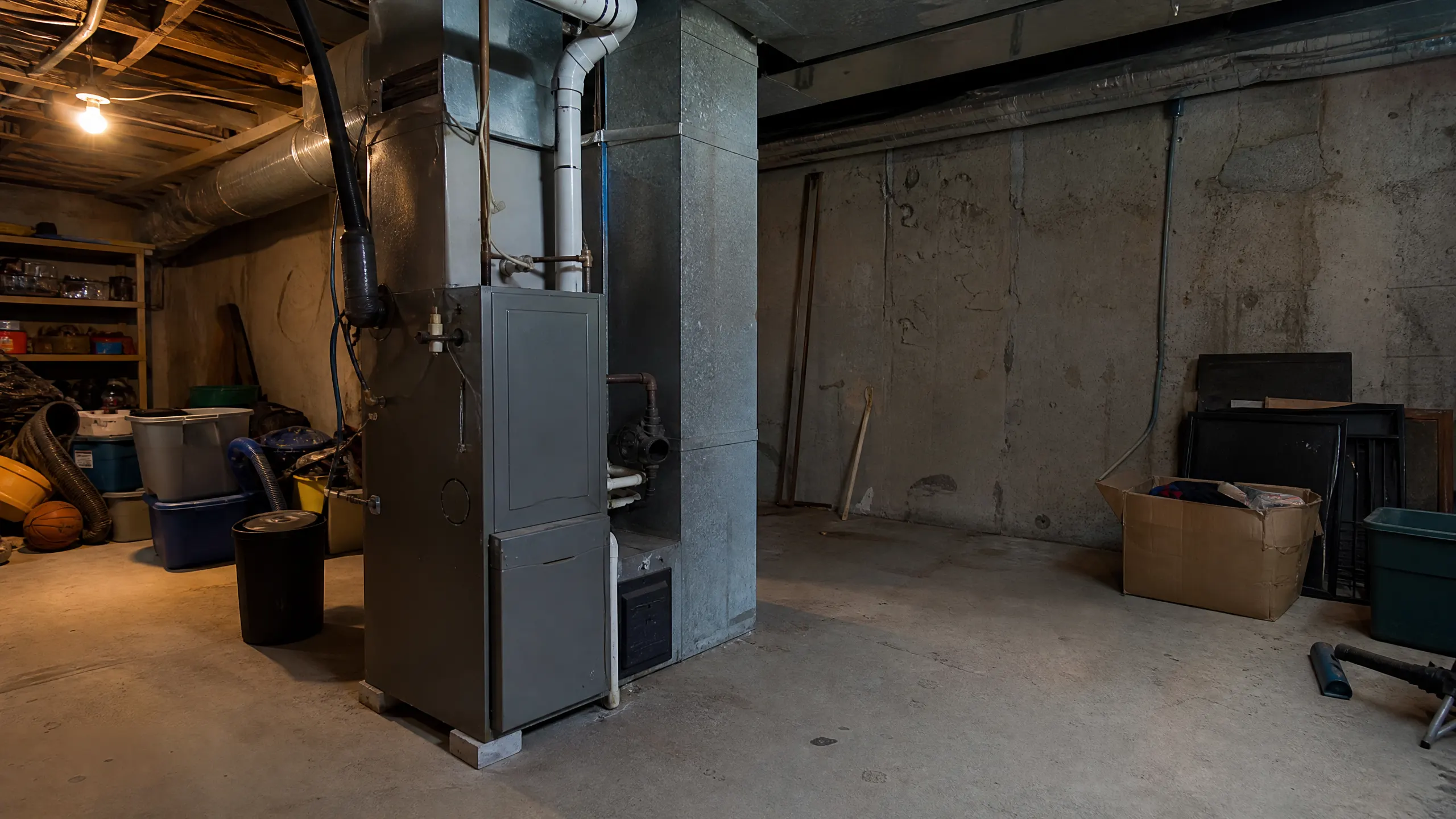
Rochester asks a new system to work most of the year
Winter nights here average 20°F from December through February, and homes need heat from October through May. That's 8 months of the year your furnace has to work, so whatever you install has to hold up to a long, cold heating season, not just a few hard weeks.
Summer only asks for cooling in July and August, when afternoons average 79°F. That's a short season next to the winter one, but the system still has to handle both, and a new one has to meet the federal minimum efficiency for both heating and cooling. Monroe County has seen 18 winter storms and 154 damaging wind events over the past ten years, and statewide, 11% of households lost power for at least a day in 2024. A new system installed now should be one that comes back on by itself when the power does.
- 8 months
- October through May, your system heats
- 2 months
- July through August, it cools
- 20°F
- the average winter night it heats against
- 79°F
- the average summer afternoon it cools against
NOAA nClimDiv, 1991–2020 normals
- When should I replace my HVAC system?
- Once your furnace or air conditioner is old enough that repairs are getting more frequent, replacement is usually the better call. Here, homes need heat from October through May and cooling in July and August, so the system is working most of the year and a breakdown means dealing with it fast. If it's limping through repairs rather than running clean, get it looked at before the next heating or cooling season starts rather than after it fails. A contractor can tell you whether the unit you have is worth repairing again or not.
- Should I replace my furnace and air conditioner at the same time?
- If both are old, yes, it makes sense to do them together. A furnace and air conditioner installed at the same time are matched to work with each other, and a contractor only has to open up your system once instead of twice. Homes here need heat eight months a year and cooling only two, so the furnace does most of the work and its condition should carry the most weight in the decision. If your air conditioner is still young, replacing only the furnace is reasonable too. A contractor can look at both and tell you what makes sense for your house.
- What happens during an HVAC installation?
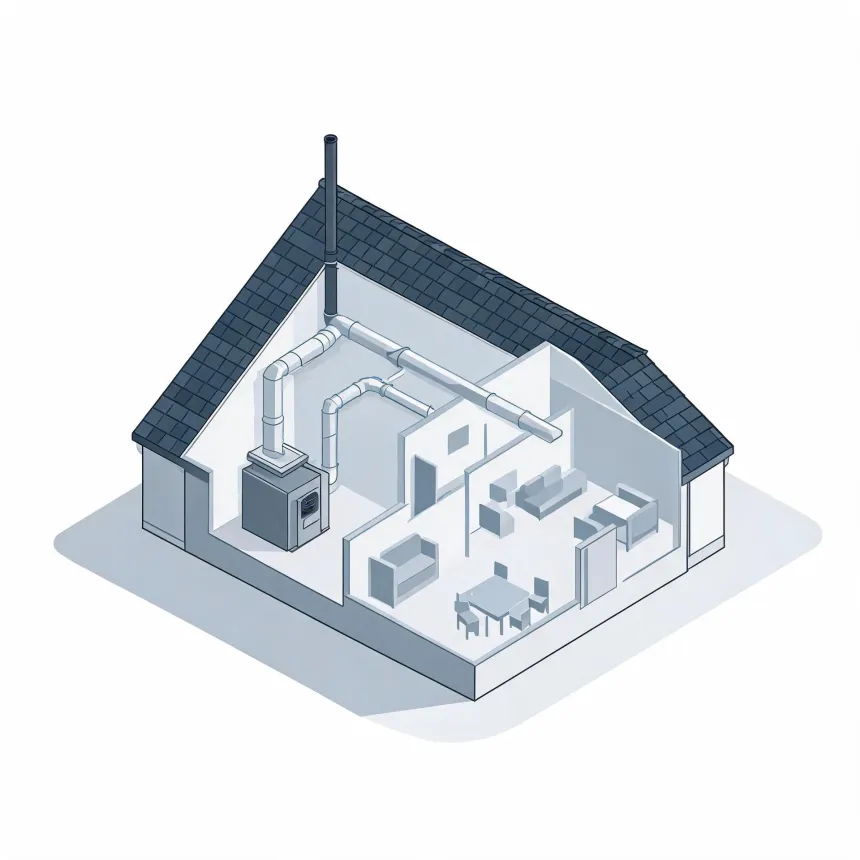
- A contractor removes the old equipment first, then sets the new furnace, air conditioner, or both in place and connects them to your ductwork, gas line or electrical, and the vent or flue. After that they wire the thermostat, check the refrigerant charge on the air conditioner side, and run the system through a full cycle to see that it heats and cools the way it should. On a furnace they check the burners and the venting since that's what keeps carbon monoxide out of the house. The job is planned around getting your system running correctly before they leave, not just hooked up.