
HVAC Installation in Syracuse, NY
A new system here will heat from October through May and cool from July through August every year. Tell us about the house, and a licensed contractor who covers Onondaga County will get in touch.
Tell us about the job
It takes about a minute.
What a system in Onondaga County has to handle
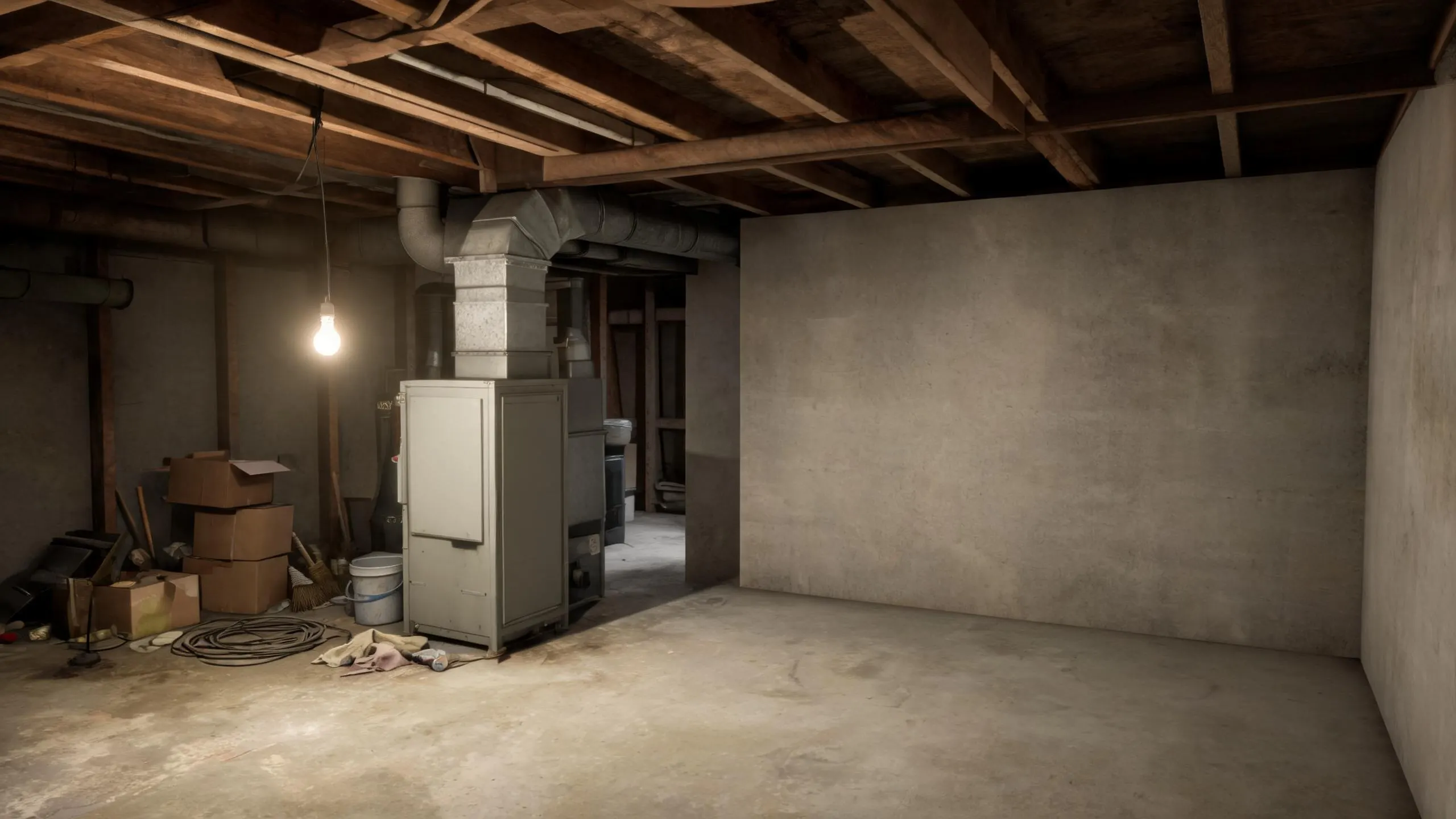
Winter nights here average 18°F from December through February, and your heating has to run from October through May. That's 8 months a year the furnace or heat pump is the thing standing between your family and the cold. Summer only asks for two months of cooling, July and August, with afternoons around 79°F, but a new system still has to handle both jobs well.
Most homes in this area heat with gas, and whatever you install has to meet the federal efficiency minimum. Winters here also bring storms. Onondaga County has seen 22 winter storms and 186 damaging wind events over the past ten years, and across New York, 11% of households lost power for at least 24 hours in 2024. A new system is worth planning around that, not just around the cold.
- 8 months
- October through May, your system heats
- 2 months
- July through August, it cools
- 18°F
- the average winter night it heats against
- 79°F
- the average summer afternoon it cools against
NOAA nClimDiv, 1991–2020 normals
- When should I replace my HVAC system?
- Once your furnace or air conditioner is old enough that repairs are getting frequent, replacement usually makes more sense than another repair. A system that struggles to keep up, runs constantly, or needs a new part almost every season is telling you something. Age matters too, and a contractor can tell you where your specific equipment stands. Homes here need heat from October through May, so a furnace that's failing has to work hard most of the year.
- Should I replace my furnace and air conditioner at the same time?
- If both are near the end of their life, replacing them together often makes sense because the furnace and air conditioner are matched to work as a system. A new furnace paired with an old air conditioner can mean the blower and coil aren't sized for each other, which shows up as uneven comfort or extra wear on the newer unit. If one is several years newer than the other, a contractor can size a replacement to work with what's staying. This is worth discussing with whoever is doing the installation rather than deciding on your own.
- What happens during an HVAC installation?
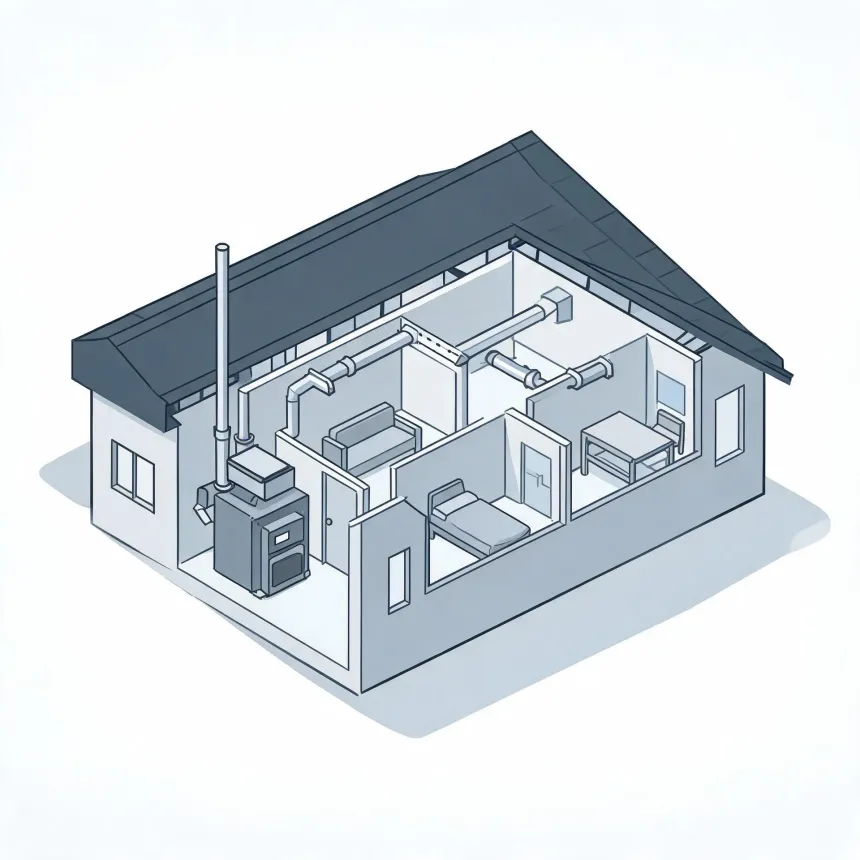
- A contractor removes the old furnace or air conditioner, sets the new equipment in place, and connects it to your ductwork, gas line or electrical circuit, and refrigerant lines. New wiring or a thermostat connection gets run if needed, and the system is tested through a full cycle to check airflow, temperature rise, and refrigerant charge. The exact steps depend on what you're replacing and whether your ductwork or electrical setup needs changes to match the new equipment. A contractor can walk you through what your specific installation will involve.