
Furnace Installation in Geneva, NY
A new furnace here will run from October through May every year. Tell us about the house, and a licensed contractor who covers Ontario County will get in touch.
Tell us about the job
It takes about a minute.
What Geneva winters ask of a new furnace
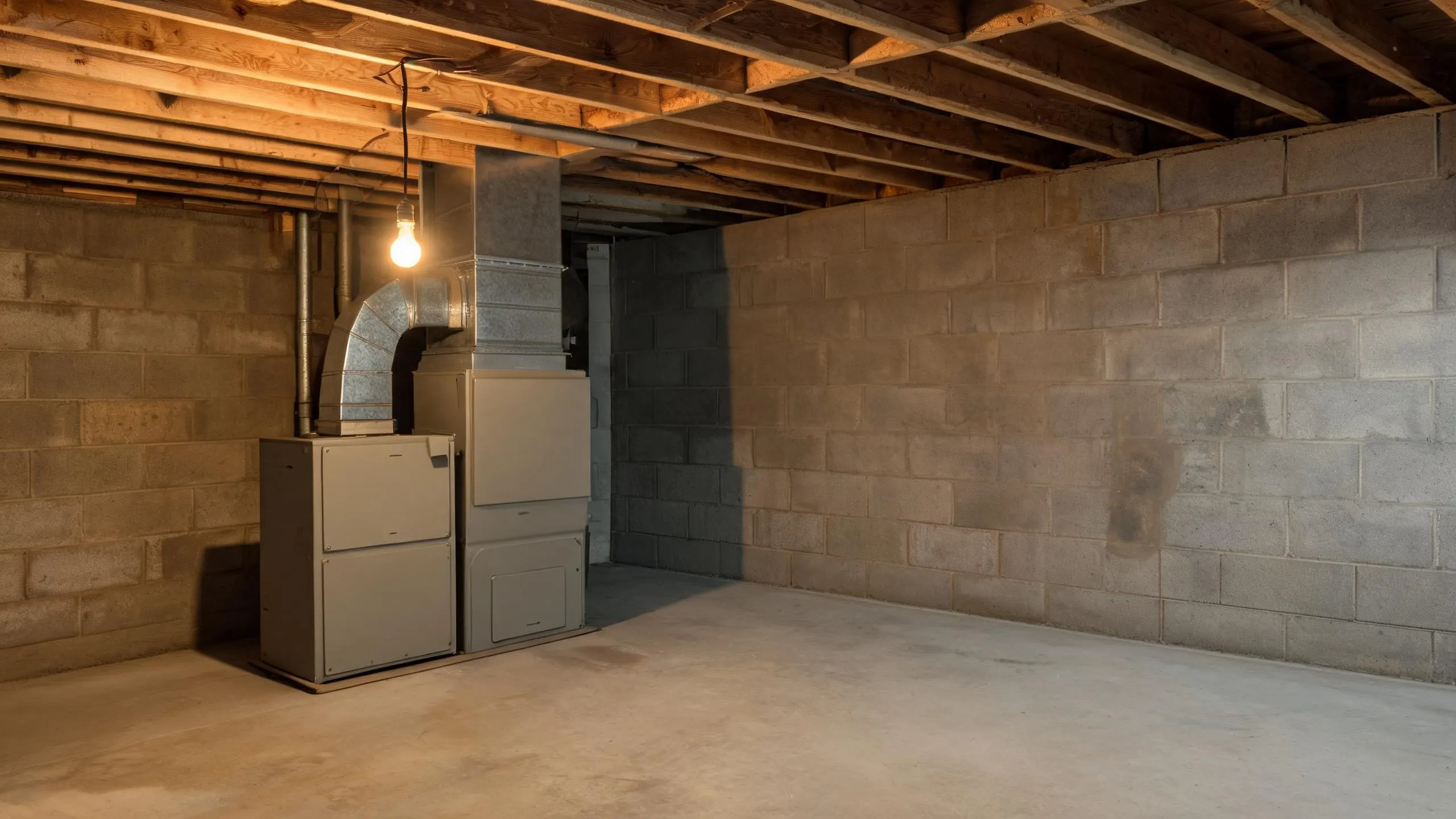
Geneva needs heat eight months of the year, October through May. Winter nights average 19°F, and a furnace put in now has to carry that load night after night for most of the year, not just through a short cold snap.
Most homes here heat with gas, and any non-weatherized gas furnace built since November 2015 has to reach at least 80 percent AFUE by federal rule. That is the floor a new installation starts from. The area has also logged 14 winter storms and 195 damaging wind events over the past ten years, and a share of New York households lose power for a full day or more in a given year. A furnace that starts back up on its own once power returns matters here.
- 8 months
- October through May, your furnace is on duty
- 19°F
- the average winter night it heats against
- 59%
- of homes here heat with gas, so most furnaces here burn gas
- 80% AFUE
- the federal minimum any new unit must meet
NOAA nClimDiv, 1991–2020 normals
A high-efficiency gas furnace would save about $150 a year to run in Ontario County compared with a gas furnace.
Estimates for a typical Ontario County home, from EIA household energy data, New York fuel prices and NOAA climate normals. Your home will differ.
- What size furnace does my house need?
- The right size depends on your square footage, your insulation, your ceiling height, and how many windows you have, so it takes a load calculation to get a real answer. A contractor will measure the house room by room rather than go by square footage alone. Guessing high seems safe but it isn't. A furnace that's too big cycles on and off fast, and that short cycling wears out parts sooner and leaves rooms uneven. With winter nights here averaging 19°F, you want the sizing right rather than oversized.
- How do I know it's time to replace my furnace?
- Look at the age first. A furnace that's old enough to be near the end of its life is worth measuring against a repair, especially if that repair isn't the first one this winter. Watch for signs alongside the age. Rooms that won't hold an even temperature, a burner flame that's yellow instead of blue, or a furnace that keeps needing attention are all worth paying attention to. Homes here need heat from October through May, eight months of the year, so a furnace that's struggling now will keep struggling. If yours is old and showing any of these signs, get a contractor to look at it before you're relying on it on a 19°F night.
- Is a high-efficiency furnace worth it?
- It depends on how many months you're running it and what you're replacing. Homes here need heat eight months a year, October through May, so a furnace here runs a lot more than one in a milder climate, and that changes the math. Every non-weatherized gas furnace made since November 2015 has to hit at least 80.0 percent AFUE, so even a standard new furnace is already fairly efficient. A high-efficiency model pushes that number higher still, but whether the difference is worth it for your house is something a contractor can price out against what you're replacing.