New York HVAC Help

Birds nesting in a dryer vent in Lindenhurst, NY

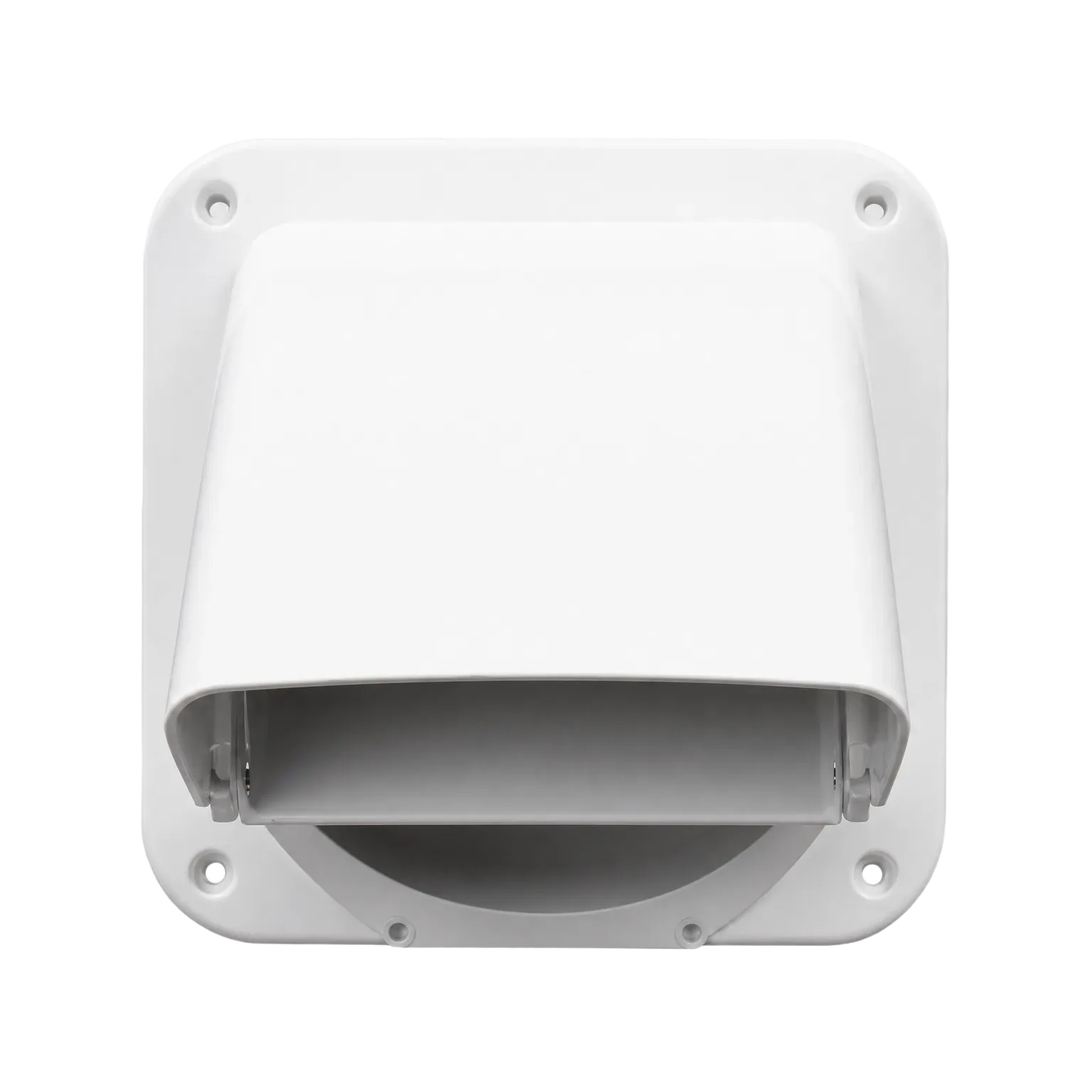
A white plastic wall vent with a square mounting flange, hooded cover, and round duct collar visible beneath, shown against a plain light gray background.
Hand it off

Why are birds nesting in my dryer vent?

You went outside to clean up around the dryer vent, or maybe you heard chirping behind the wall, and now there's a telltale bundle of twigs poking out of the hood. It's an odd thing to find attached to a dryer. You want to know why a bird would pick that spot, and whether it means something is wrong with your vent setup.

Birds nest in dryer vents because the flap stays open or stuck

A dryer vent hood has a flap that's supposed to swing open only when the dryer is running and close the rest of the time. If that flap is bent, stuck with lint, or missing altogether, the vent looks to a bird like a ready-made cavity, warm, sheltered from rain, and off the ground. Sparrows and starlings build there through spring into early summer, and once a nest is in place it blocks the flap from closing and traps lint behind it. That combination is why a vent with a bird problem often runs hotter and takes longer to dry a load, and why the nesting material itself is a fire risk sitting right where hot air exits the dryer.

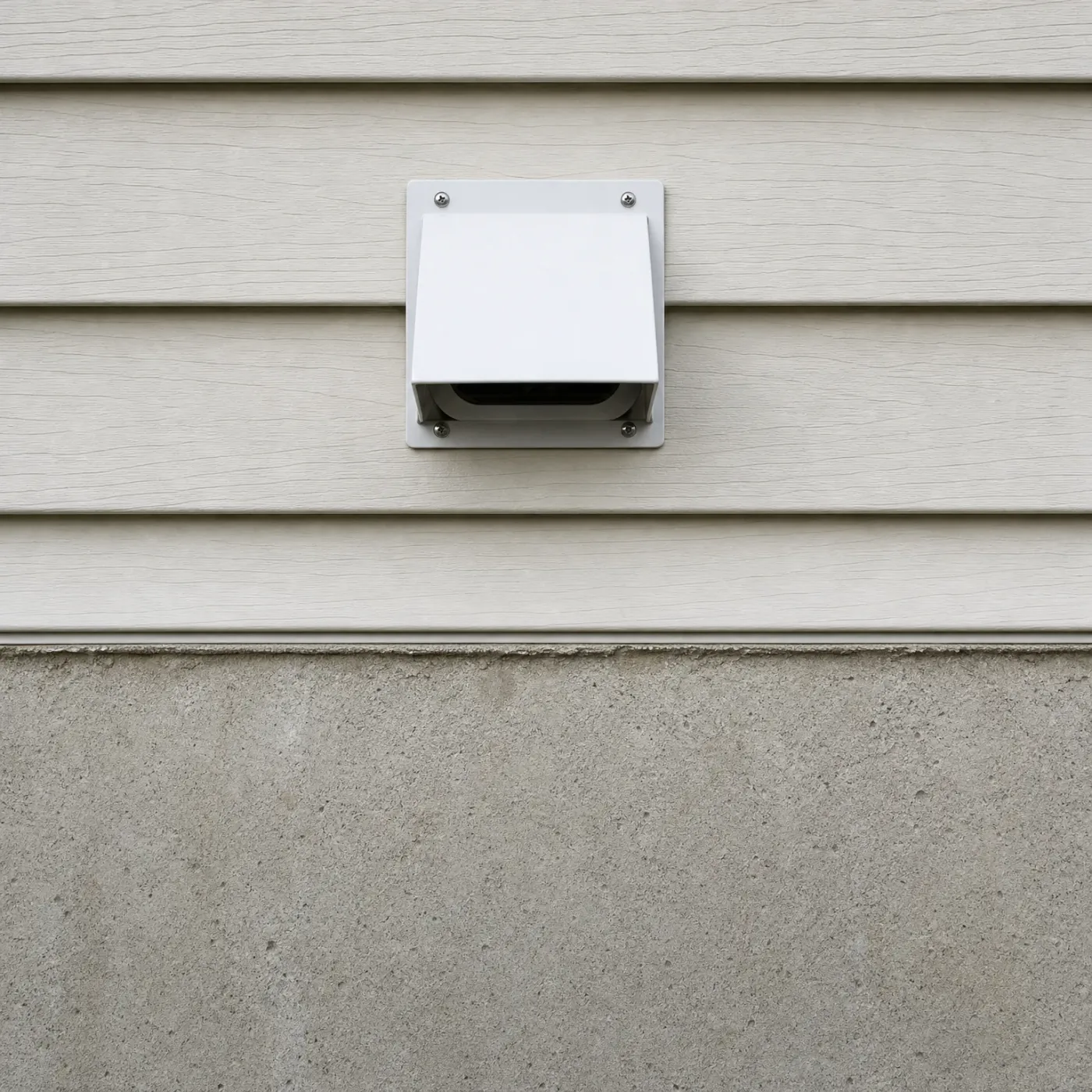
A white hooded dryer vent with a square mounting plate fastened to beige horizontal lap siding above a concrete foundation wall.

Clear and open

The flap swings open when the dryer runs and falls shut when it stops. Air and lint blow straight out past the hood. Nothing is stacked against the louvers, and nothing is sitting in the duct waiting to catch the next load of hot, damp air.
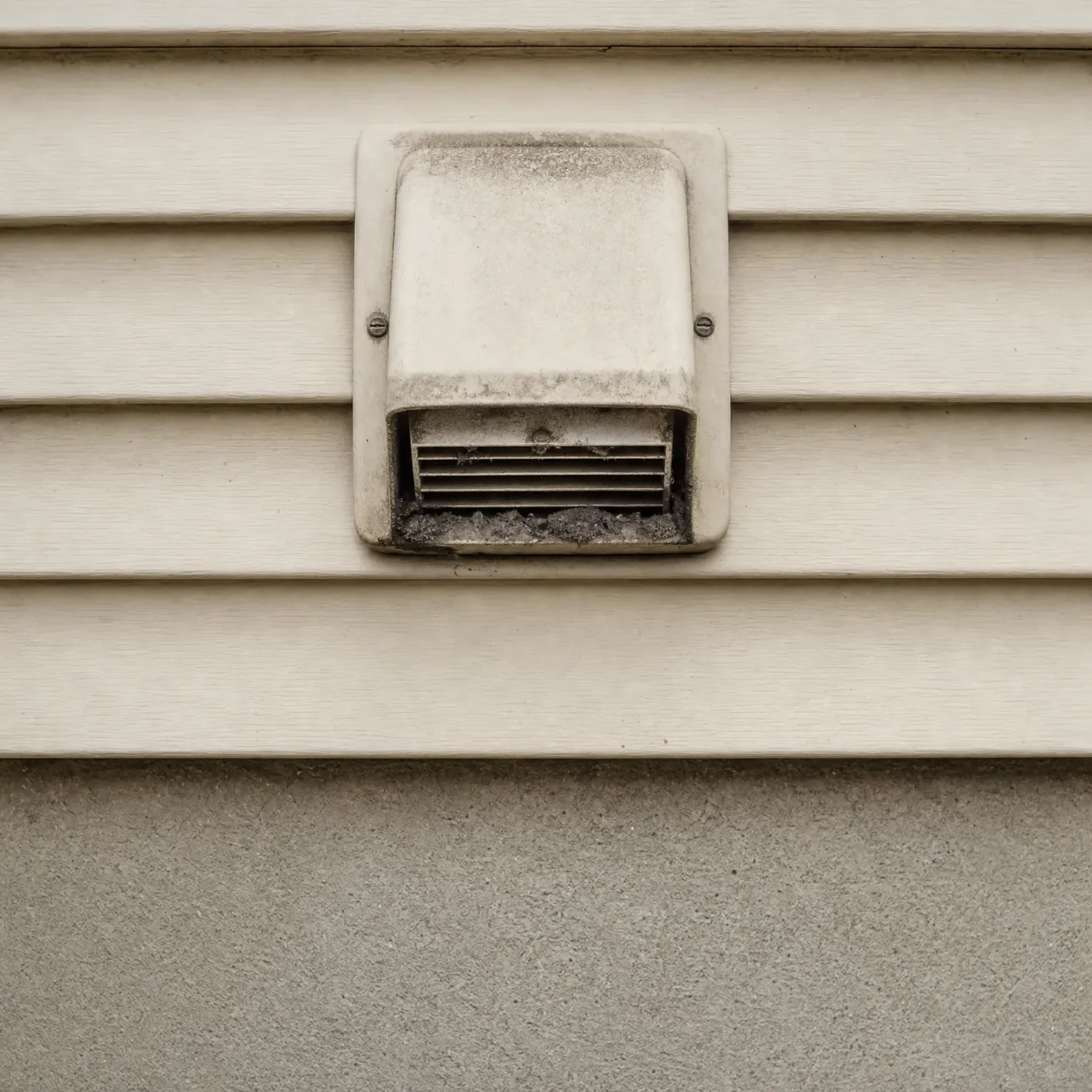

A dusty plastic louvered dryer vent hood screwed into beige horizontal vinyl siding above a gray stucco foundation wall, with lint buildup around the slats.

Blocked by nesting

Twigs and lint pack the opening until the flap can't close all the way. Lint builds up around the louvers instead of blowing clear. A dryer pushing against that kind of blockage takes longer to dry a load and runs hotter doing it.

Why does a bird even want to nest in your vent?

  • 2.93 people per household on average

    Suffolk County households run 2.93 people on average, which means a dryer working through loads most days of the week, and warm air pushing out of that vent often enough to make it worth a bird's while.

  • Half the homes here were built by 1970

    Half the homes in Suffolk County were built in 1970 or earlier. A hood that old has likely lost its flap or its screen somewhere along the way, which is exactly what lets a bird in.

  • Power here costs 26.13 cents per kilowatt-hour

    Electricity here runs 26.13 cents per kilowatt-hour, well above the national average. A blocked vent makes an electric dryer run longer to dry the same load, and that shows up on the bill fast.

ACS 2020-2024 · EIA-861 2025

A nest in the vent changes how your dryer runs before you ever see a feather. Twigs and grass pack the duct tight, so the hot, damp air from each load has nowhere to go but back toward the dryer. You'll likely notice clothes coming out warm but still damp, needing a second or third cycle to finish. Run it enough times like that and the heating element works harder than it should, which on Long Island power rates is not cheap. The bigger risk is the lint that nesting material traps behind it. Lint is what actually catches fire in a blocked vent, and a nest gives it a wall to collect against instead of blowing outside with the exhaust. If the nest is active, you may also hear the chirping through the wall near the dryer, especially in the quiet right after a cycle ends. None of this requires a new dryer or any wiring work. It requires the vent cleared, the nest removed, and the hood checked so the duct can breathe again.

A woman in a cream knit sweater reclines on a gray sofa with her eyes closed and a slight smile, covered by a fleece blanket with a closed book on her lap, a lit table lamp and potted plants behind her.
A smiling man with curly graying hair and a dark knit sweater sits at a candlelit dinner table with a glass of red wine, a water glass and a bowl of salad in the foreground, in a dimly lit room with a lamp, framed picture and window behind him.

Wait Out the Nest or Clear It Now

Leave it alone

  • If there's active chirping, the nest likely has eggs or chicks in it, and most native birds are protected, so pulling it out now may not be legal until they've fledged.
  • Running the dryer with a blocked vent pushes hot, damp air back into the duct instead of outside, and that moisture has nowhere to go but your laundry room or the wall cavity.
  • A packed vent makes the dryer work harder to push air out, and that extra strain on the motor and heating element shows up as longer dry times and higher power bills.
  • Lint mixed with nesting material is dry and sits right at the heat source, which is the condition behind most dryer vent fires.
  • Waiting it out without checking just means the blockage sits there through more loads, since the nest doesn't clear itself once the birds leave.

Have it cleared now

  • A contractor who works dryer vents in Suffolk County checks first whether the nest is active before touching it, so the job stays on the right side of wildlife rules.
  • Clearing the duct means pulling nesting material out in full rather than knocking pieces loose that can still catch lint further down the line.
  • Once the vent is open again, hot air and lint move straight out through the hood the way the system was built to work.
  • A local contractor who sees this every season knows how to get the duct clear without damaging the hood or the flap, so the vent still closes properly afterward.
  • Getting it done means one less thing sitting on your evening list, instead of checking the vent yourself between loads.
A smiling bearded man in a dark green henley shirt sits on a blue-gray couch in a living room, with a bowl of popcorn in the foreground and a houseplant and window behind him.
A smiling man in a dark sweatshirt reclines on a gray sofa in a living room, with a wooden bowl of popcorn on a table in the foreground and a dining area, shelving, and pendant lamp behind him.
A smiling man in a navy long-sleeve shirt reclines on a sofa in a living room, with a bowl of popcorn on a wooden coffee table and framed pictures on the wall behind him.
A smiling man in a dark green long-sleeved shirt sits on a gray sofa in a living room, with a bowl of popcorn in the foreground and windows and a potted plant behind him.

2.93 people per household on average

A household that size means laundry most days, so the vent is pushing out warm air often, not once in a while. A bird checking hoods for a place to nest finds yours warm more often than not.

ACS 2020-2024

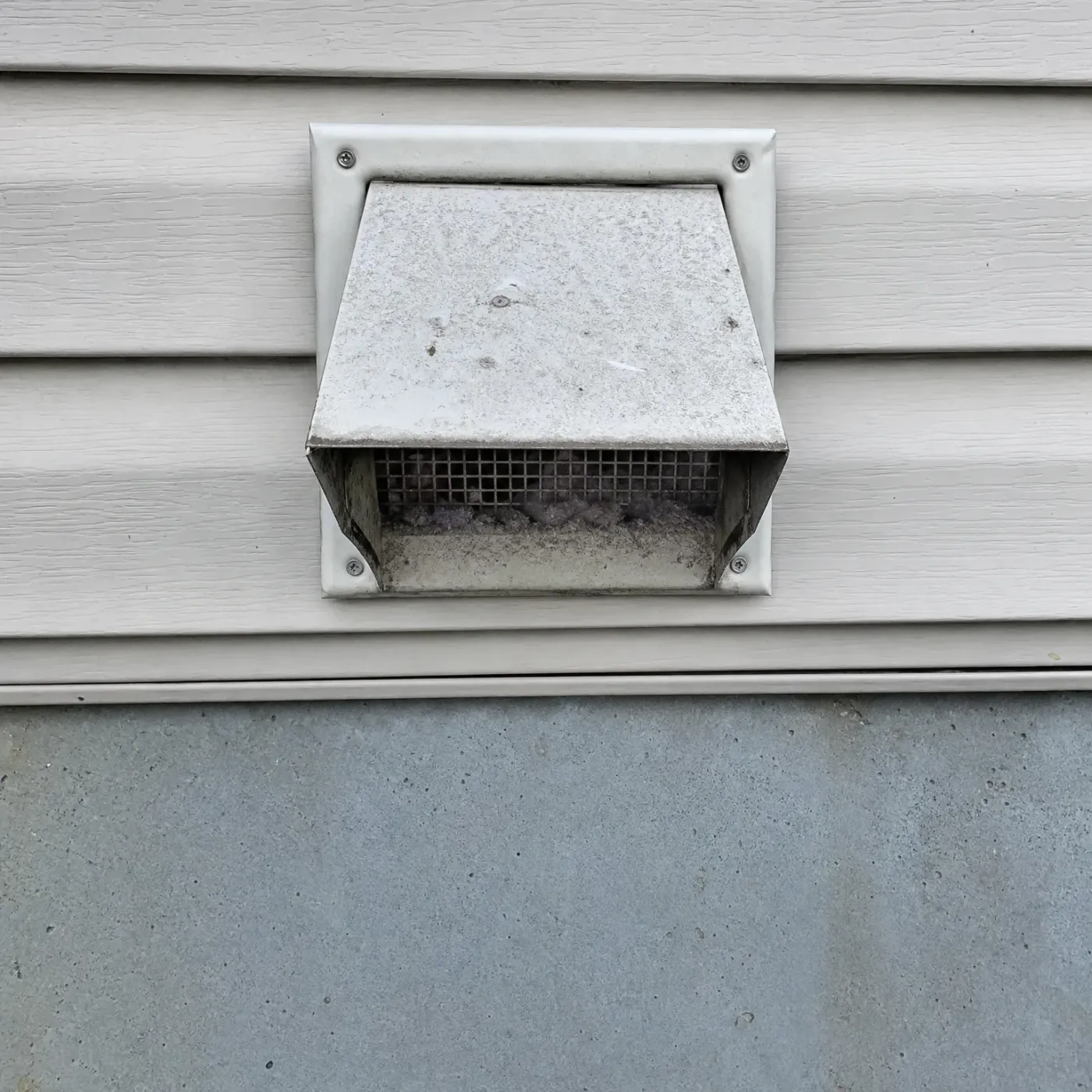
A metal dryer vent hood with a screened opening clogged by gray lint, mounted on light gray horizontal vinyl siding above a concrete foundation wall.
Before you get your dryer vent cleaning
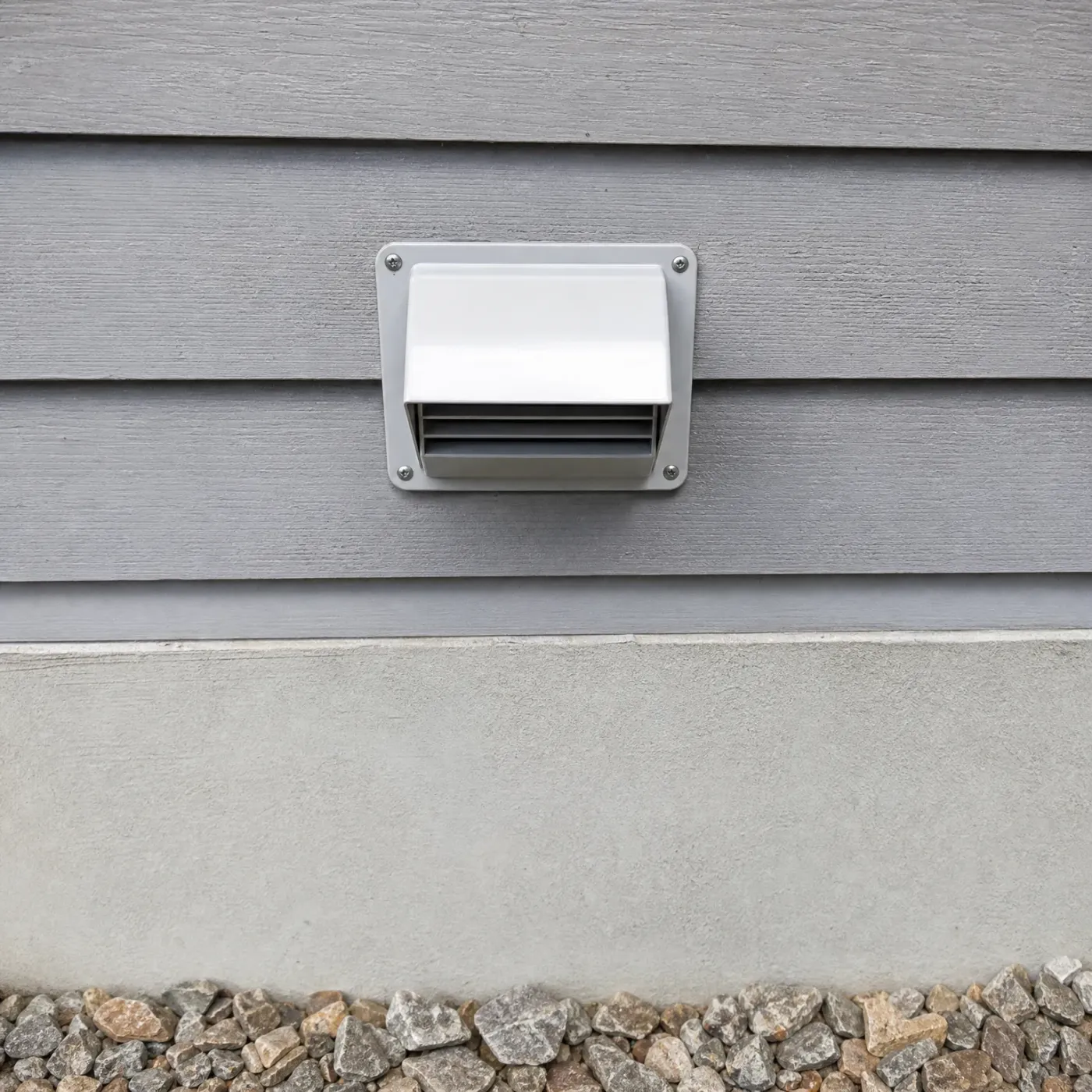
A white hooded louvered vent screwed to gray horizontal lap siding above a concrete foundation wall, with gravel along the ground.
After you get your dryer vent cleaning

One request and it's handed off

A nest doesn't clear itself out, and a dryer running against one gets worse each week it sits there, not better. In Lindenhurst and around Suffolk County, that strain lands on a system already working through a sticky summer and a cold winter, on power bills that are high enough without a blocked vent making the dryer run longer than it should. Clearing the nest, checking whether eggs or chicks are involved, and getting the vent back to blowing clear all take someone who does this work regularly, not a guess on a Saturday afternoon. Send the request and a licensed contractor local to this area, someone who deals with Suffolk County vents and nesting birds every spring, gets it directly, so you're not fielding calls from a handful of companies while you're trying to figure out why your clothes won't dry. That's one thing off your list, and the vent gets handled by someone who already knows what a nest like this usually involves.

Clear the vent, settle it

  • A nest in the vent means a blocked duct, and a blocked duct means a dryer that can't push its heat and moisture outside.
  • The fix is the same whether a bird built there last spring or last week: clear the duct, check the hood and flap, and confirm air moves freely again.
  • If there's still chirping, that timing matters, and a local contractor who deals with this every season knows how to handle it without running afoul of the law.
  • Lindenhurst homes send a lot of warm air out that hood most days of the week, which is exactly why birds find it in the first place.
  • One licensed, local contractor gets matched to your job, so you're not fielding calls from three different companies about the same nest.
  • Once the vent is clear, the dryer goes back to venting the way it's supposed to, and the guesswork about damp clothes and long cycles ends.

A bird picked your vent because it's warm and open, and that's also why it needs to come out. The nest blocks the duct, the duct backs up into the dryer, and nothing about that improves on its own. Clearing it is straightforward work once someone's out there: open the hood, pull what's inside, check that the flap swings free, and run a load to confirm air is actually moving again. If there's chirping behind that bundle of twigs, the job isn't just mechanical. A contractor who handles dryer vents around Lindenhurst and the rest of Suffolk County every season has seen active nests before and knows when to wait a few weeks instead of pulling it out on the spot. That's not guesswork for someone doing it for the first time, it's routine for someone who's done it on other houses on your street.

You get matched to one contractor for this, not a handful. That means one license, one local crew that knows what a Suffolk County summer and a Suffolk County winter each do to a vent left blocked, and one point of contact instead of three different companies quoting the same job. No more wondering if the chirping means wait or act, no more running the dryer twice to get clothes dry, no more checking the hood every time you walk past it. The vent gets cleared, the flap gets checked, and the dryer goes back to doing what it's supposed to do.

A single-story house with horizontal siding and large windows lit from within at dusk, beside a lawn, low path lights and a dark gravel driveway, with pine trees and a distant waterway under an orange and blue sky.

Dryer Vent Cleaning

Done looking for a dryer vent pro

Duct and vent cleaningSuffolk County, NY
Step 1 of 3

What kind of equipment?

  • A beige upholstered armchair with a green cushion and a knitted throw sits beside a window with a rain-speckled pane, with a lit table lamp and bookshelf behind and a wooden side table holding a ceramic mug and a book.
    • Get matched with a Suffolk County pro who cleans dryer vents.
    • Get matched with a pro who works on dryer vents in Suffolk County.
  • A ceramic table lamp with a wide linen shade and a dark wooden bowl sit on a round wood side table beside a beige upholstered sofa with a chunky knit throw, in front of a curtained window.
    • After this form, you can stop searching for a dryer vent pro.
    • One request and the search for a pro is handled.
  • A living room with a light gray sectional sofa holding brown and cream textured pillows and a knit fringed throw, a rustic wood coffee table with stacked books and a stone vase of olive branches, built-in shelves with pottery, and a tall olive tree beside a curtained window.
    • Skip searching for someone who cleans dryer vents in Suffolk County.
    • Fill out one short form instead of calling around.
  • A ceramic urn-shaped table lamp with a mottled gray glaze and beige drum shade sits on a dark wood side table beside a potted green plant, next to a light beige upholstered sofa and a framed artwork on a gray wall.
    • Only one pro gets your request, so you hear from one company.
    • Your request stays with one local pro.