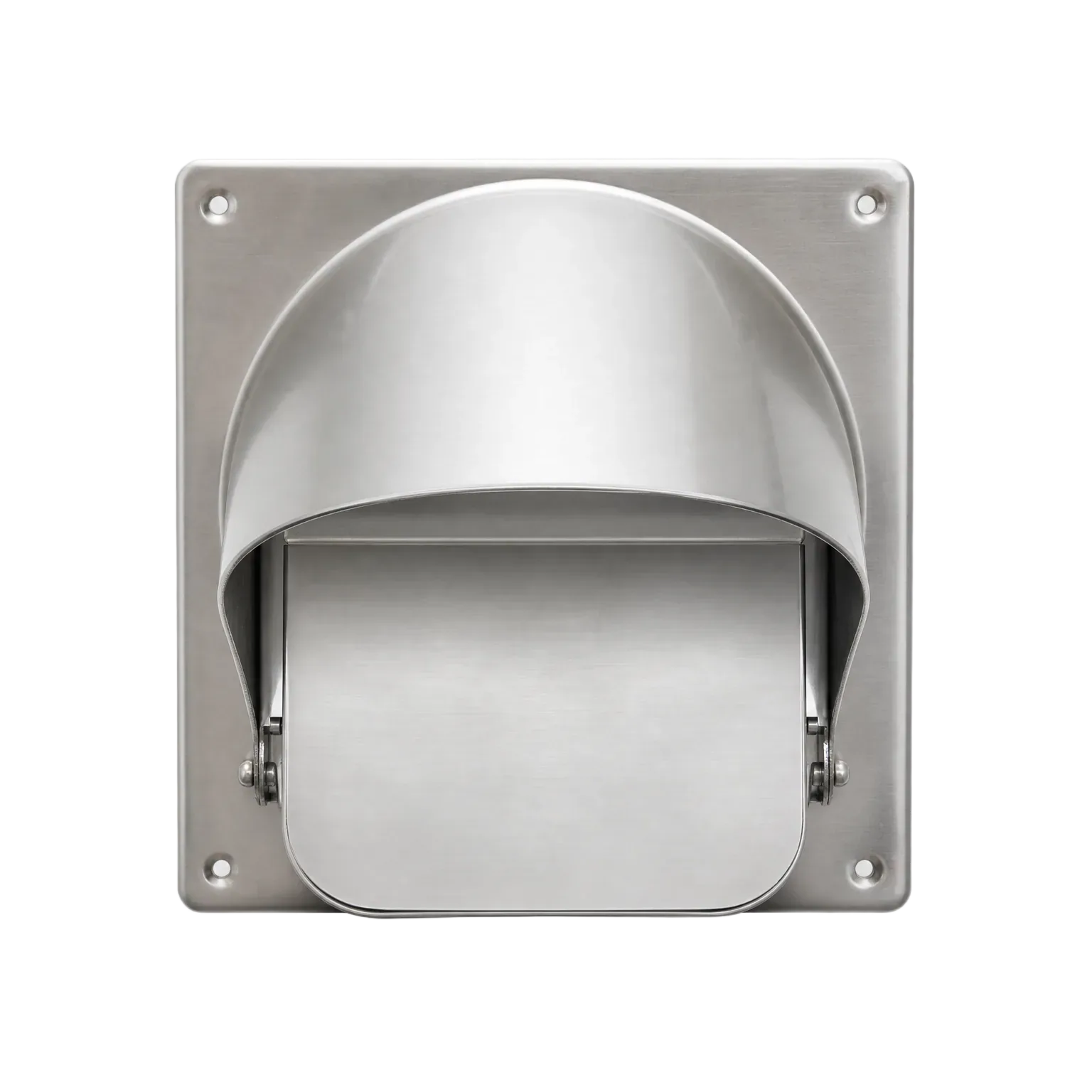

A vent doing its job
Air passes straight through the louvers and out the hood. The flap swings open while the dryer runs and falls shut after. Nothing blocks the opening, so the hot, damp air from each load clears the house the way it's supposed to.
Clean your dryer vent once a year. If you run heavy laundry loads most weeks, or your vent run is long, twice a year is safer. Lint builds up inside the duct every time you dry a load, and it narrows the path hot, damp air needs to escape through. A clogged vent makes the dryer run longer to dry the same load, and that extra heat has nowhere to go. In Lindenhurst and around Suffolk County, summers get humid enough that clothes already take longer to dry, so a partly blocked vent adds to a problem the weather is already causing. Most homes here run on oil heat, but the dryer itself is almost always electric, and power in this area costs more than in most of the country, so a dryer working harder to push air through a clogged vent shows up on the bill. A vent that is actually blocked, not just due for cleaning, is also a fire risk worth taking seriously.




2.93 people per household on average
With 2.93 people per household on average here, most homes run the dryer several times a week. That pace fills a vent with lint faster than once-a-year cleaning covers.
Half the homes here were built by 1970
Half the homes in Suffolk County were built in 1970 or earlier. Older ductwork tends to run longer or bend more getting outside, and lint collects faster at every turn.
Power here costs 26.13 cents per kilowatt-hour
Electricity here runs 26.13 cents per kilowatt-hour, among the highest rates around. A dryer fighting a clogged vent pulls more power to finish the same load.
ACS 2020-2024 · EIA-861 2025
Lint collects inside the duct with every load dried.
Buildup narrows the path hot, damp air travels through.
Airflow slows, so clothes take longer to dry.
Heat backs up near the duct and the dryer drum.



Air passes straight through the louvers and out the hood. The flap swings open while the dryer runs and falls shut after. Nothing blocks the opening, so the hot, damp air from each load clears the house the way it's supposed to.

Lint has packed the cap until the opening is nearly closed. The flap can't sit flush anymore. A dryer pushing air against buildup like this is drying clothes slower and running hotter than it should with every load.

If your clothes need a second cycle to finish, or the top of the dryer feels hot to the touch, the vent is already partway blocked. That's the lint doing it, not the dryer wearing out. Left alone, the same load keeps taking longer, and the heat that should vent outside stays in the duct and around the drum instead.
That heat buildup is also how dryer fires start, and Suffolk County's humid summers slow down how fast any trapped moisture dries out of the line between loads. A clogged vent run adds to what you're already paying for power here, since the dryer works longer to do the same job. A contractor who checks the vent can tell you from the duct itself, not a guess, whether once a year is enough for your house or whether your household's laundry pace calls for twice.


It's a little after seven and you're still in your work clothes, standing over the dryer with a heap of towels that should have been done an hour ago. You touch the top load and it's damp through, cooler than it should be after a full cycle. Outside it's the kind of sticky Suffolk County evening that makes you want everything dry and put away, not spread across the laundry room. You start the dryer again, same towels, and head back upstairs. Somewhere behind that wall the vent is doing less than it should, and the dryer is working harder for a load that isn't finishing. You fill out the form before bed. Tomorrow it's someone else's job to sort out.
A blocked dryer vent in a Lindenhurst house is a different problem in July than it is in January. Summer here already sits thick and humid, so air that should be venting outside and isn't adds to a house that's working hard to feel dry inside anyway. Come winter, most homes on this part of Long Island are heating with oil, and every bit of warm, wet air that backs up into the laundry room instead of leaving through the vent is heat you paid for sitting where it doesn't help you. With electricity costs here running well above the national average, a dryer that runs long cycles because the vent can't clear fast enough is pulling power at some of the highest rates in the country, load after load. None of that shows up as a bill you can point to. It shows up as towels that take two cycles and a laundry room that stays warmer than the rest of the house. Getting the line checked now settles which one you're dealing with.
A dryer vent that goes straight from the back of the machine to an outside wall clears lint fast, because the air has a short, direct path and nothing to slow it down. Add distance, and add turns, and the picture changes. Every elbow in the duct gives lint a place to catch instead of sliding through. A vent with two or three bends, or one that runs up through a second floor before it reaches outside, builds up buildup at each turn long before the straight run would. That's the run worth checking before you pick once a year or twice.
The lint trap in the dryer door catches most of what comes off a load, but not all of it. What gets past it travels down the duct and sticks to the inside wall, a little more with every load. Over months that coating thickens enough to narrow the duct itself, even though the trap looks clean every time you empty it. That's why a spotless lint trap doesn't tell you the vent is clear. The only way to know what's built up past the trap is to look inside the duct itself.


A vacuum with a hose attachment reaches the first few feet of duct from inside, and a brush kit made for dryer vents can push further in from either end. That clears what's close to the machine and close to the outside wall. It won't tell you what's happening in the middle of the run, especially if the duct bends through a wall cavity or a crawlspace to reach outside. It also won't tell you if the vent hood itself is damaged or if a bird or squirrel has built a nest behind the louvers, which happens more than people expect once the weather turns cold here.
A technician runs a brush the full length of the duct from a motorized line, not just the ends, and checks the outside hood while there. That matters most on a long run or one with several turns, where lint settles in the bends and a homeowner's vacuum can't reach it. The technician also looks at the connection where the duct meets the dryer and the one where it meets the wall, since loose or crushed sections slow airflow the same way lint does. For a short, straight run in good shape, doing it yourself between professional cleanings is reasonable. For anything longer or harder to reach, it isn't.
At close to three people in the average Suffolk County house, there's usually someone home running a load most days. That keeps the dryer working through the week, and lint collects a little with every cycle whether you notice the slowdown or not.
ACS 2020-2024


Once a year is the right pace for most houses in and around Lindenhurst. That's what a normal week of laundry puts into a vent over twelve months, and a yearly cleaning keeps the duct ahead of it. Your own house might call for more. A vent run with several turns in it collects lint at every bend, not just along the straight sections, so a longer or more bent path fills faster than a short, direct one does. A household doing wash most days of the week is feeding the vent more often than one doing a load or two. Either reason is enough to move to twice a year, and both together make it the safer schedule rather than the cautious one. Between cleanings, the dryer itself will tell you if the timeline moved up. Clothes that need a second cycle to finish, or a top panel that's hot to the touch, mean the vent is already partway blocked, and that's worth acting on right away rather than waiting for the date on the calendar. None of this is about one house having worse luck than another. The lint builds the same way everywhere. What changes the schedule is how the vent is run and how often the dryer sees use. Once you've got that answer, the only thing left is finding someone to clear it, and sending the form takes that off your plate.
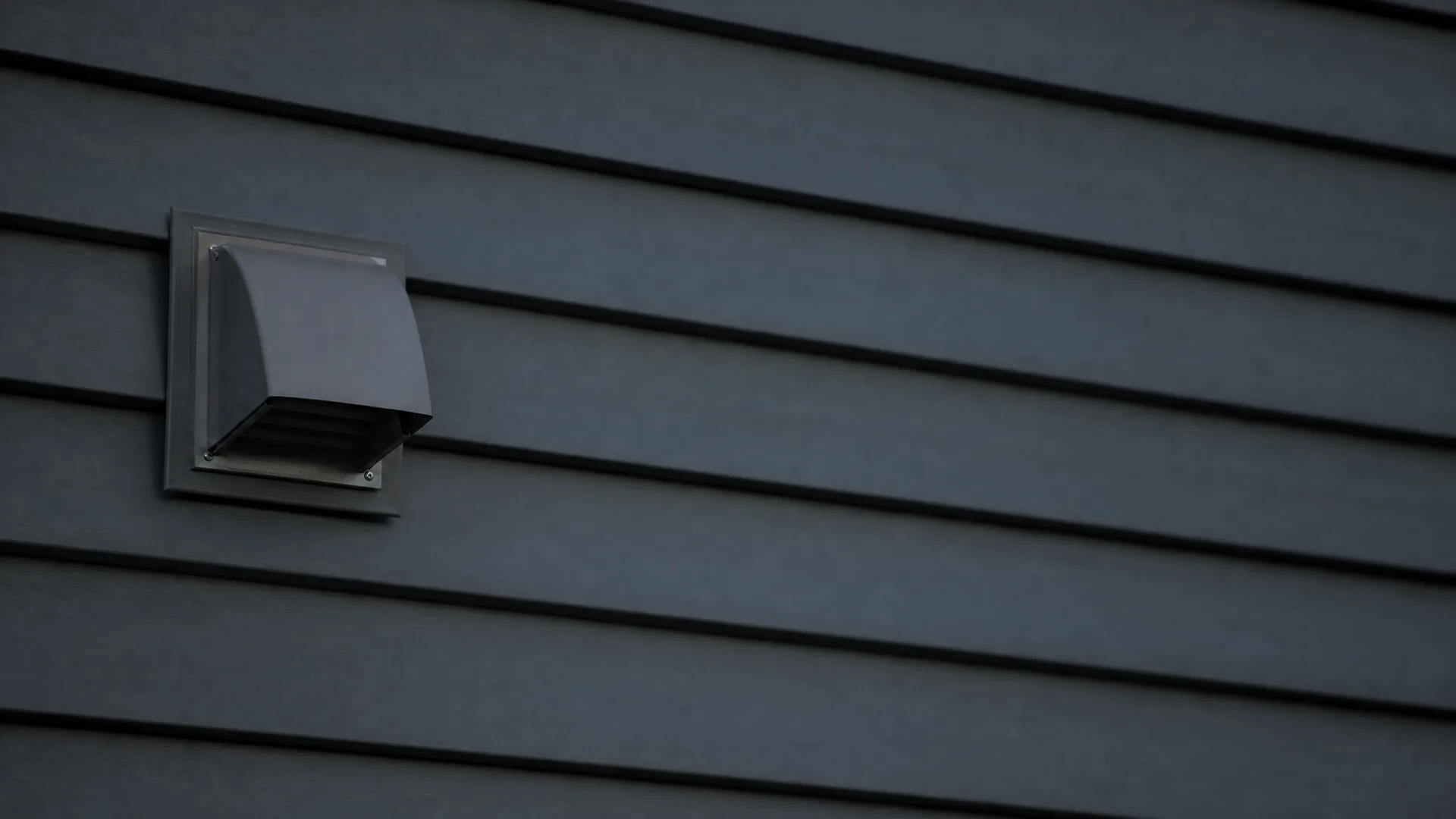
Once you send the form, finding a pro is off your list.