Lint ignites around 451°F
A dryer's heating element can reach that easily. When airflow is blocked, heat has nowhere to go and builds against a pile of dry lint sitting right in the duct.
Yes, a clogged dryer vent is a real fire risk, and it's one of the more common house fire causes tied to home appliances. Lint is what burns. Every load leaves some behind, and it builds up inside the vent hose and the wall duct, not just the trap you clean out. Once the vent is blocked, hot air has nowhere to go, so it backs up into the dryer itself, pushing temperatures up around the heating element or gas burner where that trapped lint can ignite. A clogged vent also makes the dryer run longer to dry the same load, and that longer run time means more heat built up against more lint. You'll usually notice warning signs first: clothes coming out hotter than normal, a burnt smell, the outside vent flap barely moving when the dryer runs. In New York, where many dryers vent through a wall to the outside and winters mean that vent sits closed up for long stretches, a blockage you can't see from the room can sit there for months before anyone checks it.




A dryer's heating element can reach that easily. When airflow is blocked, heat has nowhere to go and builds against a pile of dry lint sitting right in the duct.
Clearing the hose and wall duct lets heat and moist air escape the way they're supposed to, instead of backing up toward the drum and the element.

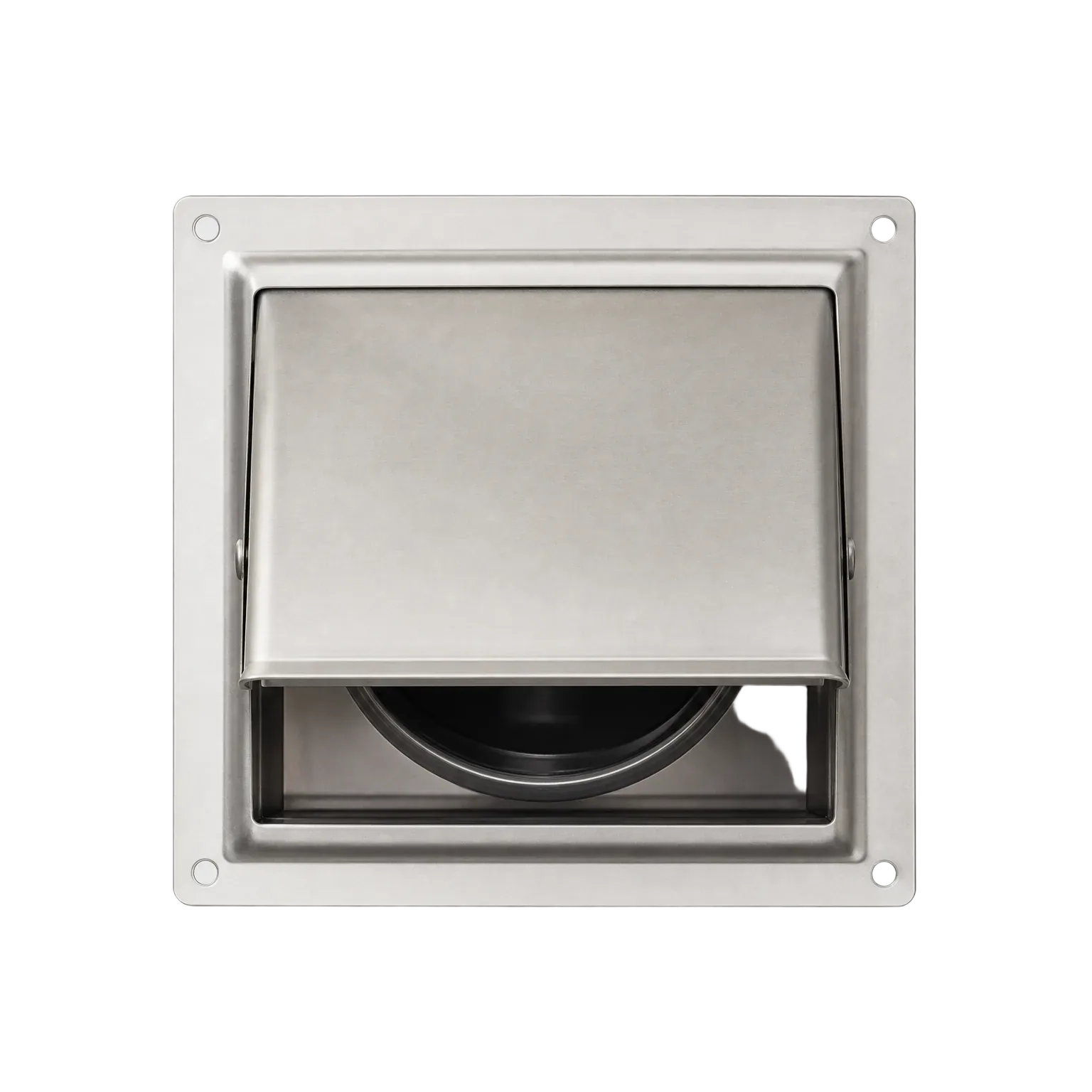
Air moves freely through the hood and the flap opens all the way when the dryer runs. No lint sitting at the opening, no buildup staining the siding or the ground below. Heat and moisture leave the house the way they're supposed to.

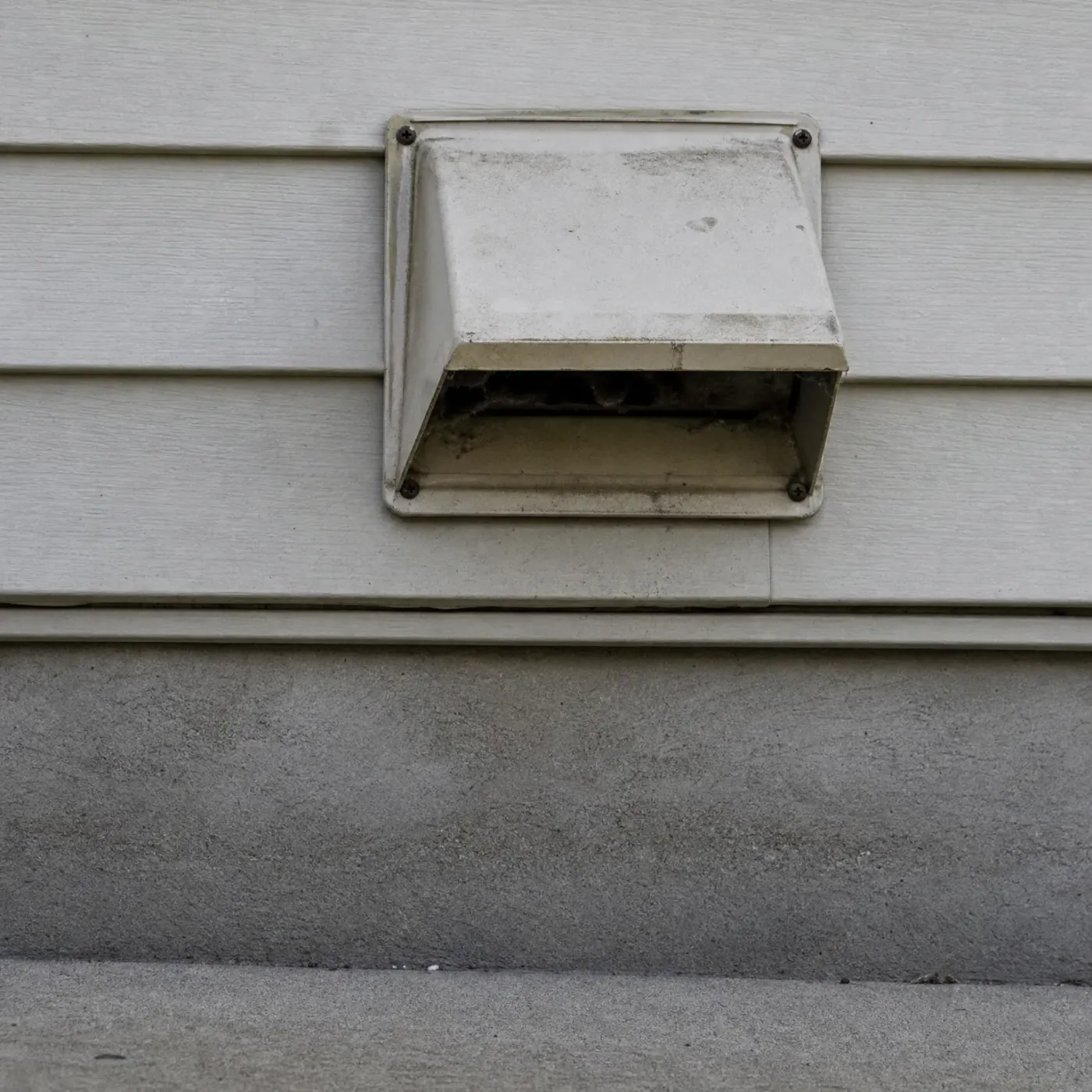
Lint has packed into the opening until the flap can barely move. What you see outside is only the end of it. The hose and the duct behind this wall are likely carrying the same buildup, right where the dryer's heat collects.
At 26.39 cents per kilowatt-hour, New York is among the priciest places in the country to run an electric dryer. A clogged vent makes yours work harder and run longer to dry the same load, and that shows up on your bill before it shows up as a hazard.
EIA-861 2025 statewide residential average



It's a little past eight on a Tuesday and you've started the dryer twice already. The towels are still damp, bunched in a heap on top of the machine, and the room smells faintly hot, that dusty warm smell that wasn't there a year ago. You press your palm against the dryer's front panel and pull it back fast. You crack the laundry room door to let some air in, even though it's sticky out tonight same as it's been all summer. You're the type who'd rather deal with this now than wait for it to turn into something worse. A tech who handles vents all over New York could tell you in minutes whether this is lint or something else. You pick up your phone.
A dryer vent in good shape is something you can check from two spots in a few minutes, the hood outside and the lint trap inside. Once it's clogged, you're mostly guessing, because the duct that runs through the wall isn't somewhere you can see. That's the part a local contractor opens up and clears, and it matters that it's someone who does this work in New York homes all year, through humid summers when moisture sits heavier in the line and into the months when the dryer runs more. One contractor gets your request, not several, so you're dealing with a single visit from someone who knows what a clogged line in a house like yours usually looks like, not a round of calls to sort through. With New York's electric rates among the highest anywhere, a dryer fighting a clogged vent is already costing you before anything worse happens. Getting the duct cleared now, while it's a straightforward job, is what keeps it that way.
A vent cleaning is a short job and you know right after whether the hood opens wide and the airflow is strong. It's cheap compared to what's on the other side of this, and it's the kind of thing you can schedule before anything feels urgent. A contractor who works on vents all season can tell from the hood, the duct run and how long your dryer takes to finish a load whether lint has built up somewhere you can't see, and clear it before it turns into a bigger job.
Put it off and the dryer keeps running hotter and longer to dry the same load, which costs you on a power bill that's already high here. Lint keeps building in the duct where you can't see it. Nothing forces the issue until the vent is blocked enough to choke airflow or a cycle ends with the drum still hot. By then you're not scheduling a cleaning, you're dealing with a dryer that won't dry, or worse, a vent packed tight enough to hold heat against a pile of lint.

Lint sheds off every load and travels into the duct
Loose lint snags on screws, bends and the hood flap
Buildup narrows the duct so less air moves through
Trapped heat climbs against the dry lint with nowhere to vent


A clogged dryer vent is a fire risk because it puts heat and lint in the same place with no way for the heat to escape. That's the whole mechanism, and it's why the fix isn't complicated once someone can see inside the duct. You can tell a lot from the hood and the trap, how wide the flap swings, how many cycles a load takes, whether the outside air feels strong against your hand. What you can't tell from there is the stretch of duct hidden in the wall, and that's usually where the real buildup sits. A contractor who works on vents through a New York winter and a sticky New York summer has seen where lint catches in that stretch more times than you have, the bends, the screws, the spot just behind the hood flap. That's the kind of thing that's faster to find with a camera or a probe than to guess at from outside. Getting matched means one licensed contractor who knows this equipment comes to look at your setup specifically, not a handful of companies calling to bid on the job. The vent itself doesn't know whether you check it this month or after the dryer's run hot a few more times. It just sits there, clear or not, doing the same thing it was doing the day it was installed. What changes is whether you know which one it's doing before it matters.

Your request stays with one local pro.