
Once a year is right for most homes in New York. A dryer vent collects lint along its length, not just behind the screen, and a year of normal drying builds up enough to slow the airflow down. When that happens, the dryer runs longer to dry the same load, which matters here since power costs more in New York than in most of the country. Humid summers add to it. Lint pulls moisture out of the air in a sticky July the same way it pulls heat out of the dryer exhaust, so the vent stays damp longer and lint clings to the inside of the duct instead of blowing through. If your vent run is long, has several bends, or vents out through the roof, check it closer to every six months. A dryer that's taking two cycles to dry a load, or a laundry room that's warmer than usual, is telling you the vent needs attention now, not at the next scheduled cleaning.


Lint does not sit only behind the screen. It travels down the duct and settles wherever the air slows down, mainly at bends and at the hood outside. A vent with several turns, or one that runs a long distance to an outside wall, gives lint more places to catch than a short, straight run does. Rigid metal duct lets most of it pass through. Flexible foil or vinyl duct has ridges that snag lint as it moves, so it builds up faster in that kind of duct. Outside, check the hood flap while the dryer runs. It should swing open on its own. If it barely lifts, air is already struggling to get through. New York summers add humidity to the mix, and lint near the hood can pick up moisture and pack down, which closes off the opening further. A dryer that needs a second cycle to finish a load that used to take one is usually telling you the vent is already partly blocked, not that the dryer is wearing out.
Where lint actually collects
- Lint builds up fastest at the bends in the vent run, since airflow slows down wherever the duct turns.
- A vent that runs longer than usual, or has more than two or three bends, traps more lint per load than a short, straight one.
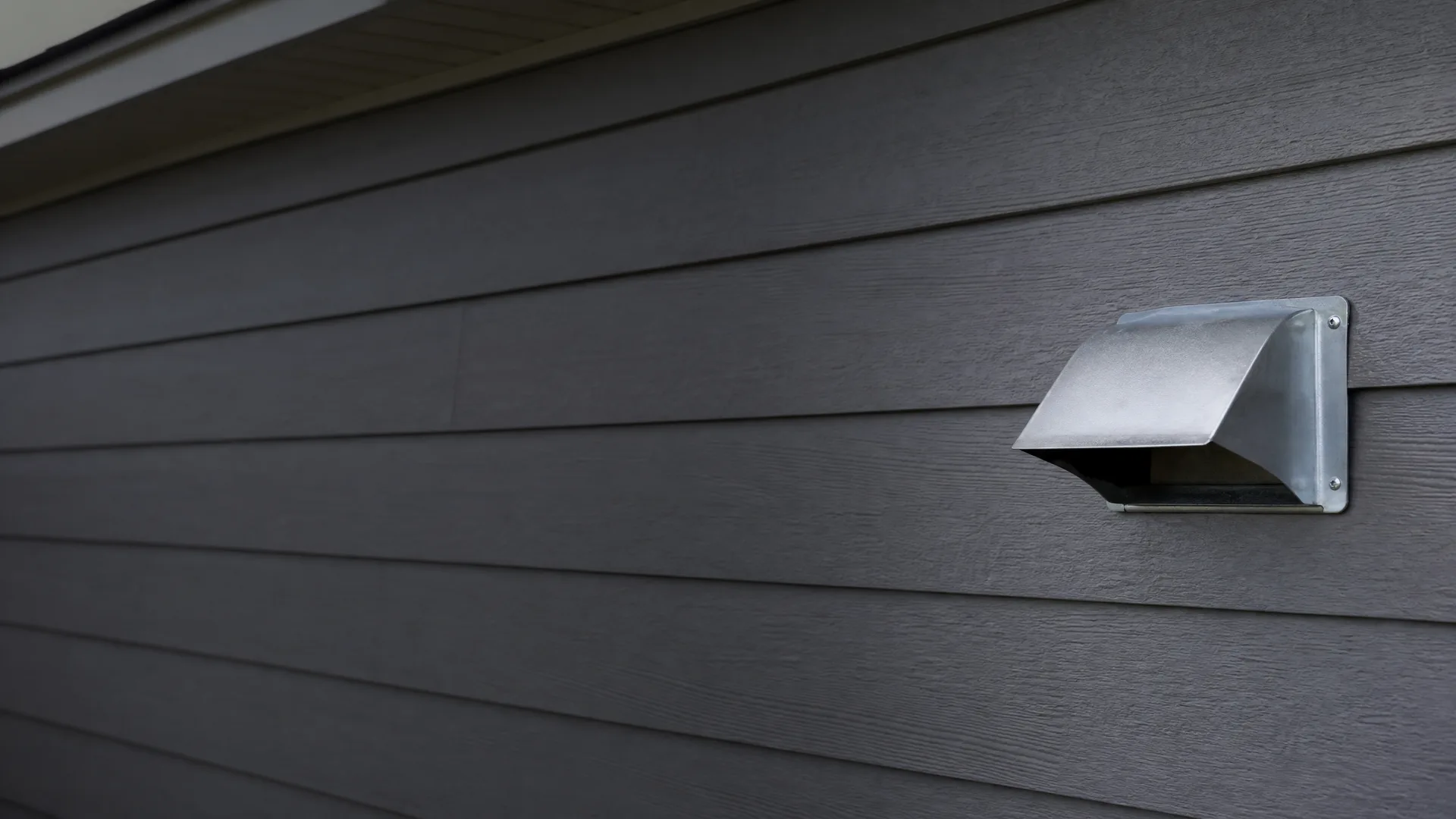
- The outside hood flap should swing open freely when the dryer runs; if it barely moves, airflow is already restricted.
- Rigid metal duct sheds lint more easily than flexible foil or vinyl duct, which snags lint on its ridges.
- A dryer that takes two cycles to dry a normal load is often pushing air through a vent that is already partly blocked.
- Lint that collects near the exterior hood can mix with moisture and pack down, which narrows the opening even more over a New York summer.






Get your dryer vent to the right pro
A dryer vent that's never been checked is hard to judge from the laundry room. You can feel if clothes are taking longer, but you can't see how packed the line is behind the wall or how the bends in the run are holding lint. New York winters mean the dryer runs more, and in summer the house is already carrying enough humidity without a slow dryer adding to it. Gas dryers depend on that vent clearing exhaust along with moisture, so a restricted line isn't only a drying problem. A contractor who works on vents in this area every season knows which runs clog fastest and what the hood should look like when it's clear. Getting matched with one puts someone who actually does this work on your specific setup, not a general call center. If it's been a year or you're not sure when it was last done, that's reason enough to get it looked at now rather than waiting for a sign you can't miss.

It's almost nine on a Tuesday and you're still in the laundry room. Second load this week that's come out of the dryer damp at the top, towels heavy and cool to the touch instead of warm. You pull them off the top of the pile and feel for the dry ones underneath, stacking the damp half back in for another twenty minutes. Outside it's humid enough that nothing air-dries on the line, so the dryer's been running almost nonstop since the weekend. You notice the room feels warmer than it should, the air a little close, and you make a note to check the vent hood outside before you run another load.
Power costs 26.39 cents per kilowatt-hour statewide
At 26.39 cents per kilowatt-hour, running a dryer longer than it needs to shows up fast on the bill. A vent packed with lint makes every load take extra time to dry, and in New York that extra time costs more than it would almost anywhere else.
EIA-861 2025 statewide residential average
A clogged vent doesn't just slow drying. It keeps hot, damp air trapped in the line after the cycle ends, and that moisture sits in the duct until the next load pushes through.
Lint is what catches fire. A vent that's been cleared once a year never builds up enough of it to matter, and the dryer stops working harder than it has to.


Where That Leaves You
- A dryer vent in New York holds up for about a year of normal use before lint slows the airflow enough to matter.
- A longer run, more bends, or a louver that's already stuck shut means that year comes sooner.
- A contractor who clears vents around New York all year knows which bend in a run traps the most lint first.
- Matching you with one licensed local contractor means a single call back, not a string of them from companies you didn't ask for.
- Clearing the line once a year keeps the dryer running the length of cycle it was built for, and keeps lint from sitting in the duct between loads.
Once a year is the number to work from. A straight, short run can go a little longer between cleanings. A run with several bends, or one that already shows a stuck louver, needs it sooner, and you'll usually notice the dryer telling you before anything fails outright. The pattern is the same one this page has walked through: lint builds along the whole line, not just at the screen, and it builds fastest wherever the duct turns. That's why two homes on the same block, with the same dryer, can be on different schedules without either one being wrong about it.
What changes the outcome isn't just knowing the one-year mark. It's who clears the line. A contractor who works on vents across New York through every season has already seen which bend in a run usually traps the lint first, and checks there before anywhere else. That's different from someone guessing at a vent they've never opened.
When you put in a request here, it goes to one licensed, local contractor, not a handful of companies calling you back at once. That contractor knows the runs, the bends, and the louvers that stick around here because clearing them is routine work, not a special case. A vent cleared on schedule keeps the dryer running the cycle length it was built for, and keeps lint from sitting damp in the duct between loads.
The right pro for this job
Your request goes to one pro, not a list of companies.