







New York HVAC Help

Is a clogged dryer vent a fire risk in Queens, NY

Get matched with a Queens County pro who cleans dryer vents.

Find my pro

Is a clogged dryer vent a fire risk in Queens, NY?

You run a load of laundry and notice the dryer is taking longer than it used to, or the outside vent flap barely moves when it's running. Maybe you've heard that lint buildup causes house fires and you're wondering if that applies to your dryer, in your home, right now. You're not looking for a scare. You want to know if this is actually something to deal with soon or something that can wait.

Yes, a clogged dryer vent is a real fire risk

Lint is paper thin and catches fire easily. Every load sends more of it into the vent, and when the vent is blocked the heat from the dryer has nowhere to go. That heat builds up around the lint instead of venting outside, and that's what starts fires. A dryer that runs hot to the touch, takes two cycles to dry clothes, or leaves your laundry room warmer than usual is telling you the vent isn't clearing properly. In Queens, a lot of homes have longer vent runs to reach an exterior wall, sometimes with a bend or two along the way, and every bend is a place lint can settle and build up faster than you'd expect.

A woman in a cream cowl-neck sweater stands in a lamp-lit room looking out a window at a snow-covered yard with shrubs and bare trees at dusk.
A woman in a gray turtleneck sweater stands near a large window in a lamp-lit living room, looking out at falling snow and snow-covered conifers.
A woman in a chunky knit sweater stands by a large window looking out at snow-covered ground, with a dimly lit living room containing a gray sofa, framed artwork, shelves and table lamps behind her.
A woman in a gray turtleneck sweater stands in a dimly lit living room with a lamp and bookshelves, looking out a multi-pane window at falling snow.

Signs Your Vent Is Clear or Clogged

Vent still working

  • A full cycle finishes in under an hour, maybe two for heavy loads like towels, without you switching it to a second round.
  • The outside vent flap swings open wide when the dryer runs and closes most of the way when it stops.
  • The top of the dryer and the room around it stay close to room temperature during a cycle, not hot to the touch.
  • You can't smell a burning or hot dust smell near the dryer or at the outside vent while it runs.
  • Lint still collects mostly in the trap after each load, and the trap itself fills up at the usual rate.
  • Clothes come out dry and not noticeably more wrinkled or warm than they used to.

Clogged vent

  • A load that used to take forty-five minutes now takes two cycles or more to get fully dry.
  • The outside flap barely lifts, or doesn't move at all, when the dryer is running.
  • Lint shows up around the back of the dryer, behind it, or caked at the outside vent hood itself.
  • The dryer runs hotter than normal, and the room it sits in warms up noticeably during a cycle.
  • A burnt-dust smell comes through the vents of the dryer or lingers near the outside hood after a cycle.
  • Clothes come out hot to the touch and still damp, even after you've run the cycle a second time.
A white plastic hooded dryer vent cover mounted with screws on beige horizontal lap siding, next to a plain pale wall surface.

Why lint catches so easily

Lint is dried fiber. It ignites at a lower temperature than paper, and a dryer pushes hot air through it on every cycle. When vent airflow is blocked, that heat has nowhere to go and builds up around the drum and the duct instead of venting outside. The igniter or heating element keeps firing because the thermostat thinks the air hasn't reached temperature yet, so the lint sits in a hotter environment longer than it was ever built to.

A metal louvered exterior vent hood screwed to a beige horizontal lap siding wall, with a blank light-colored surface filling the left half of the frame.

Why the duct run matters here

Queens homes often vent the dryer through a long duct run to reach an outside wall, sometimes with a bend or two along the way. Lint settles fastest at those bends and at the outside hood, where moist air slows down and fiber sticks to the metal. A duct cleaned straight through from the back of the dryer to the outside flap moves air at close to full speed; one with even a single packed bend can cut that airflow by half or more.

A woman stands in the open front doorway of a single-story house with a dark hipped roof and light siding, while a man in a navy jacket and cap is seen from behind in the foreground on the paved walkway.

What a blocked vent means for your laundry room

Run your hand along the duct behind the dryer after a cycle. If it's hot to the touch, or if the room itself feels warmer and more humid than it should, air isn't making it outside. That heat is sitting in the duct instead of venting to the outdoor flap. Clothes that come out damp after a full cycle, or a dryer that shuts off mid-cycle and needs a restart, are telling you the same thing. In an apartment in Flushing or a house in Bayside, the duct run is different, but the sign is the same: heat and moisture with nowhere to go.

Queens winters mean the dryer runs more, with heavier loads and more layers. More cycles through a blocked vent means more heat cycling against that lint. A local contractor who works on vents through Queens County every winter knows which duct runs clog first, whether it's a long run through a co-op hallway or a short shot to an outside wall in a detached house, and can look at yours directly instead of guessing over the phone.

A light gray sofa with gray and beige textured throw pillows and a cream knit blanket beside a white-framed window, with a small round side table holding a ceramic vase and potted greenery.

Why does a clogged vent matter more in a Queens house?

  • 2.72 people per household on average

    With 2.72 people in the average household here, that dryer is likely running near daily, so a clogged vent gets more chances to overheat before anyone catches it.

  • Half the homes here were built by 1953

    Half the homes in Queens County were built in 1953 or earlier, and duct runs that old are more likely to have narrow spots, sharp turns, or sagging sections where lint collects faster.

  • Power here costs 35.15 cents per kilowatt-hour

    At 35.15 cents per kilowatt-hour, a dryer straining against a blocked vent runs longer and hotter to finish a load, and you pay for every extra minute it takes.

ACS 2020-2024 · EIA-861 2025

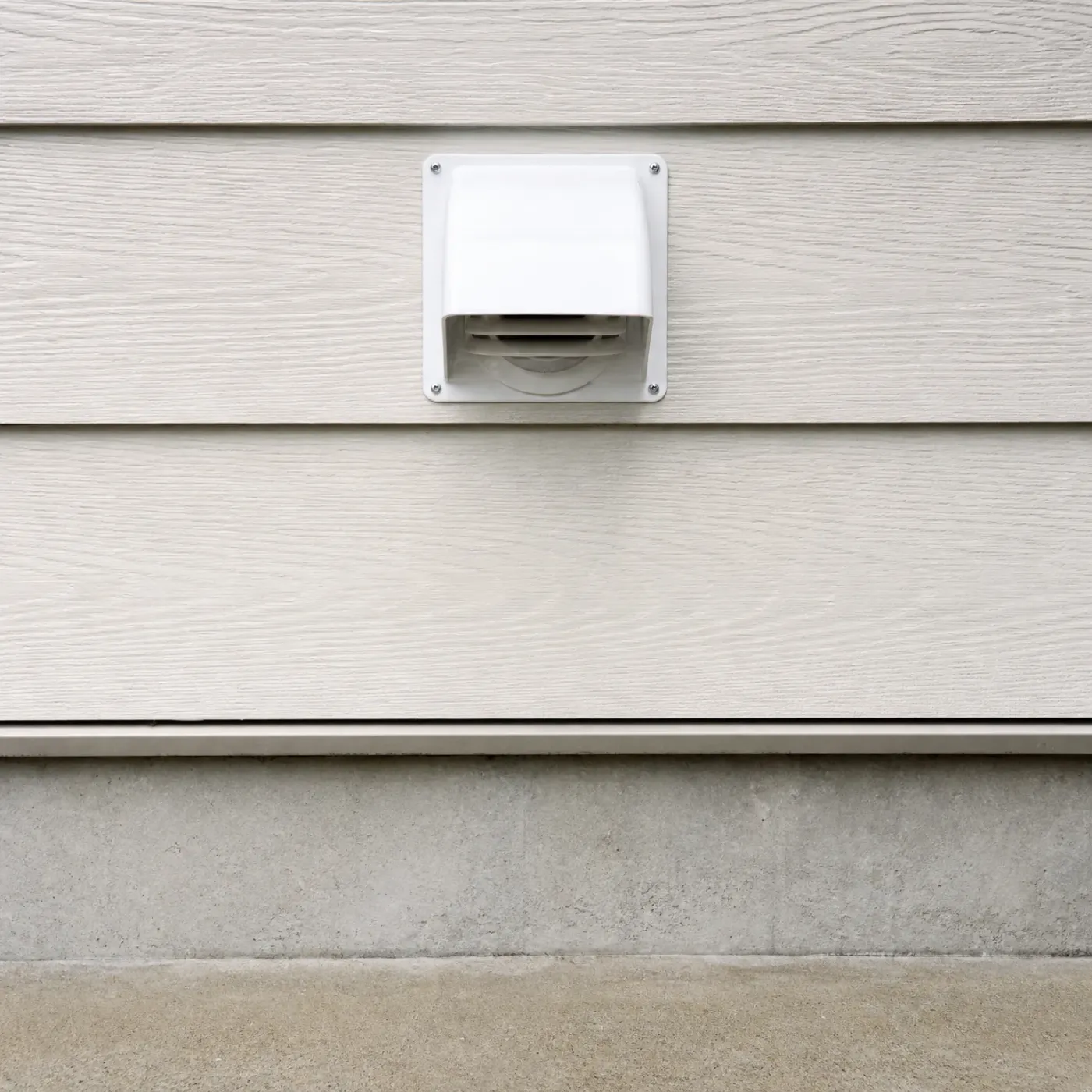
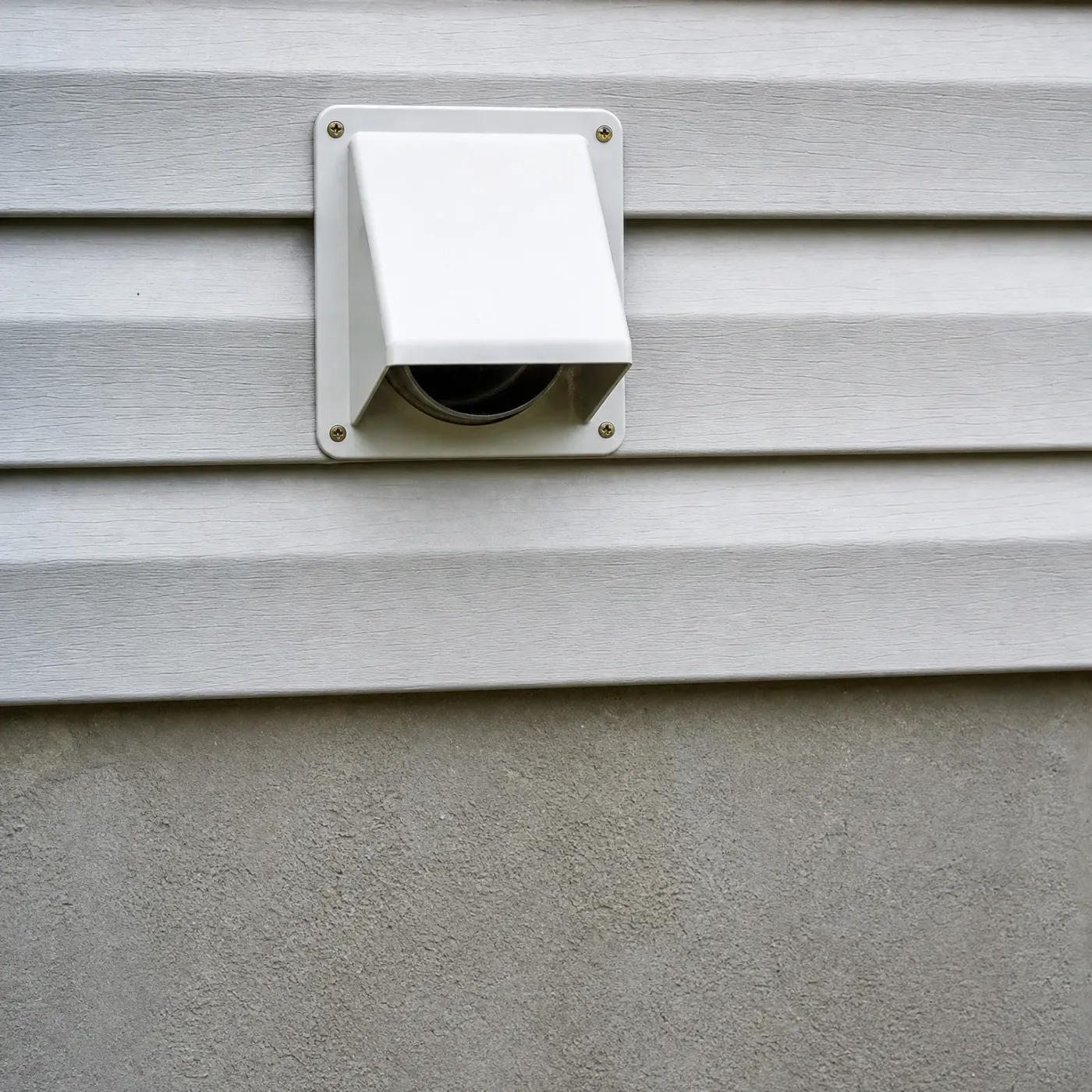
A white hooded dryer vent with a square mounting plate screwed onto light gray horizontal vinyl siding, above a gray stucco-textured lower wall.

Vent clear and open

This is what a clear vent looks like from outside. The flap hangs loose and swings open as soon as the dryer starts, letting hot air escape fast. Nothing is caught in the hood, and air keeps moving the whole cycle, which is what carries the heat away from the lint instead of leaving it to collect.
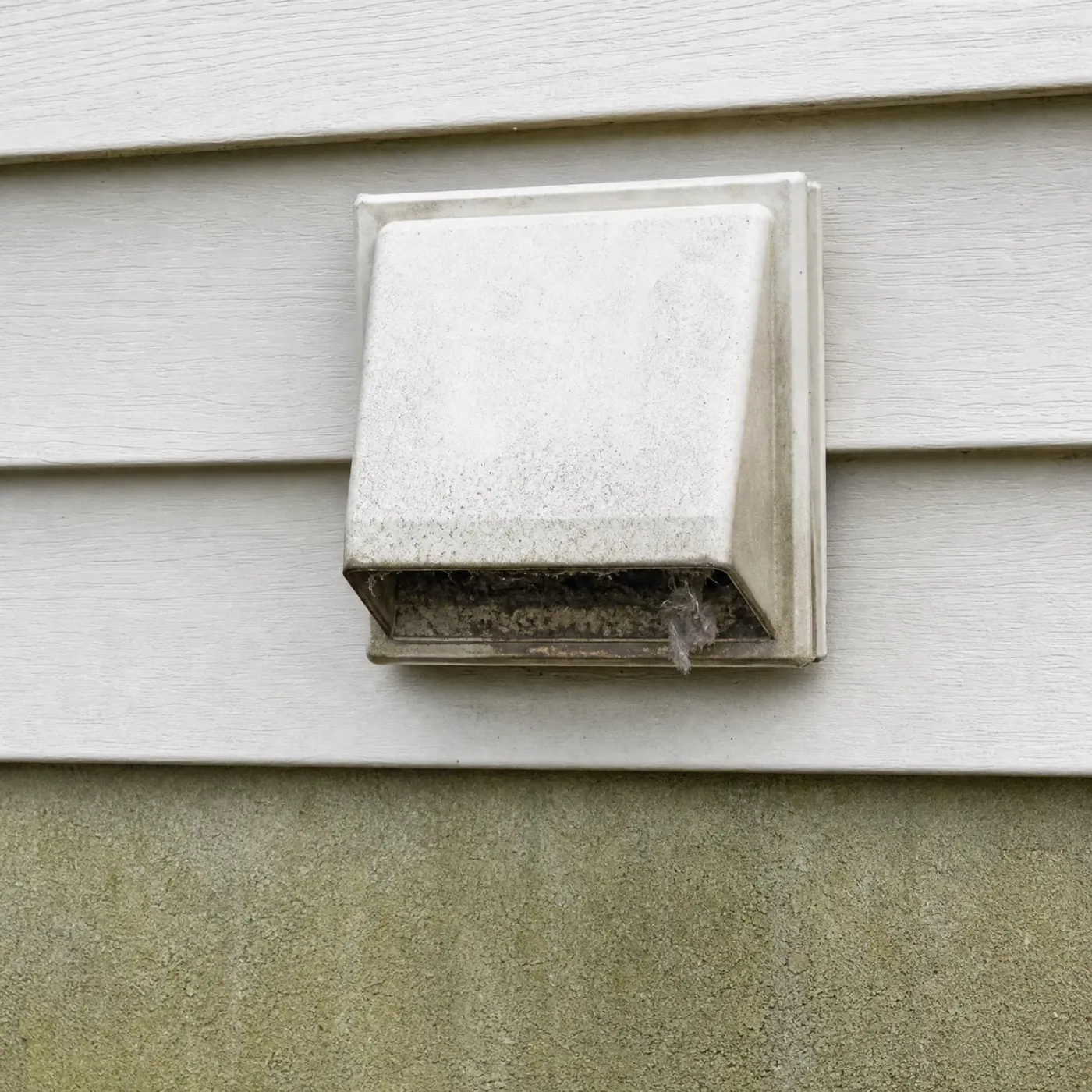

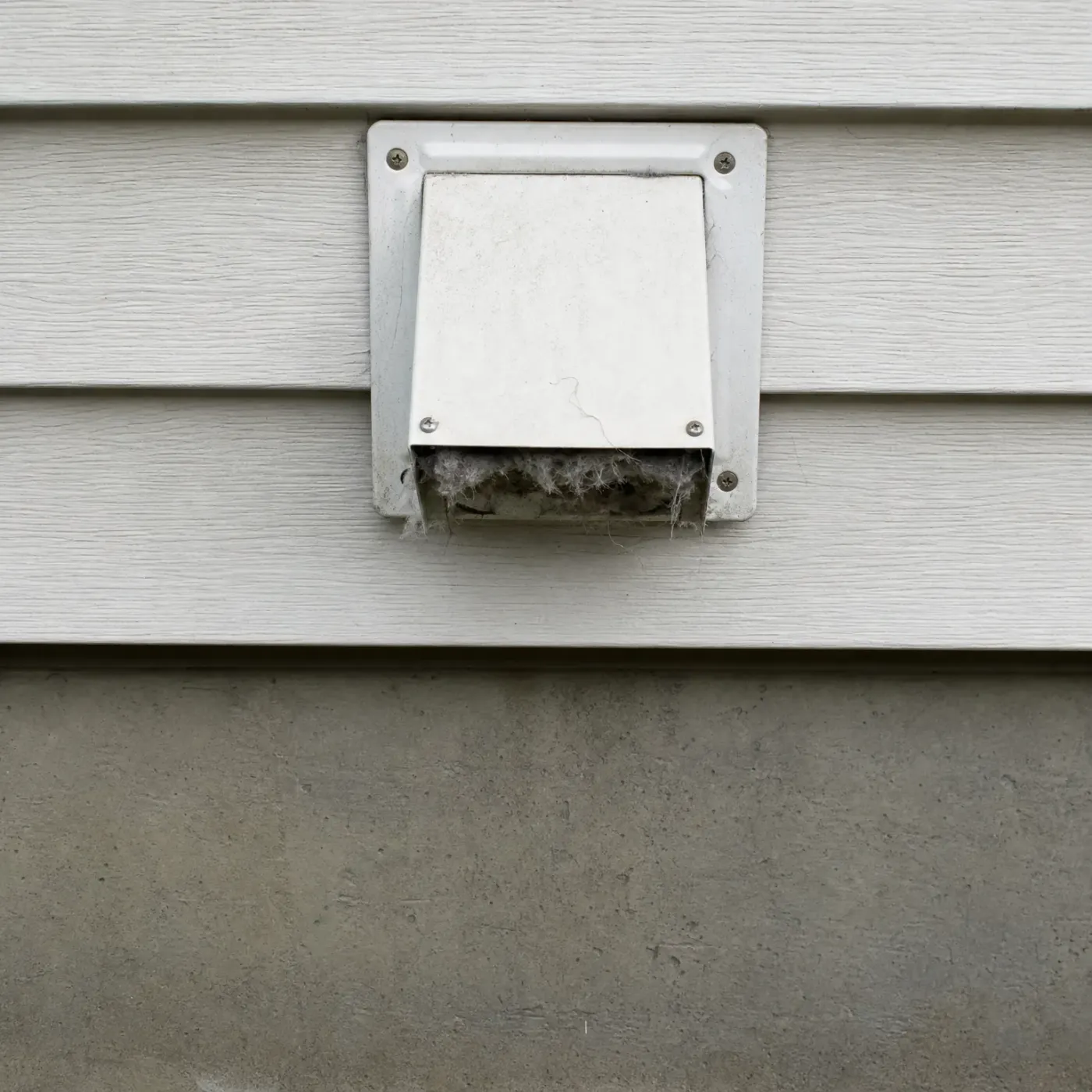
A white plastic dryer vent hood mounted on light-colored horizontal lap siding, with lint caught in its lower opening and a green-stained foundation wall below.

Vent clogged with lint

Here the flap can barely move. Lint has packed into the hood itself, with a tuft caught in the opening, and that buildup is only the part you can see from the yard. The rest runs back through the duct, and every cycle adds more heat and fiber to what's already sitting there.

A bearded man in a plaid flannel shirt stands indoors looking out a condensation-covered window at a snowy landscape, with a speckled mug on the sill and kitchen shelves behind him.
A bearded man in a navy t-shirt sits on a beige sofa, laughing while looking toward a laptop screen visible in the lower foreground, with a houseplant, shelves, and a framed picture behind him.

Get matched with a dryer vent pro in Queens County

You've read enough here to know whether your vent is clogged or clear. If it's clogged, the next question is who clears it, and that matters in Queens as much as the clog itself does. Lint deep in a duct that runs through a wall or up to a roof vent isn't something a shop vac reaches. A local contractor who cleans dryer vents in Queens homes every week knows the duct runs common to these houses, where lint tends to pack in elbow joints and roof caps, and what tools actually clear it instead of pushing it further in. Requesting service here puts your situation in front of one contractor suited to it, not a handful of companies working off the same form. That matters when the job is a hot duct behind a dryer you use most days of the week. Get it looked at before the next load goes in.

  1. Lint builds up along the duct walls with every load you run.

  2. Airflow slows, so heat and moist air stay trapped inside the duct.

  3. The dryer's heating element keeps firing to compensate for the lost airflow.

  4. Trapped heat climbs past the point where lint ignites on its own.

What you'd actually notice in your own laundry room

Clothes come out warm but not fully dry, so you run the cycle twice. The dryer itself feels hot on top or on the front panel, more than it used to. You might catch a faint burning smell, like dust warming up, especially a few minutes into a cycle. The laundry room runs warmer and stuffier than the rest of the house, even with the dryer door shut. Lint shows up in odd places, like around the door seal or on the floor behind the machine. None of this means a fire is coming. It means heat that should be venting outside is building up instead, around a drum and a duct that keep getting hotter with every load you run.

A white plastic dryer vent hood with a hinged flap mounted on light grey horizontal lap siding, with lint clogging the opening beneath the flap and a concrete foundation wall below.
Before you get your dryer vent cleaning
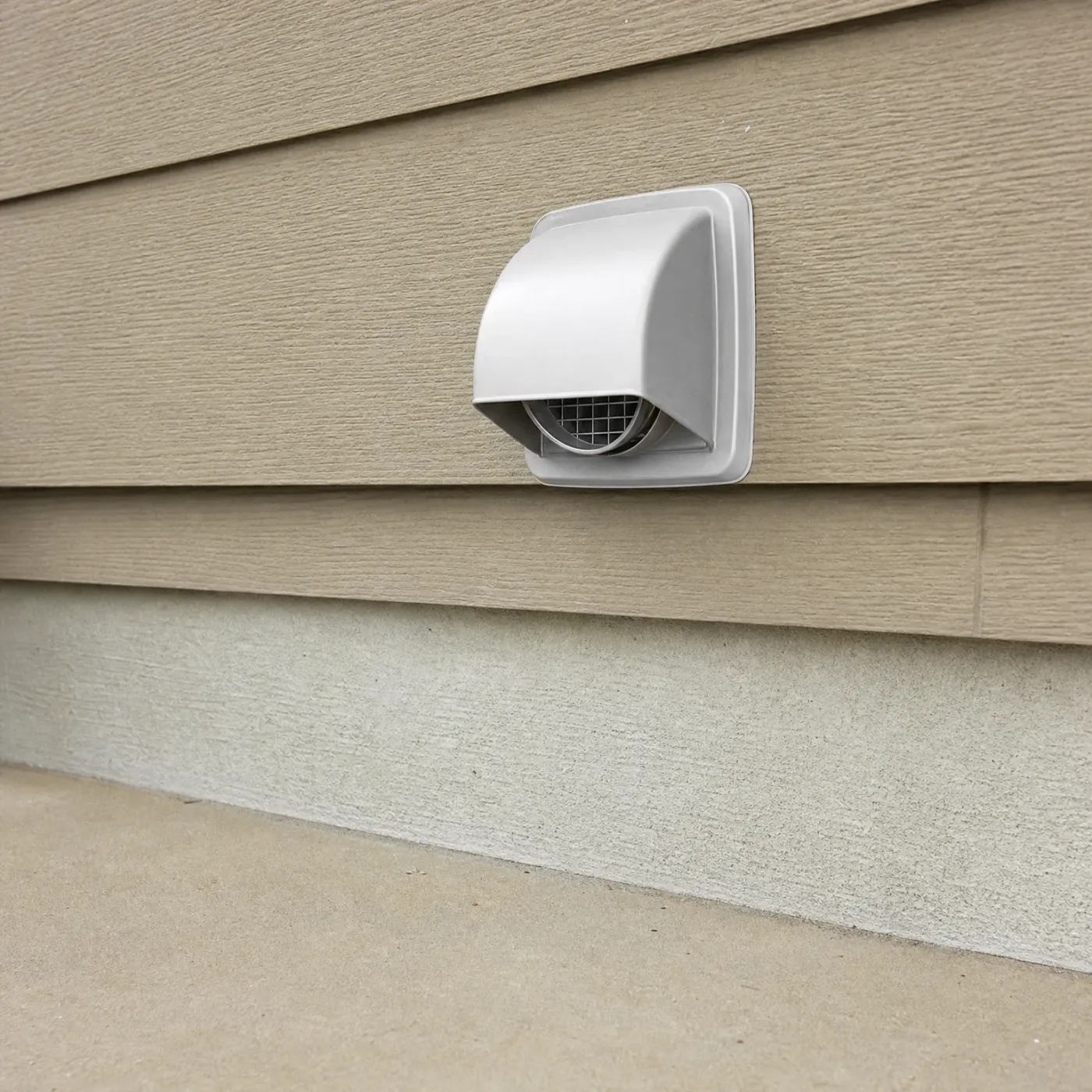
A white hooded dryer vent with a grille mounted on tan horizontal lap siding above a concrete slab.
After you get your dryer vent cleaning

A once-a-year cleaning

A clear vent takes the dryer's heat and moisture outside every time, so the motor and heating element aren't working harder than they have to.

Find a local pro

A vent nobody's checked

Lint keeps building with every load until airflow is weak enough that heat has nowhere to go but back into the duct and the room around it.

Find a local pro

2.72 people per household on average

At 2.72 people, your household is running that dryer most days, not once a week. Every load adds another layer of lint to the duct, so a vent that's slow to clear gets stressed on a near-daily basis instead of catching a break between uses.

ACS 2020-2024

A white hooded dryer vent with a louvered flap mounted on beige horizontal lap siding above a concrete foundation wall.

The cap you want to see

The flaps sit loose against the siding and move freely on their hinges. Screws at the corners hold the cap flush to the wall. When the dryer kicks on, air pushes the flaps open right away and they fall shut again once the cycle ends.

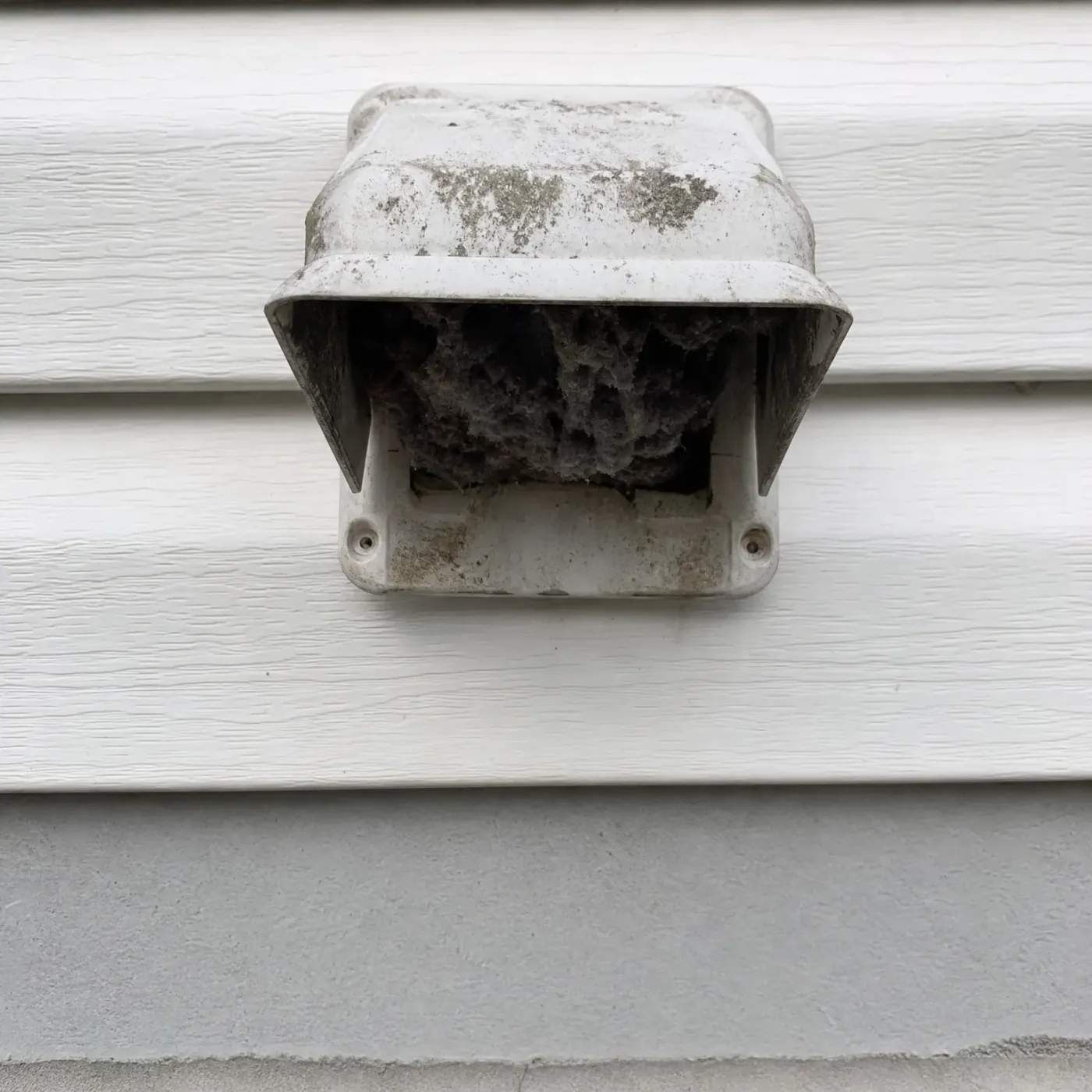
A white plastic dryer vent hood on horizontal lap siding, clogged with thick gray lint and dirt, above a lighter concrete foundation wall.

The cap that's telling you something

Lint has packed the opening so tight you can't see daylight through it. The flaps can't swing, so the hot, damp air the dryer is pushing out has nowhere to go. The dirt and mildew on the cap itself mean it's been like this for a while.

A clogged dryer vent is a fire risk, and in a Queens house running a dryer most days, it's one that builds faster than people expect. The signs are plain enough once you know to check for them: a longer cycle, a hot duct, a vent flap that barely moves. None of that requires guesswork, and none of it requires living with it. What it does require is someone who clears vents like this for a living, not a general handyman guessing at it. A local contractor who works on Queens homes through every season knows what a duct running through a wall or up to a roof line usually looks like clogged, and how to get it fully clear rather than just pulled out at the opening. You'd be matched with one contractor, licensed for this work, so you're dealing with a single call back instead of fielding offers from several companies. The vent itself won't tell you it's gotten worse. The dryer will keep running, warmer each time, until someone who knows what they're looking at opens it up.

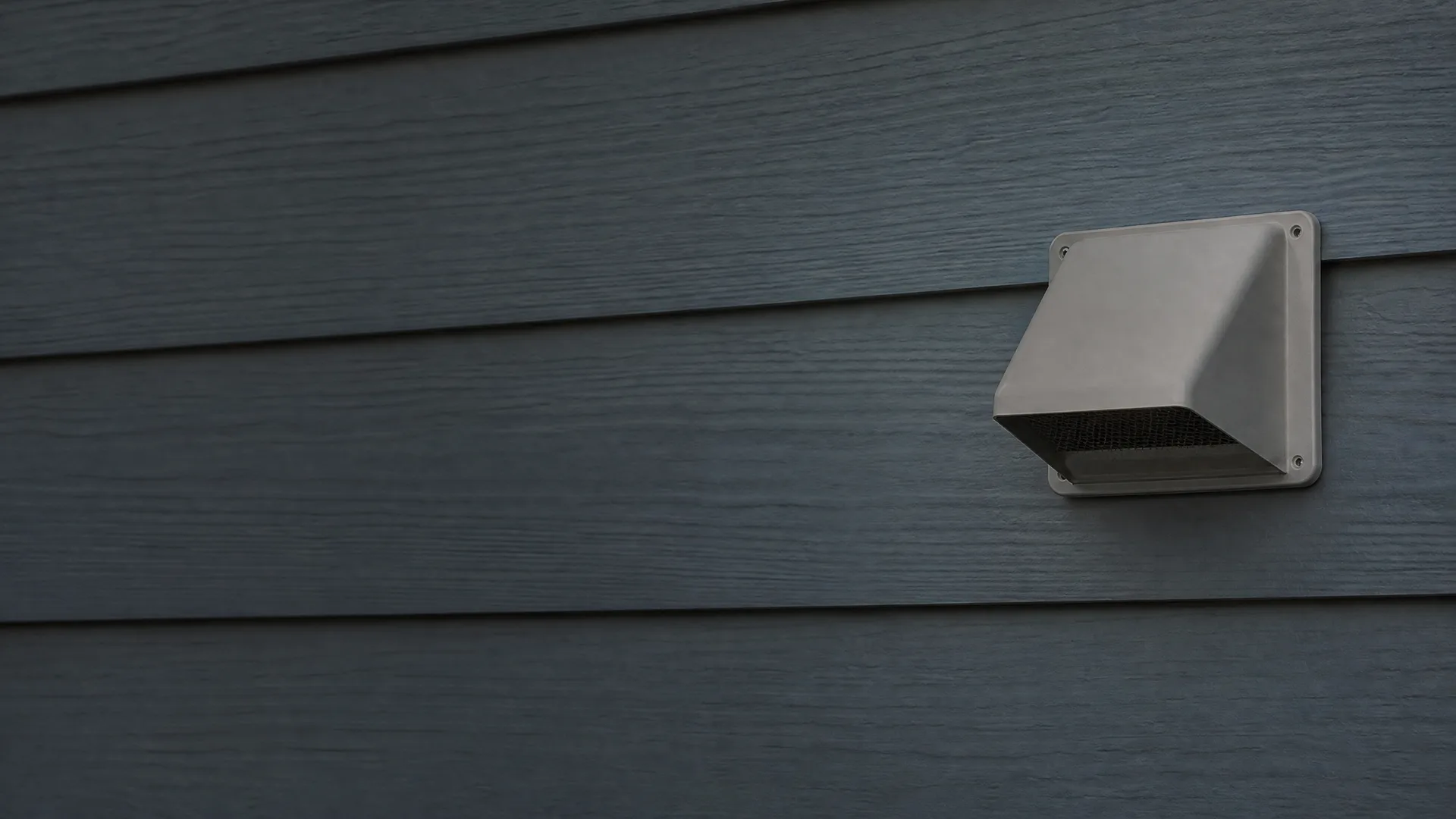
A light gray hooded exterior dryer vent with a screened opening mounted on dark blue-gray horizontal lap siding.

Matched to your dryer vent job

The pro who reaches out is licensed in New York.

Duct and vent cleaningQueens County, NY
Step 1 of 3

What kind of equipment?