
Air moving freely
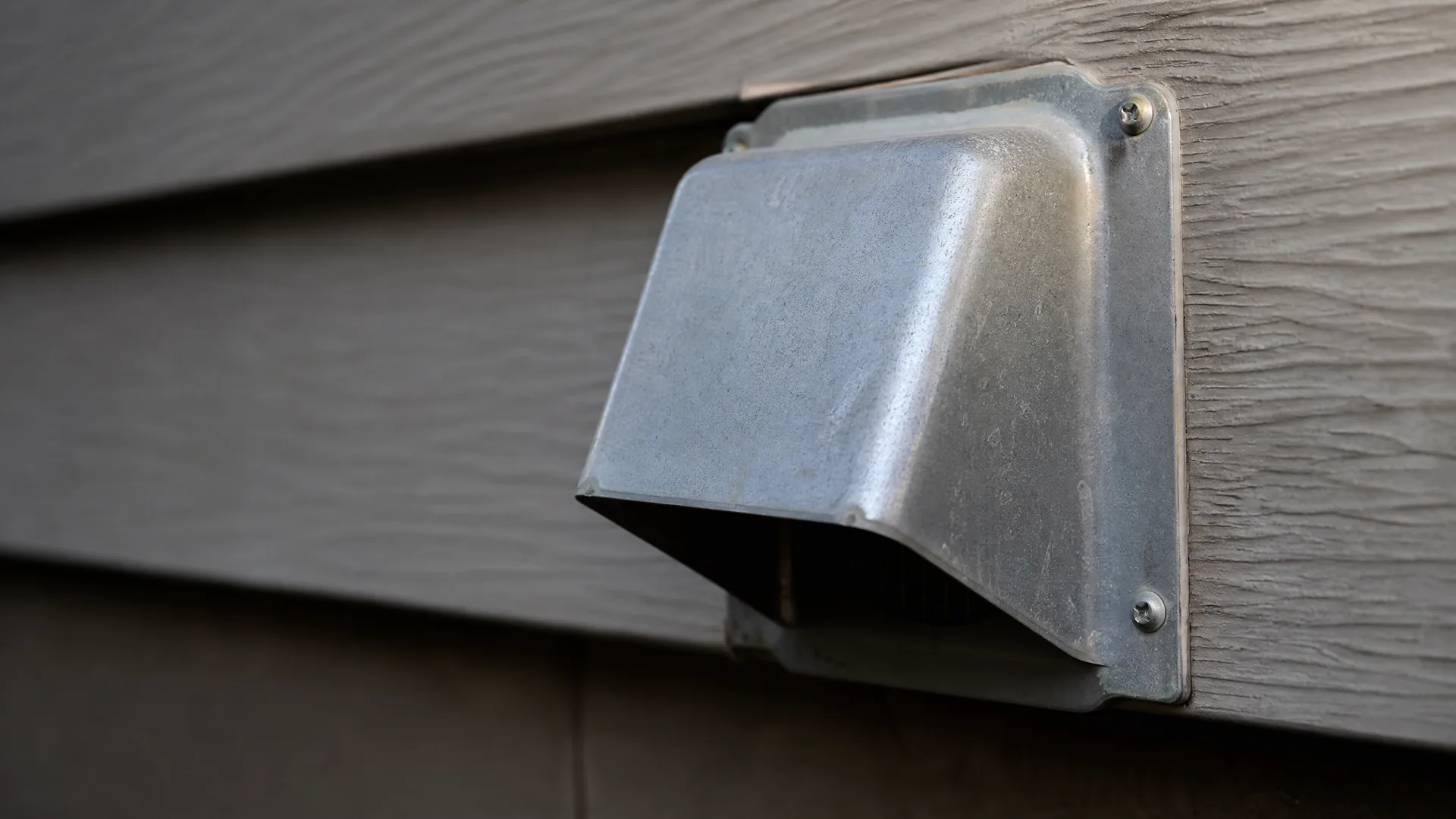
Outside, the vent flap opens wide when the dryer runs and closes flat against the wall when it stops. The screen behind it stays mostly clear. Lint that does collect sits loose and brushes off.
A dryer that runs hot to the touch, clothes that take two cycles to dry, a burnt smell when it's running. If you're searching this in Brooklyn, something about your dryer already has your attention. The next step is usually a string of phone calls: finding a vent cleaning company, waiting on hold, describing the problem to someone new each time, then doing it again with two more companies just to compare what they quote you. That's the part this page skips. Tell it what your dryer's been doing and you're matched with one licensed, local contractor who works on vents in Kings County homes all year and knows the usual culprits, not a list of five companies calling you back at once. One conversation, with someone who already knows what you're describing before you finish describing it.
You've noticed something off with your dryer and you're trying to figure out if the vent is the problem before you call anyone. Clothes coming out hot but still damp, a cycle that used to take forty minutes now stretching past an hour, a burnt or musty smell when it kicks on. These are the clues most homeowners catch first, and in older Brooklyn buildings with long or shared vent runs, they show up sooner than you'd think.
A clogged vent means the hot, wet air the dryer pushes out has nowhere to go, so it backs up into the drum and the cabinet instead of escaping outside. That's why clothes come out still damp, why a cycle runs twice as long as it should, and why the dryer itself gets hot on the outside, not just warm. You might also notice the vent hood flap outside barely moves when the dryer is running, or doesn't move at all. In a lot of Brooklyn homes, the vent run is long or bends through tight spaces to reach an exterior wall, and lint settles at every turn. The longer that lint sits, the less air moves, and the signs above get more obvious each time you run a load.

Outside, the vent flap opens wide when the dryer runs and closes flat against the wall when it stops. The screen behind it stays mostly clear. Lint that does collect sits loose and brushes off.

Dust and grime cake around the opening and the flap sits open even with the dryer off, propped by lint packed behind it. That buildup is airflow that isn't making it outside.
2.56 people per household on average
Kings County households average 2.56 people, which means more loads a week moving through that vent, and more chances for lint to pack it tight.
Half the homes here were built by 1944
Half the homes in Kings County were built in 1944 or earlier. A vent run that old has more joints and more bends for lint to catch on.
Power here costs 36.97 cents per kilowatt-hour
Electricity here runs 36.97 cents per kilowatt-hour. A dryer fighting a clogged vent pulls more power to finish the same load, and you pay that rate on every extra minute.
ACS 2020-2024 · EIA-861 2025






The path your dryer's air takes is simple: drum, lint trap, duct, vent hood. Anything that slows that path backs up everything behind it, the same way a kinked hose backs up all the way to the faucet. Most of the slowing happens at elbows and bends, where moving air has to change direction and lint has somewhere to catch. A straight run rarely clogs first. If your duct is the older flexible foil or vinyl kind rather than rigid metal, it holds more lint in its ridges and fills in faster. Once enough lint packs in, the drum's high-limit thermostat does what it's built to do and cuts the heating element off early, before the heat trips it the way it should. The drum keeps turning and the motor keeps running, so the dryer doesn't sound broken. It just stops finishing the job, cycle after cycle, with clothes coming out cool and still damp while the vent behind the wall holds the real problem.


The pro who gets in touch is licensed in New York and works in Kings County.
There's no charge for the request.
The trap behind the door only stops the lint that's big enough to see. Finer lint rides the airflow past it and into the duct, where it catches on seams, screws, and any bend in the pipe. A straight, short duct carries it out before it can settle. A longer run, or one with turns in it, gives that lint more places to grab hold. Over time it builds the same way dust builds in a corner, slow at first, then thick enough to choke the airflow down to a fraction of what the dryer needs to push through.
A dryer pushes hot, damp air out through the duct on every cycle. When that path is clear, the air leaves as fast as the drum puts it out, and the heating element only has to cycle on long enough to dry the load. When lint narrows the path, the same air has nowhere to go, so it backs up into the drum. The thermostat reads that trapped heat and shuts the element off sooner, then back on again once it cools, over and over through the cycle. That constant cycling is the motor and element working harder for the same dry load.


A clogged vent means more gas burned and more power drawn per load, on a grid where Kings County already pays some of the highest rates around.
Heat that can't escape builds up near the motor and the heating element, and that's where a dryer fire usually starts, not out at the hood.

Kings County apartments and row houses don't give a dryer much room to work with. Vent runs often bend through a wall or down a shaft before they reach outside, and every bend is a place lint can catch and build. Once that lint packs in, your dryer pushes heat and moisture back into the unit instead of outside, and the drum has to run longer to do the same job. That shows up on your gas and electric bill, and power here already costs more than most places.
It also means heat sitting where it shouldn't, close to the motor and the lint trap housing, for longer than it was built to handle. You shouldn't have to call around to find out if that's what's going on with yours, get three different opinions, and then sort through quotes to figure out who actually knows vent systems built the way Brooklyn's are. One call to someone who clears these vents in this borough every week tells you what's behind the wall and what it will take to fix it.

Lint builds up inside the duct behind the lint trap.
Trapped lint narrows the path air needs to escape.
The dryer runs hotter because heat has nowhere to go.
A safety thermostat shuts the heating element off early.
At 2.56 people, your household is doing laundry most days, not once a week. That's more wet lint riding into the duct every time the dryer runs, and less time between loads for a clogged vent to show itself before it starts costing you.
ACS 2020-2024
If you've checked the flap, felt the dryer running hot, or counted a second cycle to get clothes dry, you already have your answer. A clogged vent doesn't clear itself. Lint keeps catching on the same seams and bends, and each load adds a little more until the dryer is working harder for a worse result than it gave you last year.
What that means for a row house or apartment in Kings County is a longer duct run with more bends than most homes have, which gives lint more places to build up before you ever see it at the flap outside. A contractor who cleans these vents every week in this borough has already seen where it catches in a run like yours, because the layout isn't new to them even if the problem is new to you.
Once you ask for help here, you're matched with one of those contractors, not a list of five companies working the phones for the same job. No comparing quotes, no repeating the burnt smell and the long cycle time to a different person each time you call. Just someone local who already knows what a clogged vent looks like in a building like yours, and what it takes to clear it back to the airflow it had when the house was new to you.
Skip the calls to every shop