
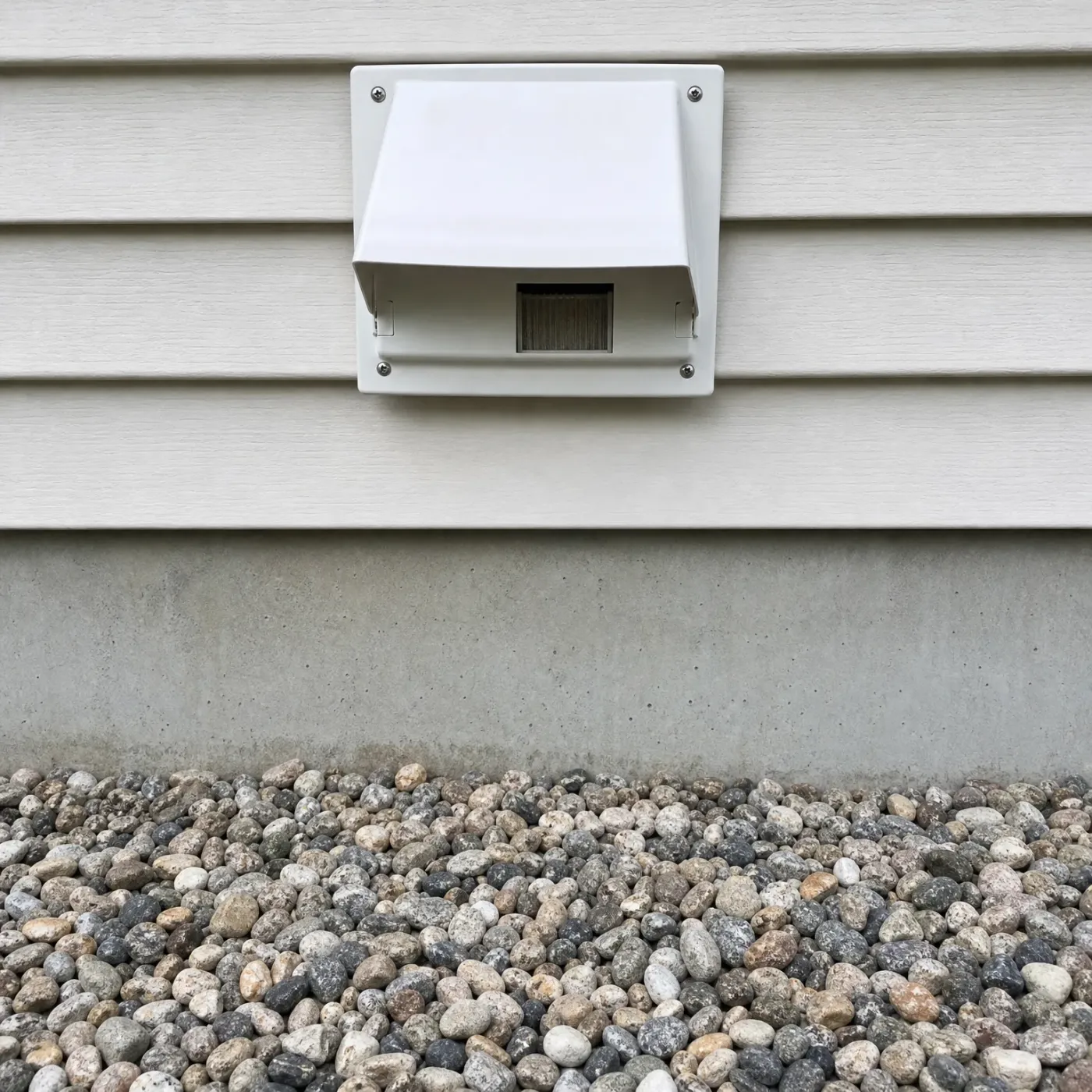
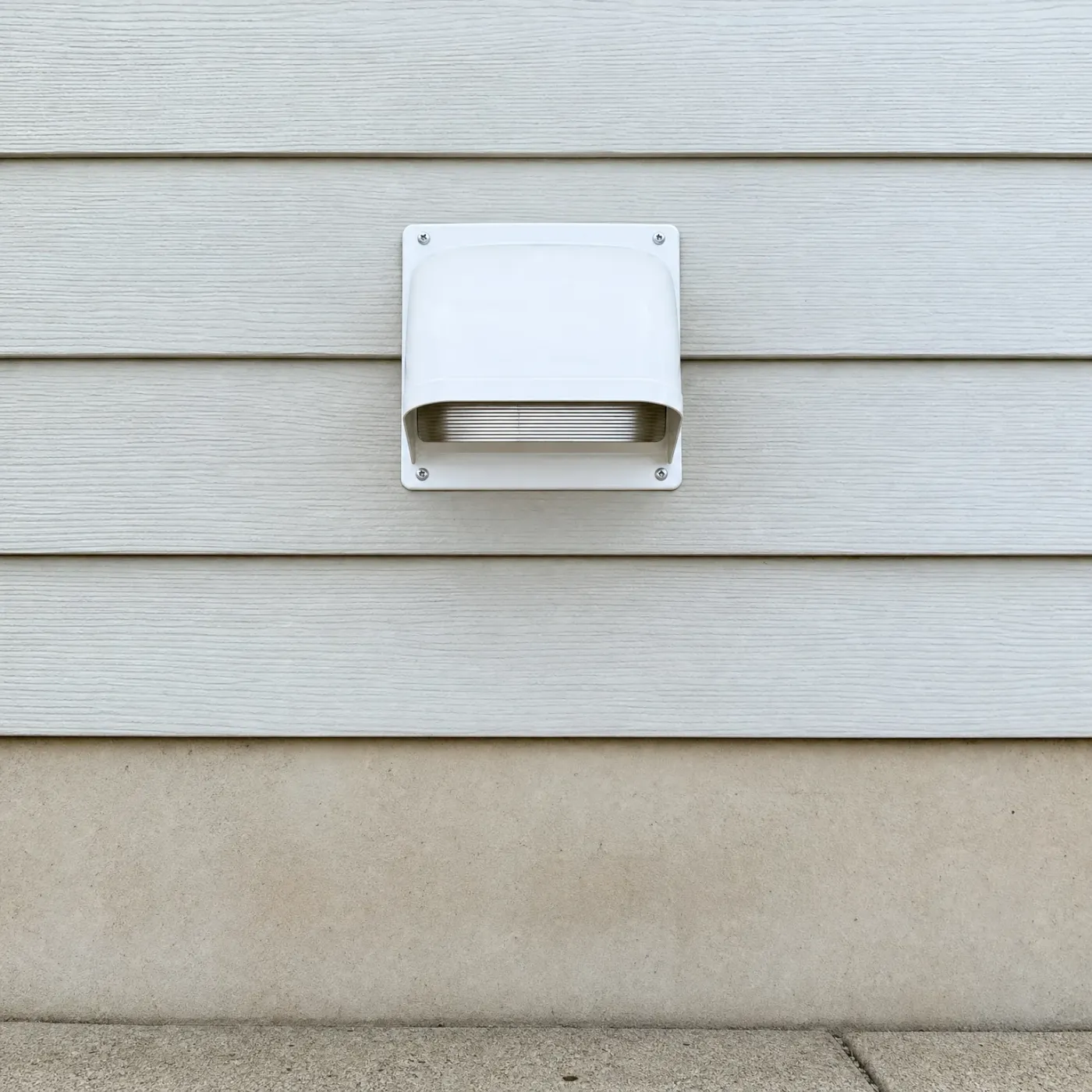
Vent working normally
Air pushes the hood flap open every time the dryer runs, and it swings shut again once the cycle ends. Nothing collects on the louvers. A load of towels finishes in one cycle, because the exhaust has a clear path out.
A dryer that runs two or three cycles for one load of towels is telling you the vent is choked somewhere between the drum and the outside wall. In Brooklyn, that often means a long run through a shared wall or down a narrow lightwell, with more bends than the duct was ever meant to have. Lint builds up at every turn until the moist air has nowhere to go, and your dryer just keeps heating against it. Left alone, that's a longer wait for dry clothes and a warm, damp smell every time you open the door. You don't have to track down who clears vents like this, check who's licensed in Kings County, or sit on hold explaining the same problem three times. Send the form and a contractor who handles dryer vent cleaning in Brooklyn takes it from there. No more calling around, no more comparing quotes from people you can't picture showing up. Once it's sent, this is off your list.
A dryer that takes two or three cycles to finish one load usually isn't broken. It's breathing through a blocked vent. Lint builds up inside the duct over time, and once it narrows the path, hot wet air has nowhere to go, so the dryer just keeps running without actually drying. In a lot of Brooklyn buildings the vent run is long, cutting through a shared wall or down a narrow airshaft to reach outside, with several bends along the way. Each bend is a place lint catches and builds. A dryer stuck fighting that kind of run shows up as high as the gas or electric bill, hotter laundry room air, and clothes that still feel damp coming out. Left alone, a blocked vent is also a fire risk, since trapped lint is what it catches on. The fix isn't a new dryer. It's clearing the vent from the drum all the way out to the wall cap, which usually brings drying time right back down.




2.56 people per household on average
A household here runs 2.56 people's worth of laundry through that vent on average, and every load pushes more lint into the duct.
Half the homes here were built by 1944
Half the homes in Kings County were built in 1944 or earlier, and an older vent run often means more bends and more places for lint to catch.
Power here costs 36.97 cents per kilowatt-hour
Power here costs 36.97 cents per kilowatt-hour, so a dryer fighting a clogged vent and running extra cycles costs more every time you dry a load.
ACS 2020-2024 · EIA-861 2025

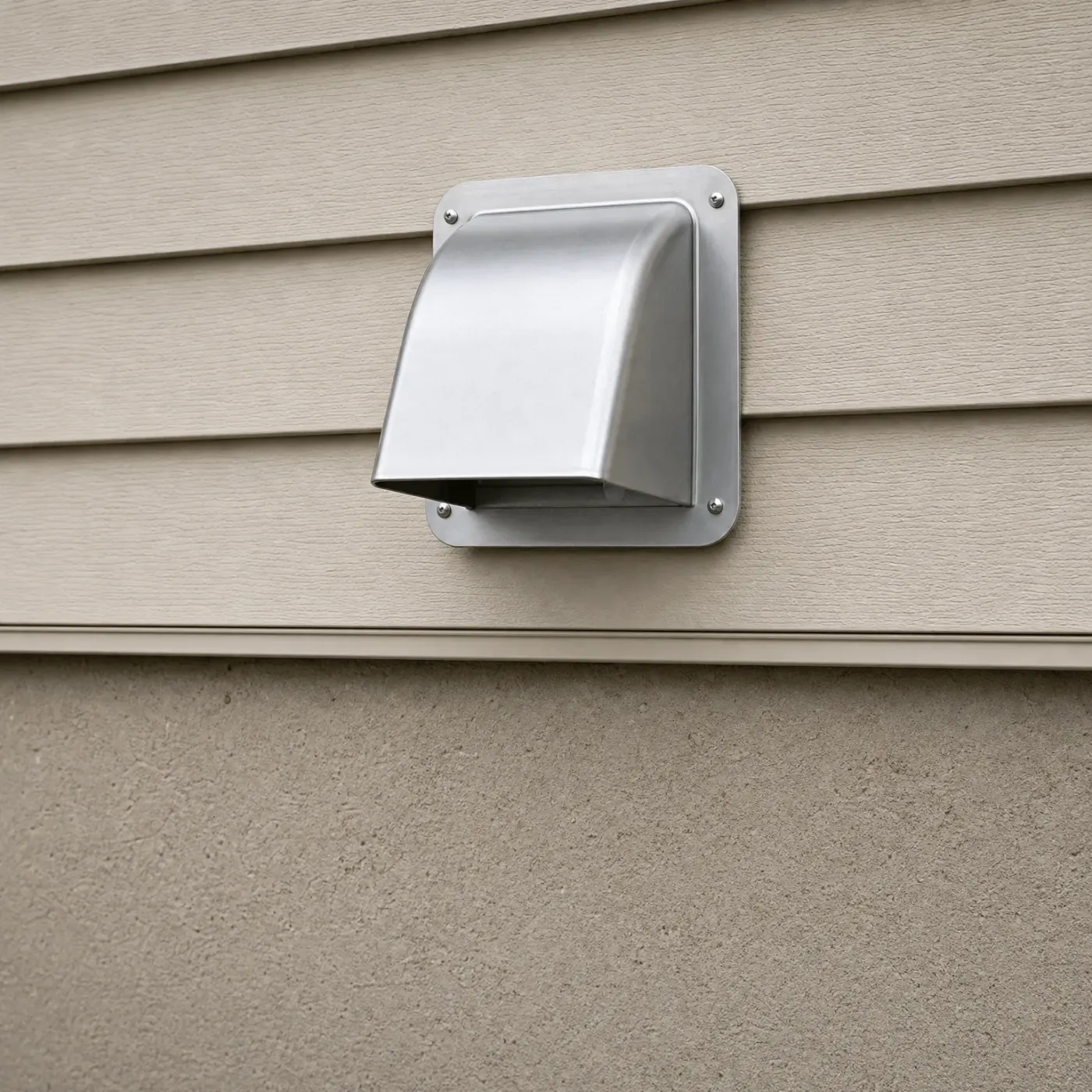
A dryer vent that's clear lets a load of towels finish in one cycle, maybe a bit longer for something heavy. Air moves straight out through the hood, and the hood flap swings open while it runs. Touch the outside wall near the vent and you'll feel warm air pushing out steady, not a weak trickle. The laundry room doesn't turn muggy halfway through a cycle. Nothing smells hot or burnt.

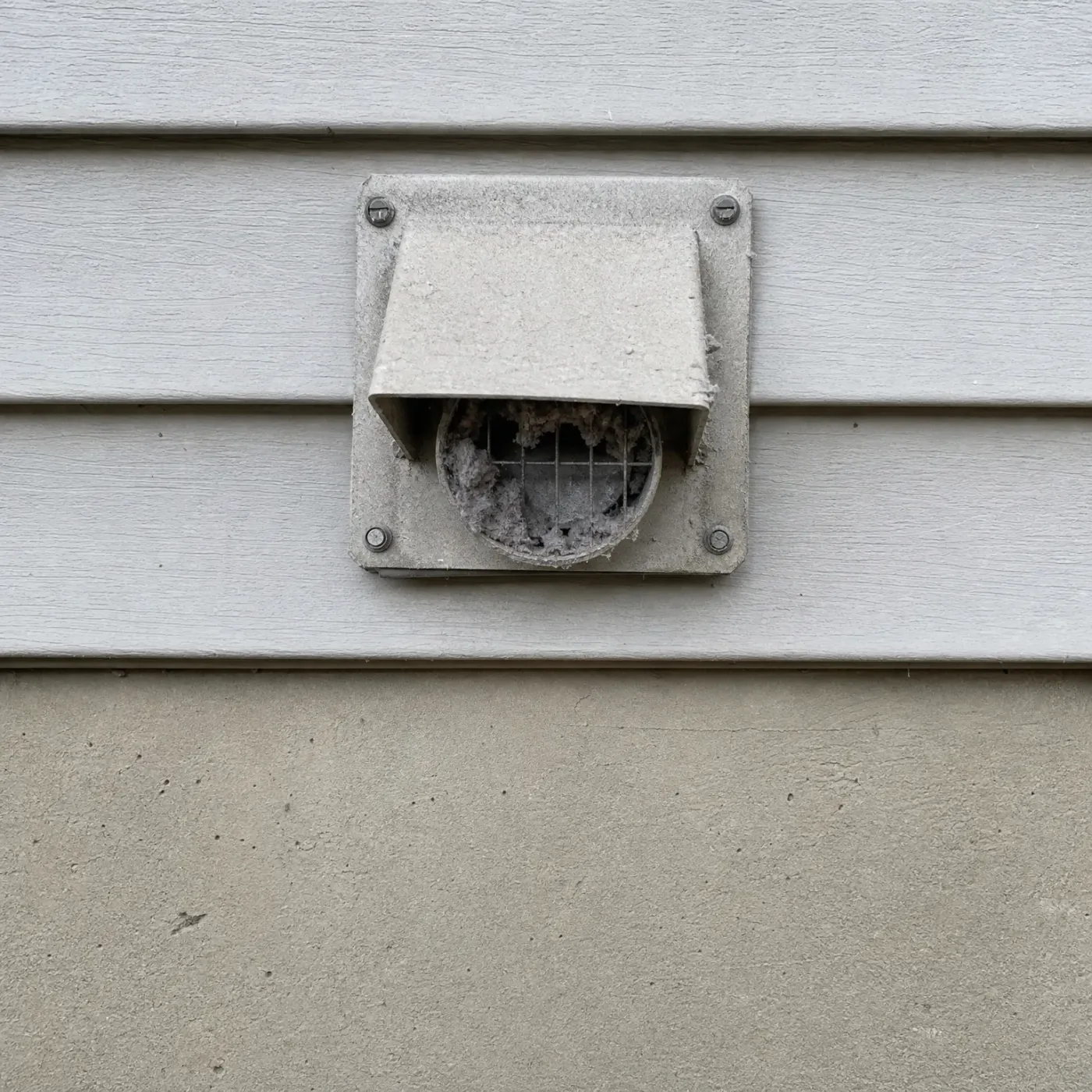
A choked vent still turns the drum but the air it needs can't get out. Lint has narrowed the duct somewhere along the run, so the hood flap barely lifts, or doesn't move at all. Clothes come out warm but still damp, and you run the cycle again, and sometimes a third time. The room itself heats up and feels thick with moisture. Left alone, the lint packed into that duct is also fuel sitting next to a heat source.
2.56 people in a household means laundry most days, not once a week. Every one of those loads pushes lint further down the duct, so a vent that was clear in spring can be choked by fall if nobody's checked it.
ACS 2020-2024
Air pushes the hood flap open every time the dryer runs, and it swings shut again once the cycle ends. Nothing collects on the louvers. A load of towels finishes in one cycle, because the exhaust has a clear path out.
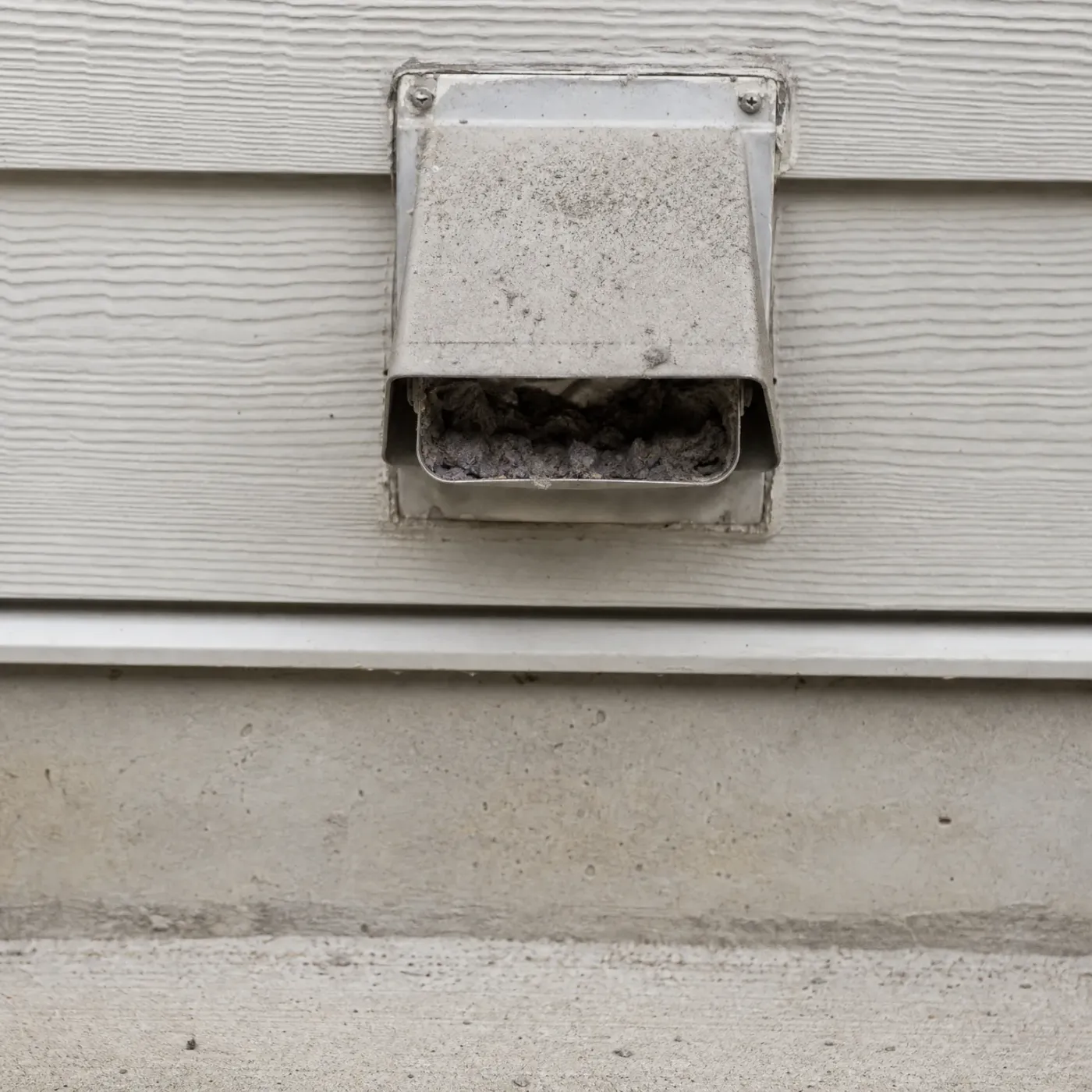
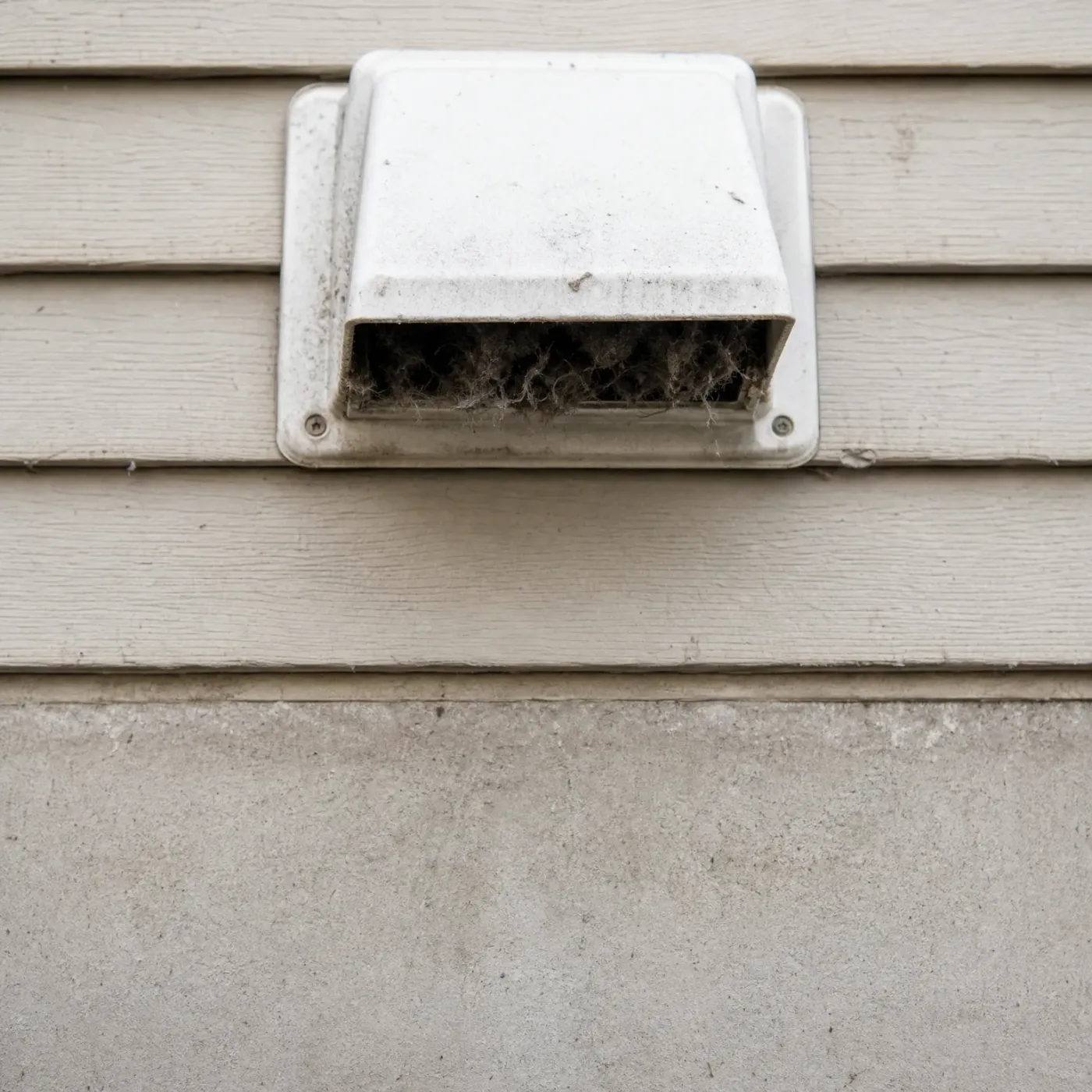
Lint has built up across the flap until it barely opens, and what air does get out carries wet heat back toward the siding instead of away from it. A dryer fighting this kind of blockage runs long, and the lint sitting right at the opening only grows with every load.
Skip searching for someone who cleans dryer vents in Kings County.
One request and the dryer vent cleaning stops waiting on you.
You only hire the pro if you want to.
You've noticed the flap on the outside vent hood doesn't move at all while the dryer is running a load. It used to swing open and you could feel warm air coming out. Now there's nothing, or barely a flutter, and you're trying to figure out what that means before you assume the dryer itself is broken.
The flap only opens because air is pushing it from inside the duct. If it stays shut, that air isn't making it to the end of the vent. Somewhere between the drum and the outside wall, lint has built up enough to block most or all of the airflow, and what's left isn't enough to move the flap. This matters more in a vent with several bends or a long run through a shared wall, which is common across Kings County, since each turn gives lint another place to settle. A dryer running against a shut flap is pushing hot, damp air back into the duct instead of outside, which is why towels that used to finish in one cycle now take two or three.

It's past eight on a Tuesday and you've already run the towels twice. You pull them out again, still damp at the fold, and drape them back over the dryer door to go a third round. The laundry room's warm from all that running, the air a little close the way it gets in a small room with no window. You rest a hand on top of the dryer and the heap of towels there is heavier than it should be, almost the weight you started with. Somewhere behind the machine, the vent run disappears into the wall, and whatever's happening in there isn't your problem to see, just one more cycle to wait out before bed.
Pull a load out and the towels are warm but not dry, especially in the folds. You run it again and the clothes come out hot to the touch, the way they shouldn't after drying. The outside of the dryer might feel warmer than usual, and the room itself holds onto heat and a damp, warm smell longer than it used to. Check the lint screen and it looks clean, which tells you the blockage is further down the line, not at the trap. Left alone, that trapped heat and moisture sit in the duct after every load, and lint packed in a space that stays warm and wet is what a dryer fire starts from.
Lint builds up inside the duct with every load you run.
The narrowed duct traps hot, wet air inside the dryer drum.
The dryer senses moisture and starts another cycle to compensate.
A tech runs a brush through the duct from both ends.

A dryer that needs two or three cycles for one load isn't failing. It's blocked. Clear the duct and the first sign is simple: one cycle gets clothes dry again, and the laundry room stops feeling so warm and close.
Finding someone who clears vents properly in Brooklyn, checking they know what a long run through a shared wall or a narrow lightwell takes, calling around and explaining the same thing twice over the phone, that's the part that wears on you more than the laundry does. Once you send the form, that search isn't yours to do anymore.



Let someone else find the pro
Describe your dryer vent job once, to one pro.