






Birds nesting in a dryer vent in New York

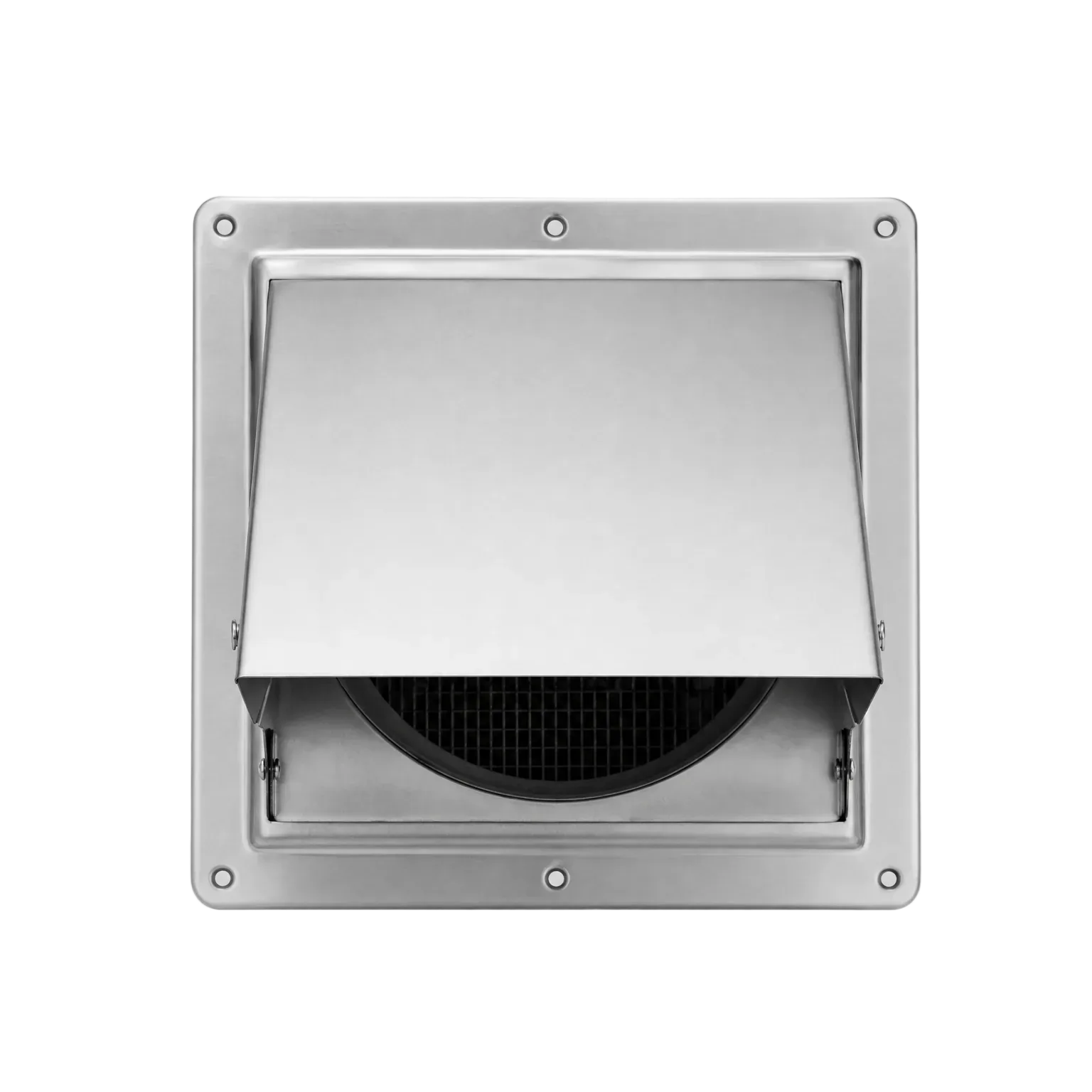
A square stainless steel wall vent hood with a hinged flap cover and a round mesh-screened duct opening, shown centered against a plain light gray background.
Start one form

Why do birds keep building nests in my dryer vent?

You keep finding twigs and dryer lint packed into the vent cover outside your house, or you've noticed chirping coming from the wall near the dryer. It's not a one time thing either. You clear it out and a bird is back in a week, building again. You want to know why your dryer vent in particular keeps drawing them in and whether there's a way to make it stop for good.

Your dryer vent looks like a ready-made nest box to a bird

A dryer vent opens to the outside, stays dry, and blocks wind and rain, which is exactly what a bird looks for in spring when it's building a nest. Sparrows and starlings are the usual culprits in New York, and they'll keep coming back to the same opening year after year once they've nested there. The flap on most vent covers is light enough for a bird to push open, and once a nest is packed in behind it, that flap can't close all the way. Lint caught in the nest is a fire risk, and a blocked vent forces your dryer to run longer to dry a single load, which adds to a power bill that's already high here. Clearing the nest out is only part of it. Without a guard that keeps birds out while still letting the vent flap work, the same spot gets built in again.

A metal hooded dryer or exhaust vent mounted with screws on gray horizontal lap siding, beside a plain off-white wall surface.

Why the flap matters

Most outside vent covers use a flap or louver that's supposed to swing open when the dryer runs and close the rest of the time. If that flap is bent, stuck, or missing, the opening stays exposed. Sparrows and starlings look for a small, sheltered gap to build in come spring, and a vent that doesn't seal shut after each load gives them exactly that. A vent cleaning checks whether the flap still closes on its own.

A white metal hooded exterior vent screwed to a square backing plate on light gray horizontal lap siding, with a blank off-white wall filling the left half of the frame.

What a blocked vent does

A dryer vent packed with nesting material can't move air the way it should. The dryer still runs, but the moist air it's pushing out has nowhere to go, so it backs up into the duct and sometimes into the room. Lint and nest material are both flammable, and dryer vent fires are one of the more common causes tied directly to blocked venting. Clearing the duct removes the nest along with the lint that builds up around it.

Leave the Nest or Clear the Vent

Leave it alone

  • The nest stays put and so does the blockage, which means the dryer keeps pushing hot moist air against a wall of twigs instead of outside.
  • Lint trapped behind the nest has nowhere to go, and lint is what catches fire inside a vent run.
  • A dryer working against a blocked vent takes longer to dry a load, and in New York, where power costs more than most places, that shows up on the bill.
  • Birds often return to the same spot once they've built there, so next spring you're dealing with it again.
  • The flap stays jammed open or shut, so the vent keeps letting in whatever else wants a way inside, mice included.

Get it cleared and fixed

  • A contractor who services vents in New York every season knows to check the flap itself, not just pull out what's nested inside it.
  • Clearing the vent restores proper airflow, so the dryer isn't straining to push air through a packed duct.
  • Fixing or replacing a stuck flap closes the opening birds were using, so the problem doesn't just come back with the next nesting season.
  • One local contractor handles the whole job, so you're not fielding calls from three different companies or explaining the same thing twice.
  • You skip the part where you'd otherwise be searching around and comparing quotes just to get someone out to look at a vent cover.
A smiling woman with long dark hair in a gray sweater sits at a white stone counter with a glass of white wine, with a kitchen, fireplace and sofa visible behind her.
A smiling woman with dark hair in a cream sweater sits at a marble table with a glass of red wine, with a lit lamp, sofa, fireplace and kitchen counter behind her.
A woman in a cream sweater laughs while seated at a marble countertop with a glass of red wine, with a dimly lit living room and sofa behind her.
A woman in a beige turtleneck sweater with her hair up sits laughing and looking to the side at a white marble table with a glass of red wine, in a dimly lit interior with a lamp and seating area behind her.

Skip calling around

Your dryer vent cleaning request goes to one local pro.

There's no charge for the request.

What a blocked vent does to the dryer

When the vent is packed with a nest, the dryer has nowhere to push the hot, damp air it makes. Loads take longer to dry, so you end up running the dryer twice for the same basket of clothes. The drum and the heating element keep working past the point where the clothes are actually dry, because the moisture has nowhere to go. With electricity priced the way it is here, a dryer running extra cycles every week shows up on the bill. The lint behind the nest just sits there, since it can't vent out with the airflow blocked.


What it risks inside your walls

Lint is the most flammable thing in a dryer vent, and a bird's nest gives it something to pack against instead of blowing outside. That buildup sits right behind the wall near your laundry room. A dryer that's forcing air against a blockage also runs hotter than it should, for longer than it should, cycle after cycle. Add in New York summers, when the house is already holding onto moisture, and a vent that can't exhaust properly leaves damp air with nowhere to go but back into the room or trapped in the wall cavity around the vent run.

A smiling middle-aged man in a dark green sweater sits at a candlelit table with wine glasses and a plate of greens in a dimly lit interior.
A woman in a dark knit turtleneck sweater reclines on a couch under a cream knit blanket, looking down at an open book, with a lit table lamp and framed pictures behind her.

Spring nest versus fall nest

A nest built in April or May means the birds are still active, sitting on eggs or feeding chicks, and some species are protected, so pulling it out yourself can be against the law even on your own property. A contractor who deals with this every spring knows which birds are nesting locally and how to check before touching anything. A nest you find in October or November is almost always empty, the birds gone for the year, and there's no legal question about clearing it. Either way the vent still needs the nest removed and the flap fixed, but the spring case takes more care and sometimes more time before the work can even start.

One visit instead of a search

Finding someone who'll deal with a bird nest instead of just a lint clog takes a few calls, since not every duct cleaner wants to handle a vent that's packed with twigs and droppings. A local contractor who works on vents all year has already seen this exact problem down the street and knows whether a cage needs to go over the vent hood after the nest comes out, not just whether the duct needs vacuuming. One contractor comes out, looks at the vent and the flap, and tells you what's wrong, instead of you explaining the chirping and the lint buildup to three different companies and sorting through what each one quoted.

Power costs 26.39 cents per kilowatt-hour statewide

At 26.39 cents per kilowatt-hour, every extra cycle costs you more here than almost anywhere else. A dryer fighting a nest full of twigs runs long and runs twice, and you feel that on the bill before you ever see the vent cover.

EIA-861 2025 statewide residential average

A white louvered dryer vent hood mounted with four screws on beige horizontal lap siding above a gray stucco foundation and concrete walkway.

A clear vent, open and working

This is what the hood should look like. The louvers hang loose and swing open when the dryer kicks on, then fall shut when it stops. Air moves straight out, no resistance, no place for a bird to land and start piling twigs.

A white plastic dryer vent hood mounted on beige horizontal vinyl siding, with lint clogging its lower opening and a concrete foundation below.

A vent packed with lint and nesting

This cover is clogged solid, the opening buried under gray lint fibers. A contractor who clears this pulls out the nest material, the trapped lint behind it, and checks that the flap still swings free once the vent run is clear.

A dryer vent with a nest in it does not clear itself, and it does not get safer to ignore. The fix is someone opening up that vent run, pulling the nest and the lint packed around it, and putting a flap back that actually swings shut. That's not a job to sort out by calling around to a handful of companies and explaining the chirping and the twigs to each one. A local contractor who clears vents all season knows the difference between a spring nest with chicks still in it and an old one from last fall, and knows which hood covers on New York houses tend to lose their flap first. You get matched with one contractor, not a list of five waiting on a callback, so the person who shows up already knows what they're walking into. Once that nest is out and the flap works again, the dryer vents the way it's supposed to and the vent cover outside stays clear.

A single-story stone-clad house with low-voltage path lights along a gravel bed and lawn at dusk, with a tree line and orange sky on the horizon.

Dryer Vent Cleaning

Describe it once

Duct and vent cleaningNew York
Step 1 of 3

What kind of equipment?

  • A living room corner with a beige upholstered armchair holding a green pillow and knitted throw, a ceramic table lamp on a side table, white built-in bookshelves, a framed landscape print, a curtained window, and a round wooden table with a lit candle and bowl in the foreground.
    • A local pro who cleans dryer vents gets in touch with you.
    • Your dryer vent cleaning request goes to a local pro who does this work.
  • A lit table lamp with a tapered beige fabric shade and a speckled rounded ceramic base sits on a wooden surface beside a potted plant, with curtains and a window in the background.
    • Send the form and the dryer vent cleaning stops sitting on your list.
    • Send the request and finding a pro stops being your problem.
  • A cream upholstered armchair with a gray pillow and knit throw sits beside a wooden table with a eucalyptus-filled vase, in front of a lit stone fireplace with stacked firewood.
    • Skip calling around for someone who cleans dryer vents.
    • Answer a few questions about the dryer vent cleaning and skip the search.
  • A gray outdoor air conditioner condenser unit on a concrete pad beside a wood-sided wall, with a horizontal wood slat fence, a cushioned patio chair, a wooden table, and a potted green plant nearby.
    • Your request stays with one local pro.
    • Your request goes to one pro, not a list of companies.






