


Musty smell from vents in Bronx, NY

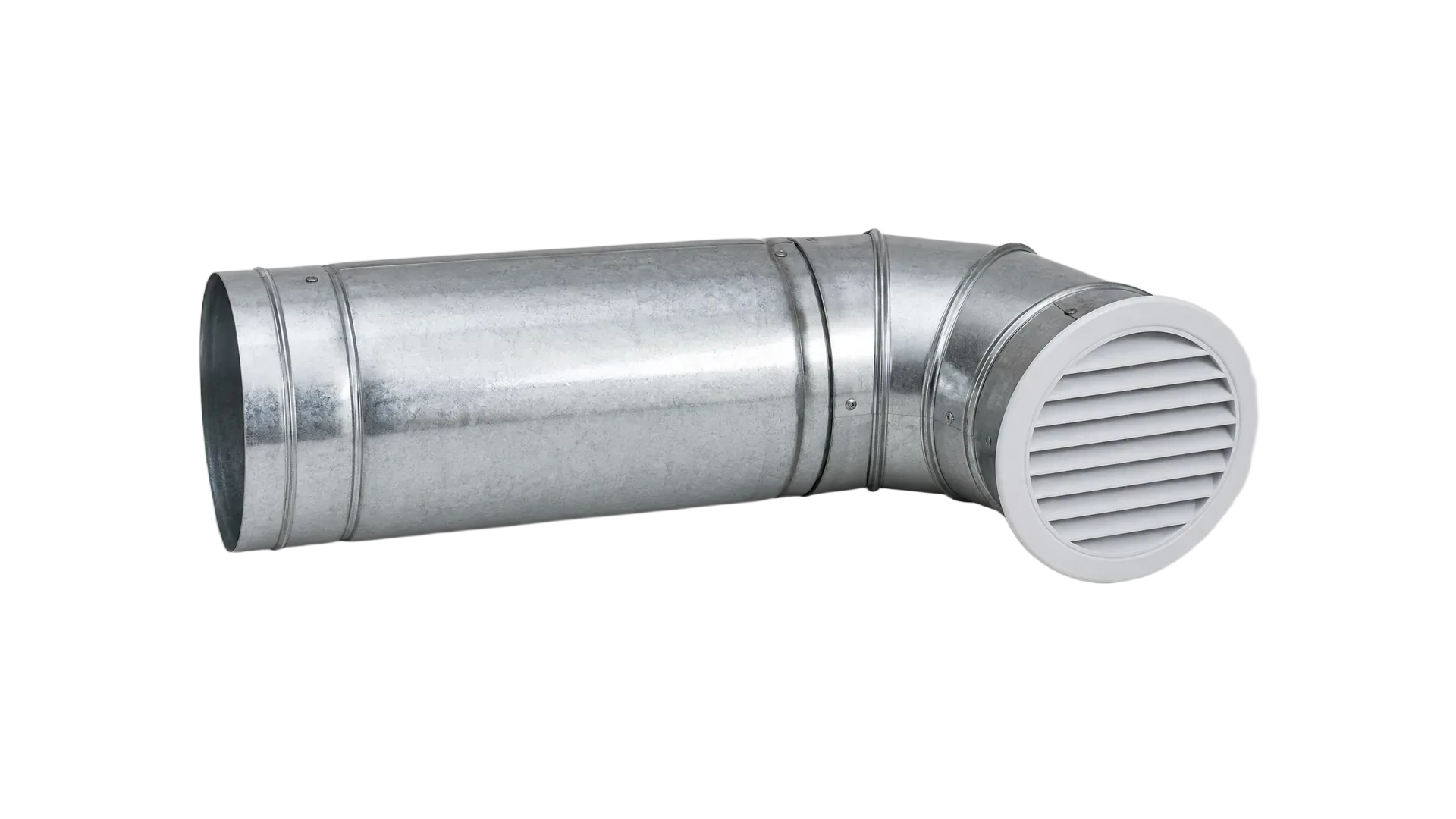
A galvanized steel round duct with a 90-degree elbow and a white louvered vent cover on one end, shown against a plain gray background.
Skip the calls

Why do my vents smell musty in my Bronx home?

You notice it when the AC kicks on, or when the heat first runs after months off. A damp, stale smell coming out of the vents, maybe worse in one room than another. It is not dangerous to notice, but it is not nothing either, and you want to know what is actually causing it before it gets worse or spreads through the house.

That smell is mold or mildew growing inside your ductwork

Moisture sits in your ducts after the AC runs, since cooling pulls humidity out of the air and some of it stays behind on the coil and the duct walls. Summers here get sticky enough that this happens most days from spring through early fall. Dust and dirt in the ductwork give mold something to feed on, and once it takes hold it keeps growing every time the system cycles. The smell usually points to a dirty coil, a clogged drain line, or buildup inside the ducts themselves. It will keep coming back on its own, because the moisture that feeds it comes back every time you run the AC. Cleaning the ducts and coil removes what the mold is growing on, not just the smell.

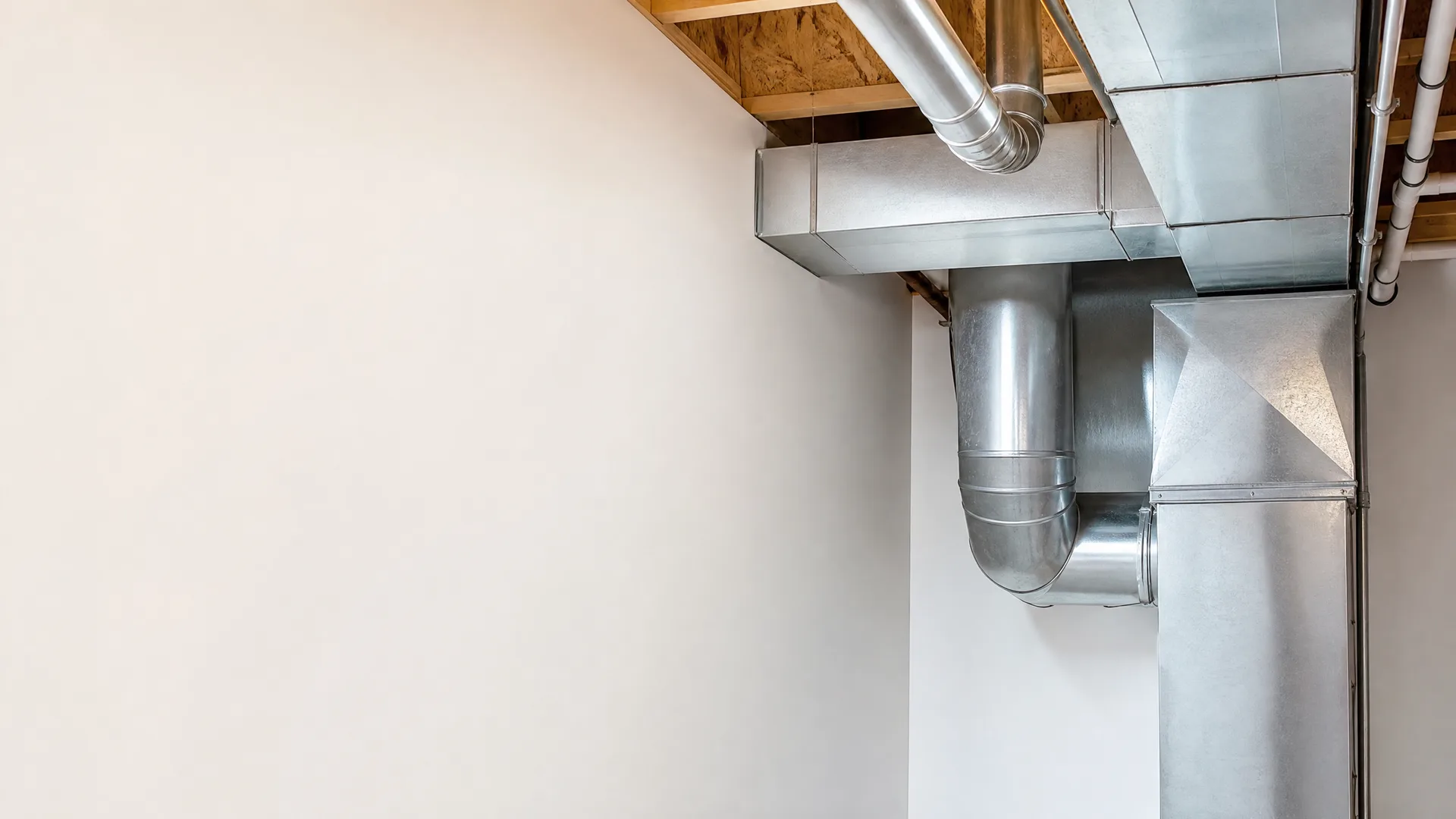
Galvanized sheet-metal ductwork and pipes running along an unfinished basement ceiling beside a plain beige wall, with a gray equipment cabinet below.

Where the moisture collects

Your AC pulls humidity out of the air all summer, and that water has to go somewhere. It drips into a pan under the coil and drains out through a condensate line. If that pan sits damp between cycles, or the line drains slow, you get standing water next to a cold metal coil in a dark duct. That combination grows mold whether your filter is clean or not. A clogged drain line is one of the most common reasons the smell shows up every August.

Galvanized sheet metal rectangular and round HVAC ducts running along a ceiling and down a white interior wall, with exposed wood joists and subfloor above.

Why it fades, then returns

Once heat runs in the winter, the ducts dry out and the smell often disappears for months. That is why it can seem tied to one season. But the ductwork itself does not clean itself between uses. Dust and whatever spores settled into the lining over summer sit there through the cold months, and when the AC starts pulling humid air through those same ducts again next year, it has the same damp surface to grow on, often in the same spot.

Why does this keep happening in my Bronx duct system?

  • Half the homes here were built by 1955

    Half the homes in Bronx County were built in 1955 or earlier. Ductwork that old has had decades to collect dust and moisture in places you can't see or reach.

  • Heat runs October through April

    Heat runs here from October through April. That's seven months of warm, dry air pushing through the same ducts, which can bake old odors in instead of airing them out.

  • Cooling runs June through September

    Cooling runs June through September. Four months of the system pulling humidity out of the air is four months the ducts stay damp enough for the smell to take hold again.

ACS 2020-2024 · NOAA nClimDiv 1991-2020

Leave it and open the windows for a while. The smell backs off, the duct stays wet where you can't see it, and the smell comes back the next time the system runs.

Have the ducts and coil cleaned out. The moisture that's feeding the smell gets removed instead of aired out, so the next humid stretch or cold snap doesn't bring it back.

A smiling bearded man in a dark sweater sits at a dinner table with lit candles, a glass of red wine, and bowls of food, in a dimly lit room with a lamp and houseplant behind him.
A woman with dark hair in a bun sits on a beige sofa under a knit blanket with her eyes closed and an open book in front of her, with a lit lamp and houseplant in the background.

What you're breathing all summer

Every time the AC cycles on, that air moves across the same damp coil and through the same ducts before it reaches your bedroom or kitchen. If mold has taken hold in there, you're pulling it into the room for the hours the system runs, which in a Bronx summer is most of the day. People with allergies or asthma in the house usually notice first, a stuffy nose or a cough that eases up when they leave for work and comes back by evening.


What it does to your system

Mold and dust buildup inside the ducts makes the blower work harder to push air through, and a coil coated in grime doesn't transfer heat the way a clean one does. Your system runs longer to reach the same temperature, which shows up on the power bill, and power here already costs more than most of the country. Left alone through another summer and another heating season, the buildup only grows, and whatever's driving the smell keeps driving the bill up with it.

A smiling woman with long brown hair in a cream sweater sits at a stone counter with a glass of red wine, with a dimly lit living room, beamed ceiling and glass doors behind her.
A woman with shoulder-length dark wavy hair in a beige sweater laughs while looking off to the side, seated at a white marble counter with a glass of red wine, in a dimly lit home interior with a kitchen and sofa in the background.
A smiling woman with long dark hair in a black sweater sits at a white marble counter with a glass of red wine, in a dimly lit kitchen and living area with pendant lights, a potted plant, and flowers.
A smiling woman with long brown hair in a light knit sweater sits at a stone-topped counter with a glass of white wine, with a dimly lit living room, sofa, fireplace and round mirror behind her.
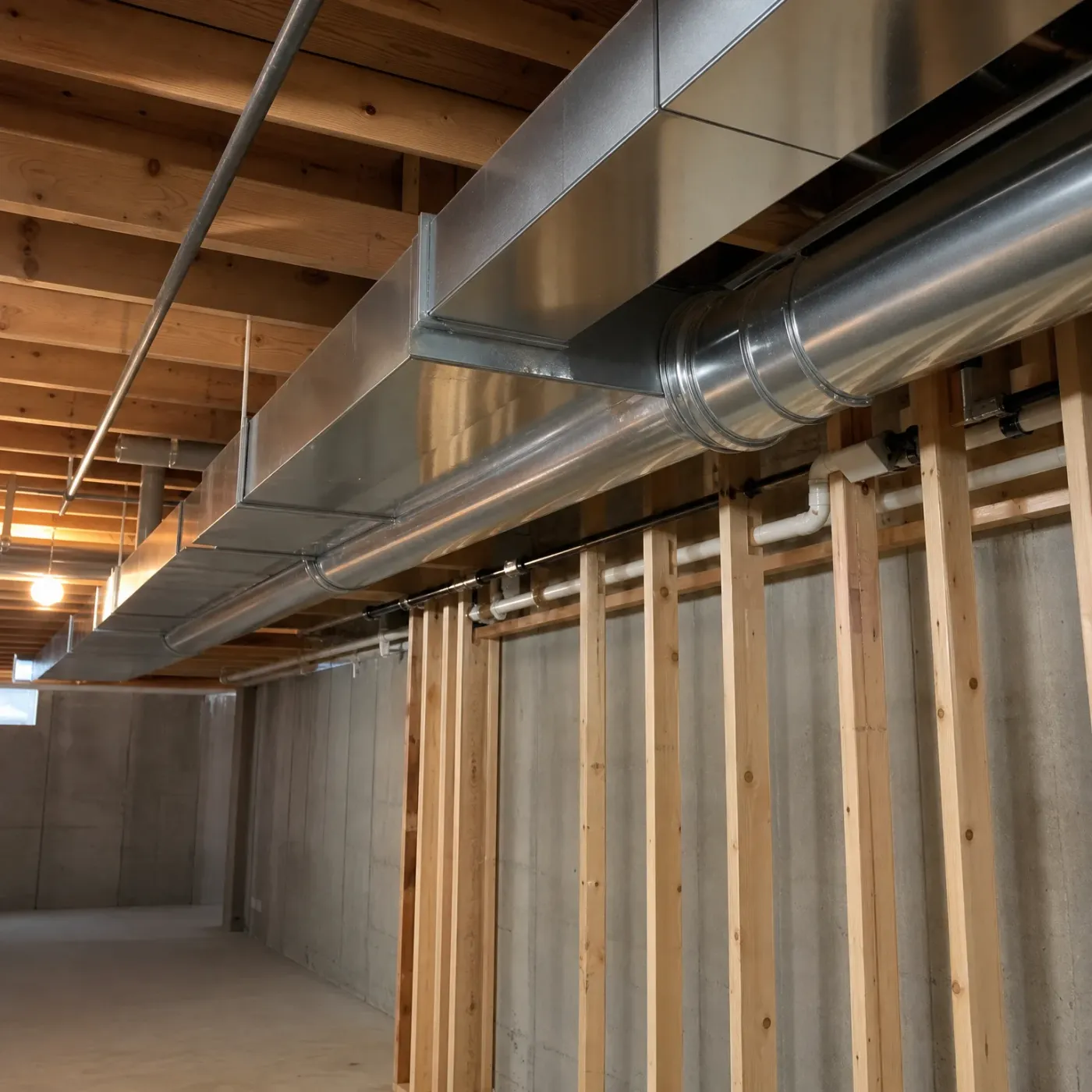
Unfinished basement with exposed wood joists, galvanized rectangular and round ductwork, piping, stud framing against concrete walls, and a bare hanging light bulb.

No calling every shop in Bronx County

The pro who gets in touch is licensed in New York and works in Bronx County.

Answer a few questions about the duct cleaning and skip the search.

Answer a few questions

No charge to send it. You decide if you hire them.

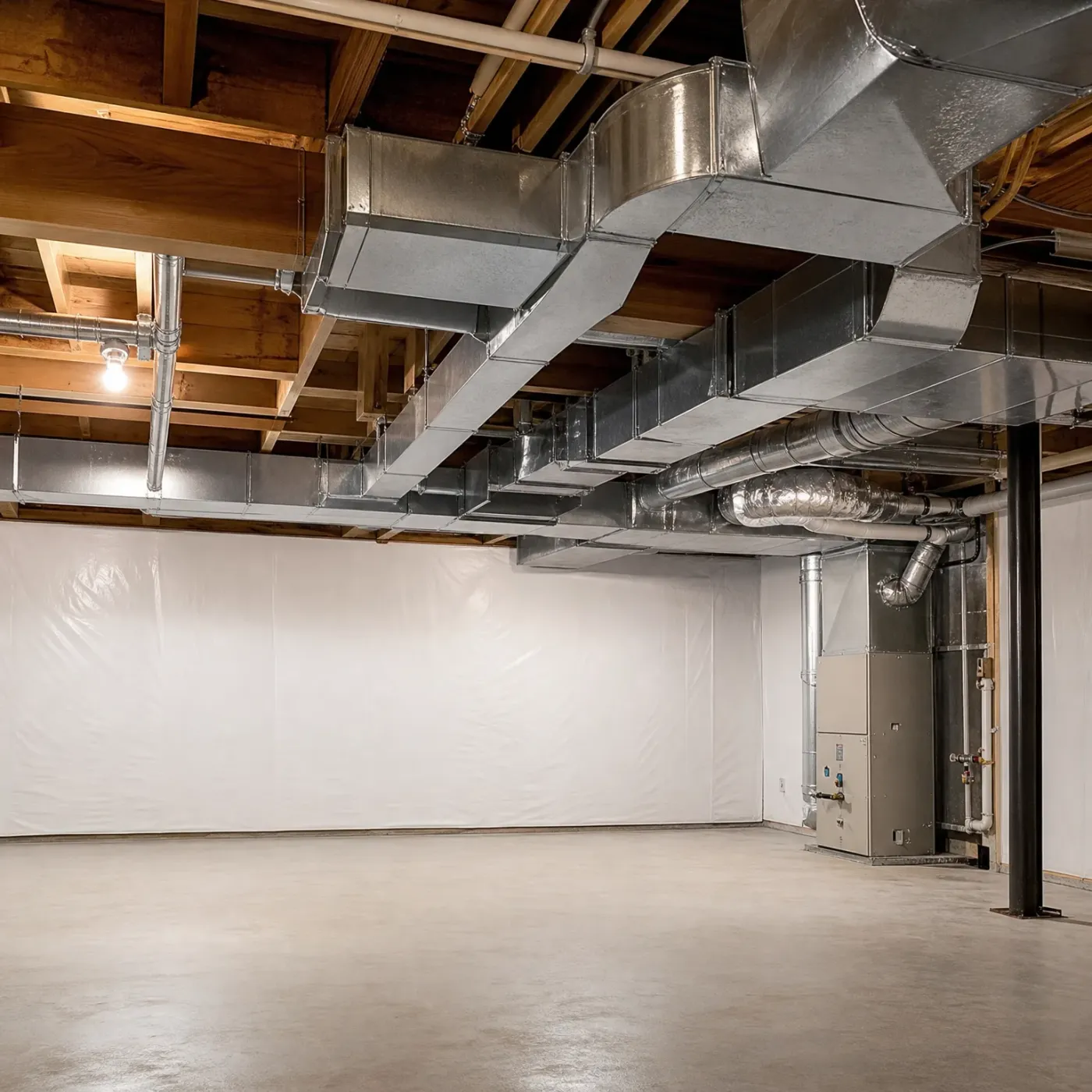
Empty basement with bare concrete floor, white plastic sheeting over one wall, exposed wood joists, galvanized sheet-metal ductwork and pipes overhead, and a furnace unit with a steel support column at right.
Metal ducts routed tight along the joists, dry inside, moving air the way they were set up to.
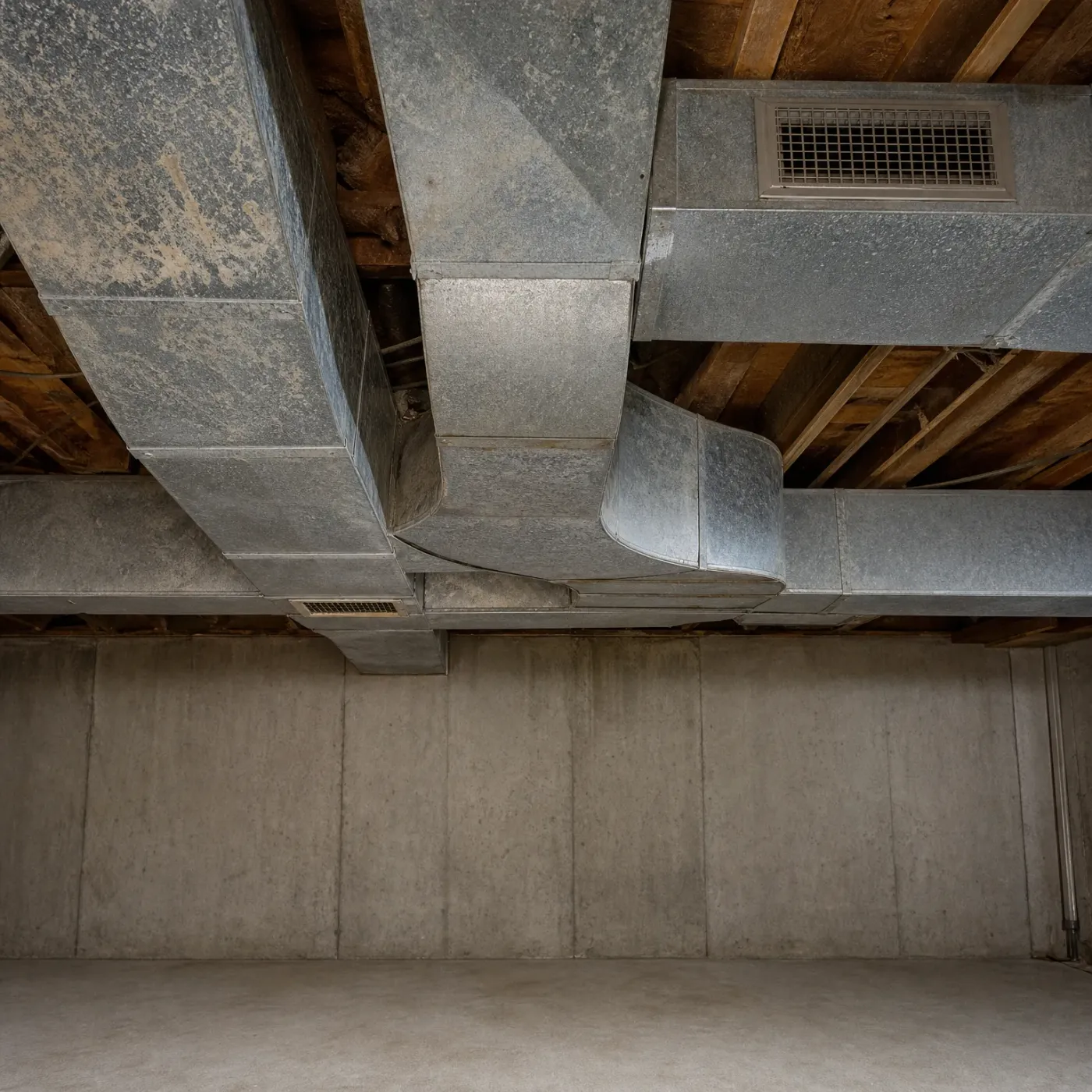
Galvanized sheet metal HVAC ducts with vent grilles run along a wooden floor joist ceiling above bare concrete walls and floor in an unfinished basement.
The same layout gone damp inside, where mold gets a hold and the smell starts at every vent downstream.
  1. A technician checks the drain pan and condensate line for standing water.

  2. A camera or inspection finds mold growth along the duct walls.

  3. The evaporator coil gets cleaned so moisture stops collecting there.

  4. Ducts are brushed and vacuumed from the inside, section by section.

Finding Help vs. One Call

Call around yourself

  • You contact several duct cleaning companies, describe the smell and your system to each one, and wait on quotes.
  • Every company that comes through wants to quote its own fix, so you're comparing different scopes of work, not just different prices.
  • You repeat the same details about your vents and your AC to each new caller, with no guarantee any of them know the building stock in Bronx County.
  • Scheduling falls on you, chasing down whoever answers first or whoever's cheapest, with no way to know who actually does the work well.
  • Some outfits clean ducts without touching the coil or the drain pan, so the smell can come right back even after you've paid for the job.

Get matched here

  • One request goes out and one licensed, local contractor follows up, so your phone isn't ringing with five different sales calls.
  • That contractor works on duct and AC systems like yours all season, the kind routed through old Bronx housing stock, and knows what usually causes the smell.
  • You explain the problem once, not five times, and the person who shows up already knows what to check first.
  • No side-by-side quote shuffling. You get one contractor who can look at the coil, the drain line and the ducts together, not just one piece of it.
  • The search, the calling around and the sorting through quotes is the part that goes away. The cleaning itself still takes the time it takes.
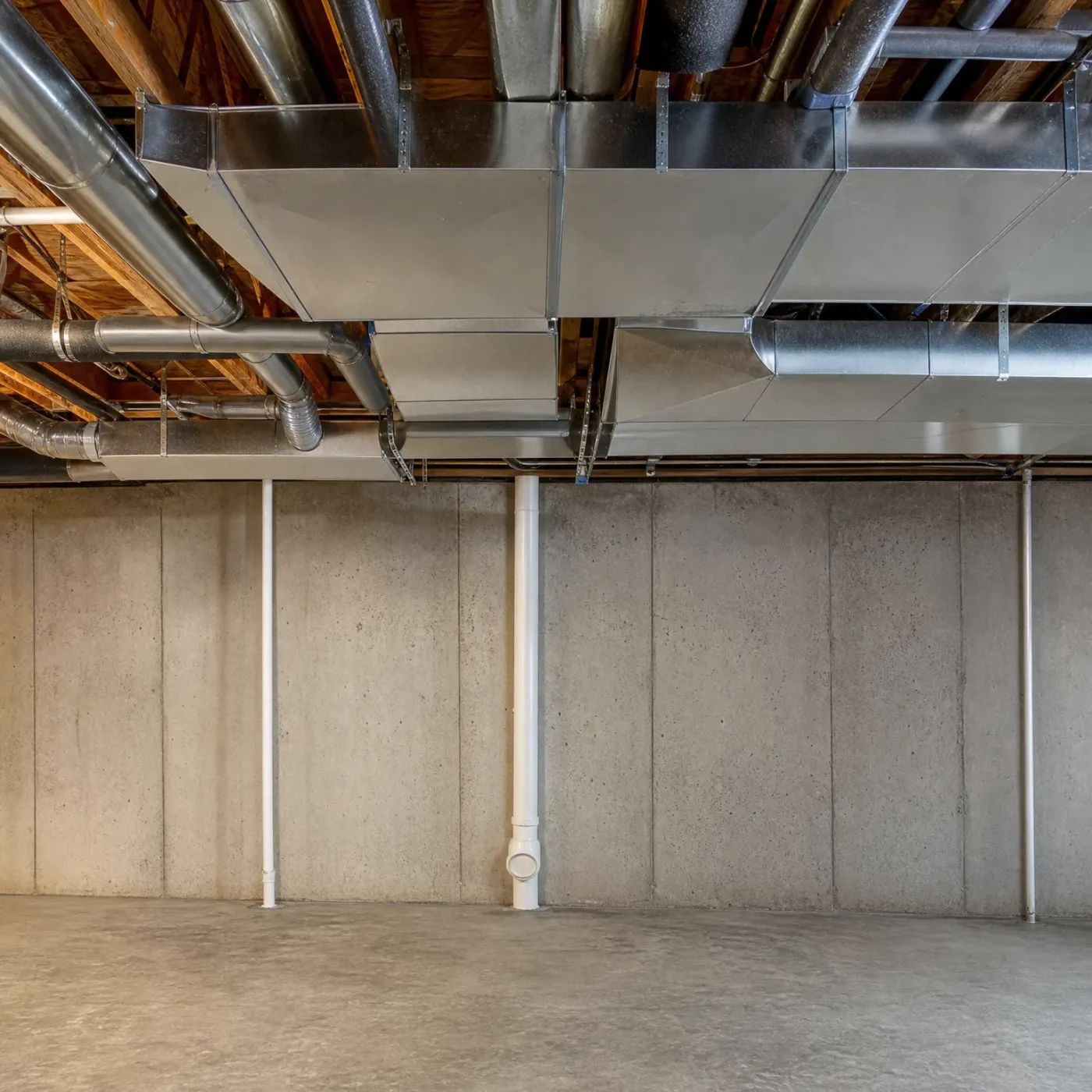
Unfinished basement with poured concrete walls, a bare concrete floor, white PVC pipes running down the wall, and exposed sheet-metal HVAC ductwork beneath wood floor joists.

Ducts dry and working

This is what sits under the joists when the system is doing its job. Metal ducts and PVC drain lines run clean through the basement, carrying air and condensate the way they were built to. No standing water, nothing growing on the walls inside.

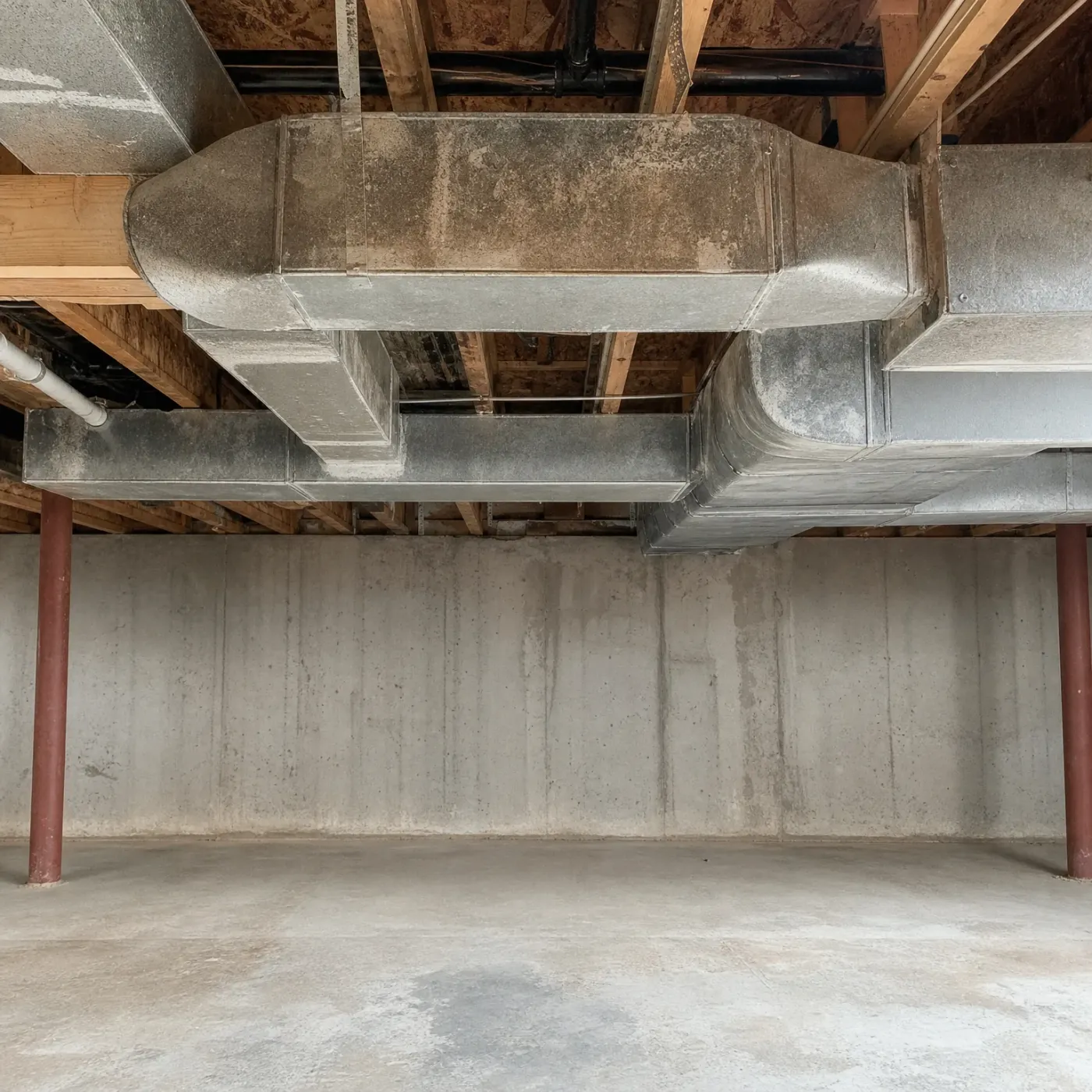
Unfinished basement with bare concrete walls and floor, galvanized sheet-metal HVAC ducts running beneath wooden floor joists, and two red steel support columns.

Ducts holding moisture

Same basement, same layout, but the ducts overhead are feeding a smell instead of just moving air. Water sitting in the pan or draining slow off the coil gets pulled through this ductwork all summer, and mold along the inside walls rides with it into every room.

A closed silver laptop and a white cup of coffee on a saucer sit on a wooden table in front of a wooden chair, a plain beige wall, a potted leafy plant and a window with greenery outside.

What that smell means for your house

That musty smell is riding on the air that reaches every room your ducts serve. Open a closet near a vent, or check the inside of a kitchen cabinet along an exterior wall, and you may notice it there too, settled into fabric and wood instead of just passing through. It tends to hang on worse in rooms with less airflow, a guest room that's shut most of the week, a finished basement with a vent in the corner.

Finding someone to deal with it is its own chore on top of that. You'd normally be describing the smell and your system to one company, then another, sitting on hold, trying to line up quotes that are actually for the same job. Here you're matched with one local contractor who works on Bronx duct systems all the time and knows what's usually behind a smell like this, so you're explaining it once, to someone who's already heard it before.

A mug and a small round vase sit on a wooden windowsill beside sheer and heavier curtains, with blurred autumn trees seen through the rain-speckled window and a sofa with cushions and a throw in the foreground.

Power here costs 36.97 cents per kilowatt-hour

At 36.97 cents per kilowatt-hour, running a dehumidifier or extra AC cycles to fight that damp smell adds up fast. Cleaning the ducts and coil so moisture stops collecting there means your system isn't working overtime just to mask a problem it can't fix on its own.

EIA-861 2025

A musty smell from your vents means moisture is sitting somewhere in your duct system, usually at the coil or the drain pan, and it will keep coming back every time the AC or the heat runs until that moisture gets cleaned out. That's the whole answer. A contractor who works on Bronx duct systems all season has seen this same problem in homes with the same old metal ductwork running under the joists, and knows to check the drain line and the coil before touching anything else. You deal with one licensed local contractor, not a string of companies each pitching a different scope of work and leaving you to sort out which quote actually fixes the smell. You already know what the smell is now, and what has to happen so it stops. The rest is getting someone out to do it.

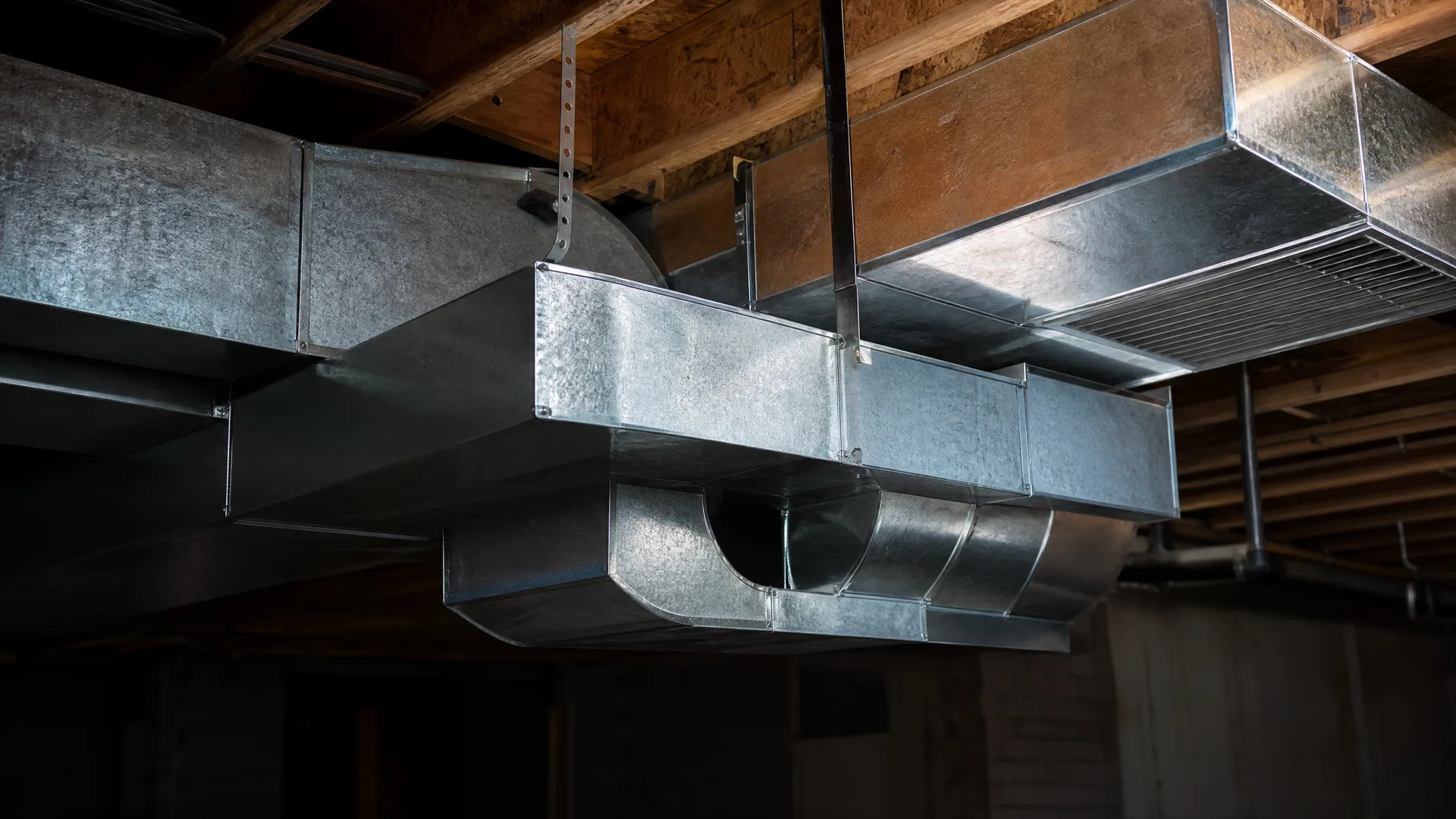
Galvanized sheet metal HVAC ductwork with rectangular trunks and round takeoffs suspended from wooden floor joists in an unfinished basement ceiling.

Skip the search

Duct and vent cleaningDucts or ventsBronx County, NY
Step 1 of 2

What ZIP code is the job in?