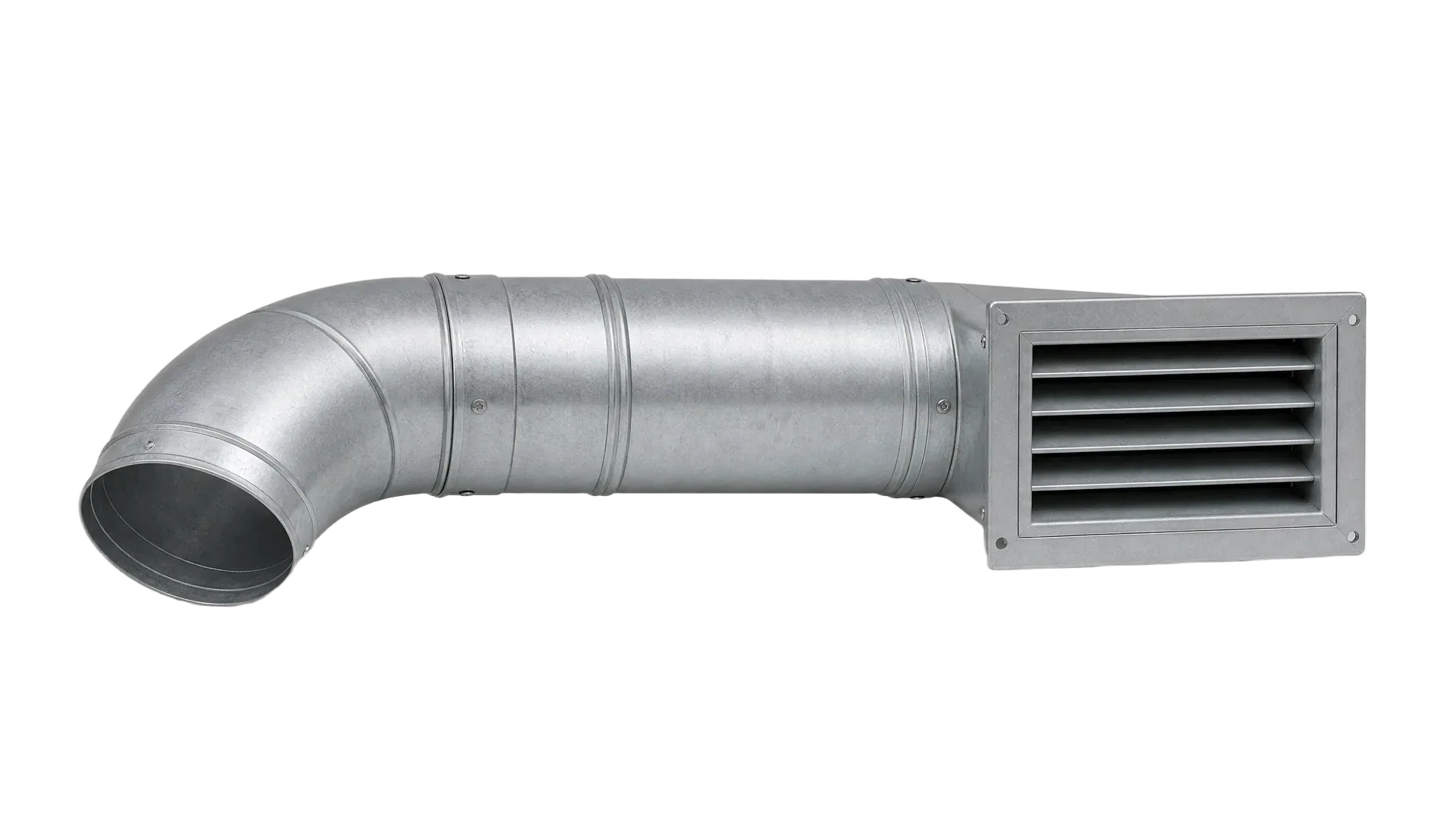
Ductwork that's just moving air
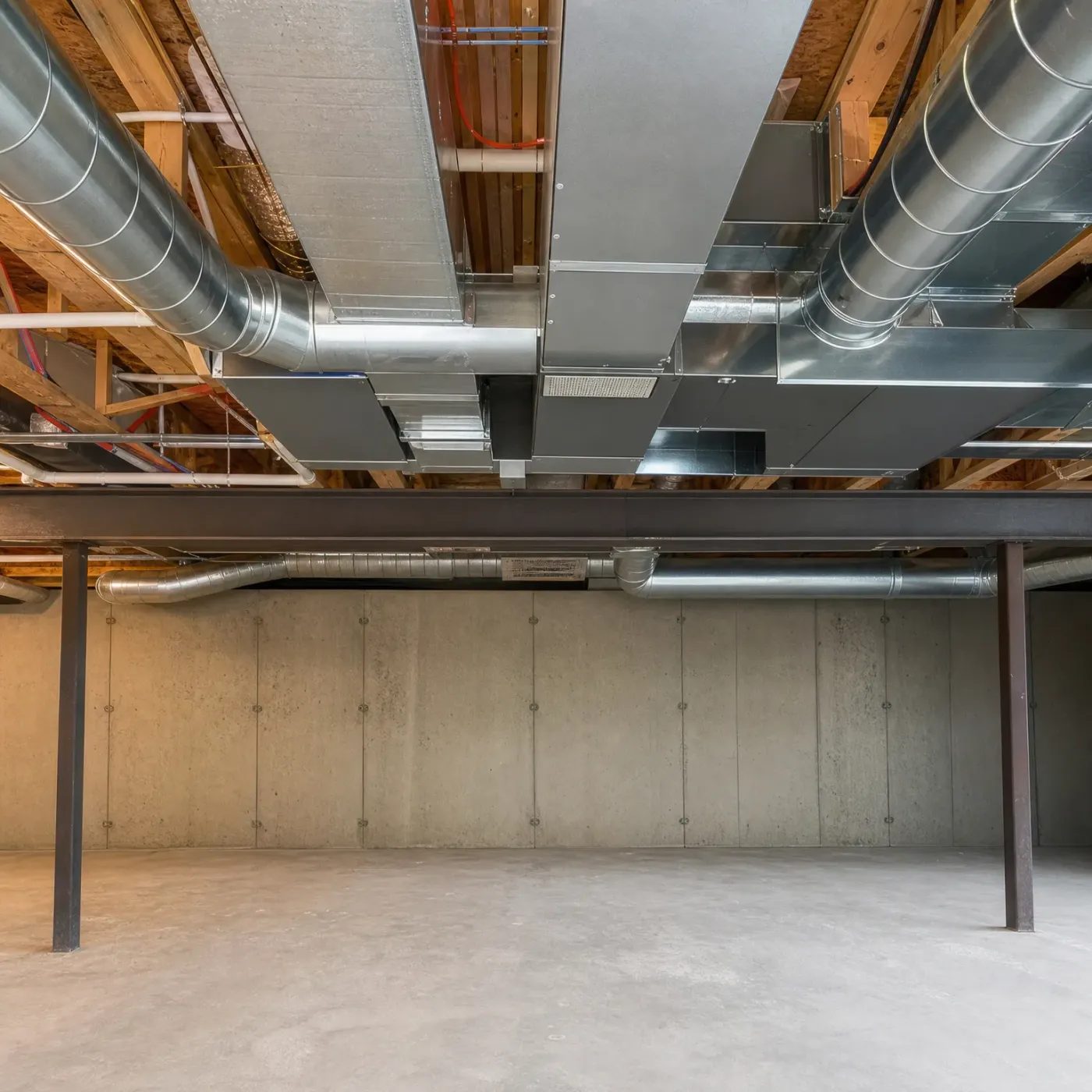
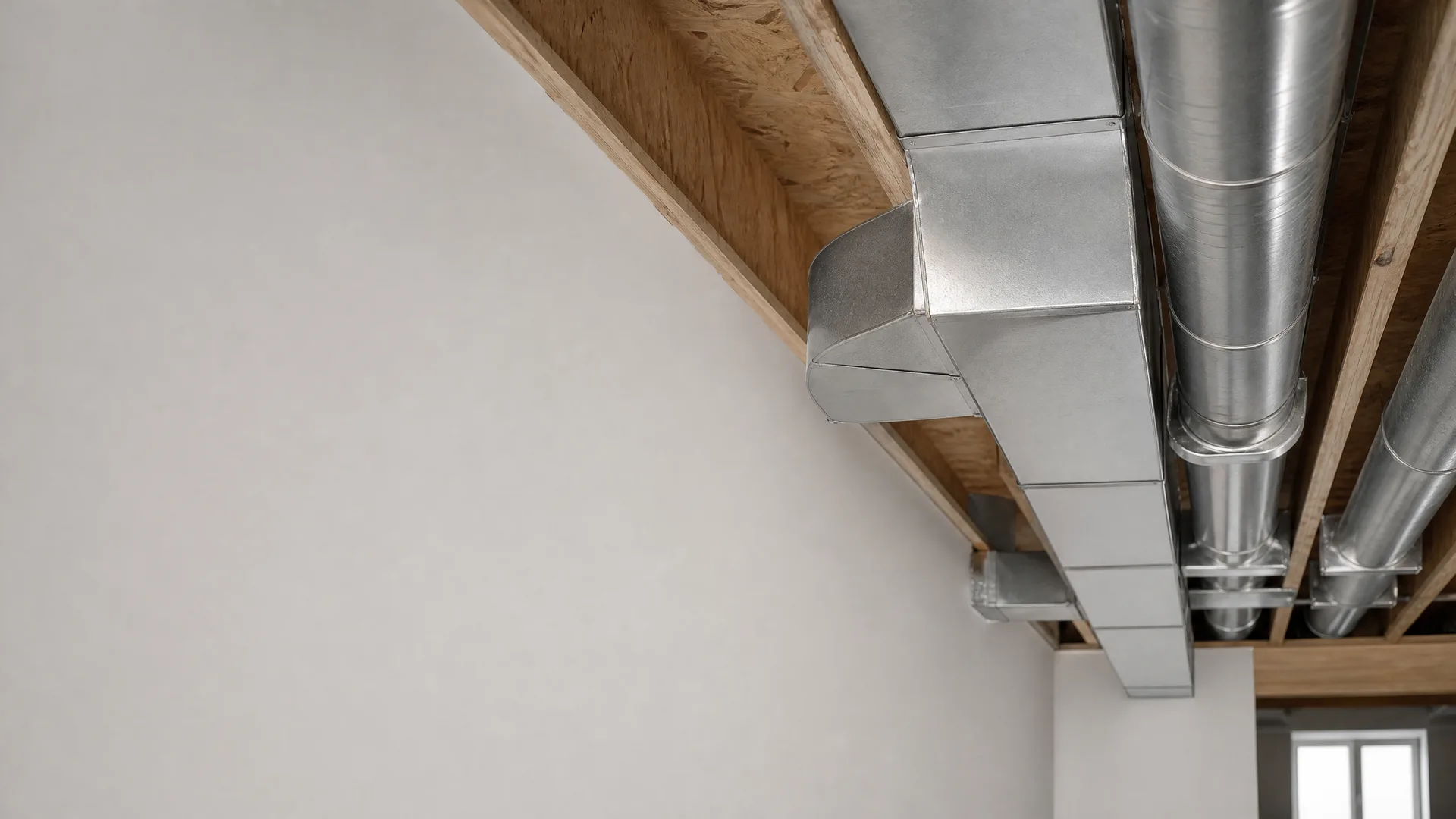
This is what a clean run looks like. The sheet metal is doing one job, carrying air from the furnace to each room, and nothing more. No buildup lining the inside, nothing riding along with the air into your house.
Duct cleaning can help your allergies if what's stirring them up is actually sitting in the ducts. Dust, pet dander, and pollen that gets pulled in through open windows settle in the ductwork and blow back out every time the system runs. Clear that out and a lot of homes do notice less sneezing and clearer breathing, especially once pollen is bad outside and the windows stay shut with the air on. But cleaning won't touch an allergy that's coming from something else, like a leak growing mold in the basement, a pet that sheds everywhere, or dust mites in the bedding. If the ducts haven't been cleaned in years and the house has pets or anyone with allergies, it's a reasonable thing to check. If allergies started suddenly or only happen in one room, the ducts are probably not the cause.


A technician hooks a vacuum to the trunk line first, then works a brush or an air whip down each branch to break loose what's built up on the walls of the duct. The return side gets the most attention, since that's the air coming straight from your rooms before it ever reaches the filter. Registers and grilles come off and get wiped down, and the coil gets checked too, because dust sitting there ends up in the air you breathe just the same as dust in the ducts. If the filter's been neglected, that usually shows up as heavier buildup inside, so it gets looked at along the way. Mold isn't assumed. It only gets treated if someone actually finds it, usually close to a spot where moisture has worked its way into the system. Any gaps or loose seams found during the cleaning get sealed, since those are an opening for attic or crawlspace air, and whatever dust is riding on it, to get pulled back into your supply air.
You notice it most when the system kicks on, not when a window's open. A sneeze a few minutes after the furnace or AC starts, a stuffy feeling that eases if you leave the house, dust on the register covers that comes back days after you wipe it down. Some rooms feel worse than others, usually the ones farthest from the unit. If your gas furnace runs from fall through spring and the AC takes over for the sticky months, that's two long stretches a year pushing air through the same ducts. Whatever settled in there during one season gets stirred up and blown through the house all over again in the next.

This is what a clean run looks like. The sheet metal is doing one job, carrying air from the furnace to each room, and nothing more. No buildup lining the inside, nothing riding along with the air into your house.

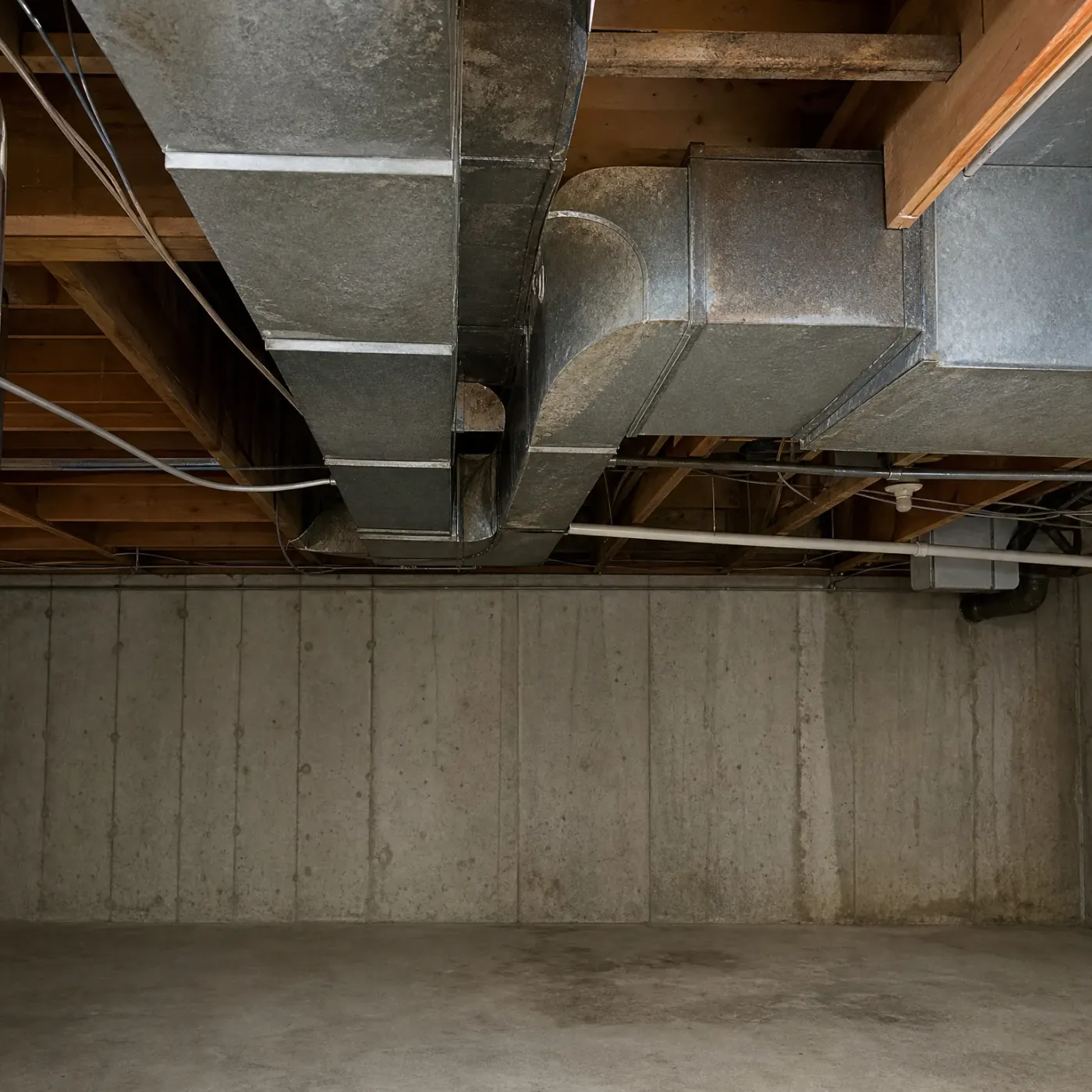
Same kind of basement, same galvanized trunk and branch lines, but the inside of this run is holding onto dust and dander that built up over years. Every cycle pushes some of it back out through your registers.


Your duct cleaning request goes to one local pro.
It costs nothing to send, and you don't have to hire anyone.
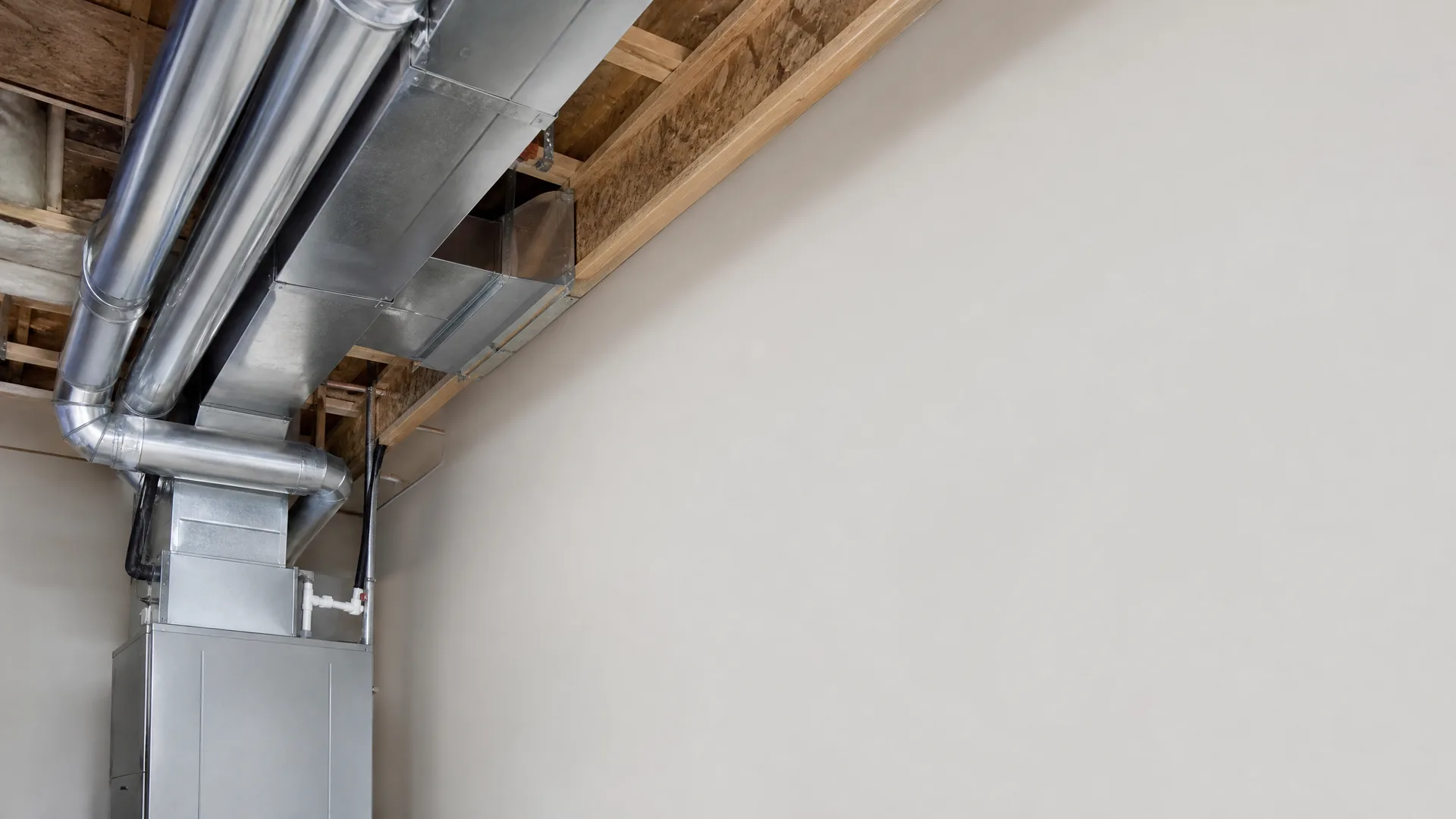
A good filter catches what passes through it going forward. It does nothing for what already lines the inside of the ducts from years before that filter went in. Dander and dust that settled on the sheet metal sits past the filter, between it and every room the system feeds. The furnace or AC pushes air over that buildup on every cycle, all through a New York winter and the sticky months after it.
The return side pulls air from inside your house before it reaches the furnace or coil, so whatever's on your floors and furniture gets drawn in first. That's usually where the heaviest buildup sits, more than the supply runs carrying air back out. A technician checking the return trunk is checking the part of the system doing the most collecting, not just the part easiest to reach from a register.
At 26.39 cents a kilowatt-hour, running a blower longer than it needs to run costs you something real. A duct system clogged with dust and dander makes the fan work harder to push the same air through your house, and you pay for that extra draw every month.
EIA-861 2025 statewide residential average
So the answer comes down to where your symptoms start. If they show up when the furnace or the AC kicks on, and ease off once you've been out of the house a while, the ducts are carrying more than air. That's not the pollen count outside and it's not something a new filter fixes, since a filter only stops what's still coming, not what already settled on the sheet metal years ago. Pet dander, dust, whatever got pulled in through an open window last spring, it rides along with every cycle until someone physically pulls it out of there. A clean duct system does one job. It moves air from the furnace or the AC to your rooms and nothing comes along for the ride. A dirty one turns the system itself into the source, so the more it runs, the more it's working against you, not for you. New York gives you two seasons where that matters, a sticky summer when the AC runs long hours and a cold stretch when the gas furnace is on most of the day. Both seasons, a loaded duct system is pushing the same dust and dander back into the same rooms, over and over. Clear it out and the system goes back to doing the one thing it's supposed to do. If what's been bothering you tracks with the system starting up rather than the season outside, this is worth ruling out.




Done looking for a duct system pro
Your request goes to one pro, not a list of companies.

