Is duct cleaning worth it in New York

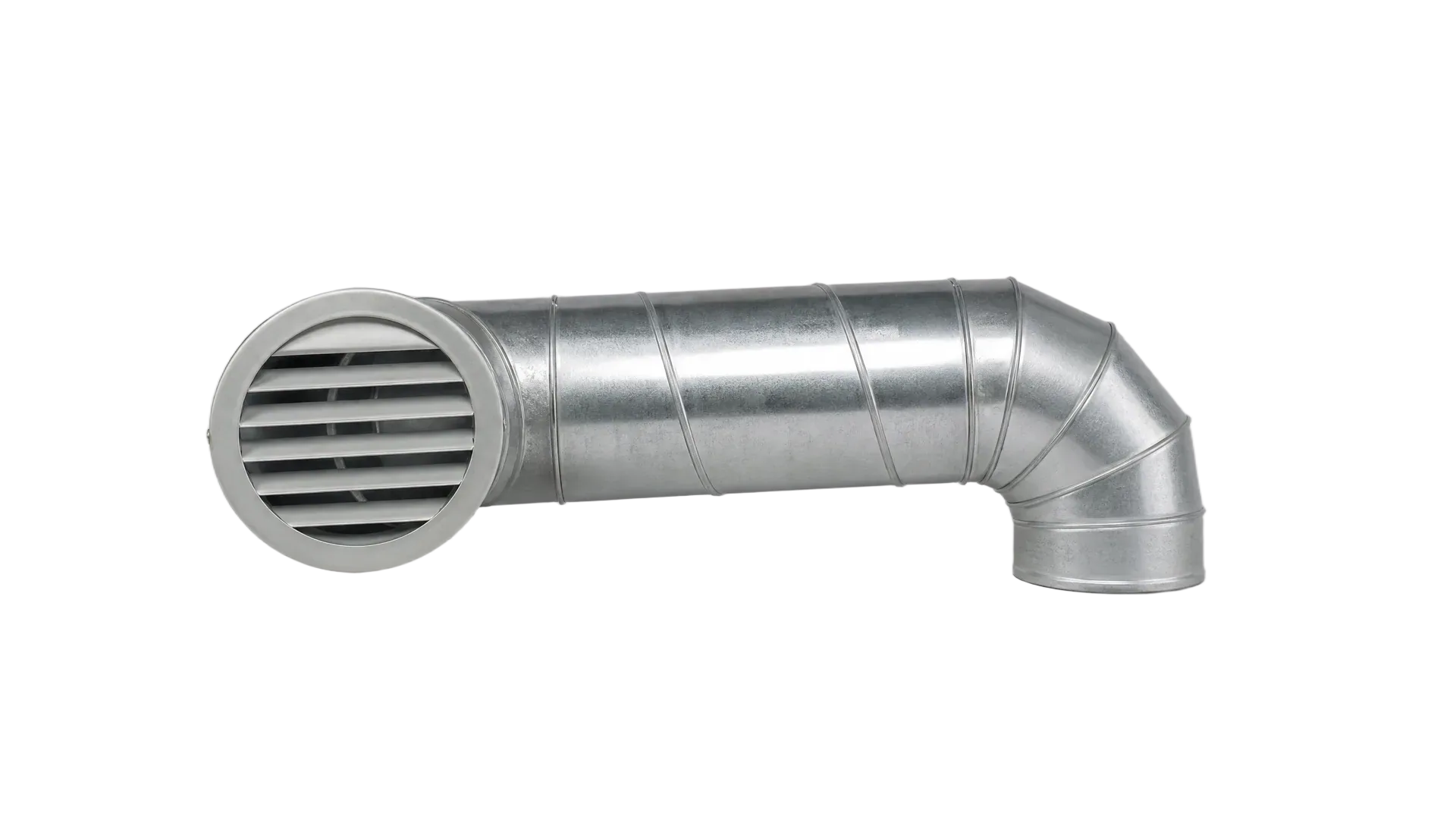
A galvanized steel round duct section with a 90-degree elbow at one end and a louvered vent grille at the other, photographed against a plain gray background.
Hand off the search

Is duct cleaning worth it in New York?

You keep an eye on small stuff before it turns into a bigger repair, and duct cleaning is one of those things that sounds like it might be worth doing but hard to know for sure. You want a straight answer, not a sales pitch, before you decide if it is worth paying someone to come out and do it.

For most homes, no, unless there's a specific problem

Duct cleaning helps when there's a reason for it. Visible mold, a rodent problem, construction dust after a renovation, or a musty smell every time the system kicks on. Without one of those, dust in the ducts doesn't build up fast enough to matter much, and the filter is doing most of the work of keeping it out of your air anyway. Where sticky summers push your AC hard and gas heat runs most of the winter, what actually affects your air quality and your bill is whether the filter gets changed and the system gets serviced. Clean ducts don't fix a dirty filter or a system that's overdue for a checkup. If you've got a specific reason to suspect the ducts themselves, it's worth doing. If you're just wondering, it's probably not where your money does the most good.

A dimly lit living room corner with a dark wood side table holding a pale ceramic vase of leafy branches, a beige sofa with a dark gray cushion, and a sheer-curtained window showing trees and a roofline outside.

Sunday afternoon in April, and the light coming through the window shows what you don't notice most days. There's a gray film across the ceiling vent, thicker at the edges of the grille, and a fine layer of it settled on the bookshelf underneath, on the lamp, on the arm of the couch. You run a finger along the slats and it comes back dark. The windows have been shut all winter with the furnace running, and whatever's been moving through that duct has been landing here the whole time, you just didn't look up. You wipe the shelf down, open a window to let some of the spring air in, and glance back at the vent, wondering how long it's looked like that.

What's actually coming out of your vents right now

Turn on the blower and hold your hand near a return grille. If air feels gritty or carries a musty smell, that's the duct talking. Look at the supply registers in rooms you don't use much, a guest room or a finished basement. Dust built up there sits undisturbed longer than anywhere else in the house. A dark ring around the grille itself, not just the vent cover, usually means debris is moving past it every time the system runs. If anyone in the house has been sneezing more at home than away, or a window unit nearby seems to pull in more dust than it used to, that's worth noticing too. None of this means the ductwork is unsafe, but it is the system telling you what's circulating through air you breathe every day.

Empty basement with bare concrete walls and floor, a small window at left, and exposed wood joists with galvanized sheet metal ductwork and pipes overhead.

Clean ductwork

This is what a duct system looks like when it's doing its job. The metal stays bright, the flex runs clear, and nothing but air moves through on its way to your rooms. Dust settles on furniture at a normal rate because the duct isn't adding to it.

Dusty sheet-metal HVAC ducts with a rectangular vent register run beneath wooden floor joists above an empty concrete-walled basement.

Neglected ductwork

Years of dust build a dark coat on the inside of the metal, thick enough to see from across the basement. Every time the blower kicks on, some of that layer stirs loose and rides the air into your rooms. The duct stops being a clean path and becomes part of what you're breathing.

A smiling man in a blue denim shirt over a white tee sits at a light stone kitchen counter with a grey mug and a bowl of oranges and bananas, with pendant lights and shelving behind him.
A smiling bearded man in a grey long-sleeved shirt sits at a kitchen counter with a dark mug, with a dining table, pendant light and glass doors onto greenery behind him.
A bearded man in a dark green knit sweater smiles and looks off to the side while standing at a kitchen counter with a white mug of coffee, with open shelving, a potted tree, and a dining table near large windows behind him.
A man with dark curly hair in a dark green sweater stands smiling and looking to the side in a kitchen with white cabinets, a potted plant, a stone countertop with a ceramic mug, and a dining area with framed art in the background.

It's off your list after this

Your duct cleaning request goes to one local pro.

You're not committing to anything by asking.

How a duct cleaning actually works

  • A duct cleaning job runs a brush or whip down the trunk line and branch runs while a vacuum pulls debris out through an access cut.
  • Every supply and return gets sealed off except the one being worked, so the vacuum draws air through that run instead of the whole house.
  • The technician cuts small access ports into the sheet metal, then seals them back up with metal tape or mastic when the run is clean.
  • Negative pressure from the vacuum is what pulls loosened dust toward the access point instead of pushing it further into the system.
  • The plenum near the furnace or air handler gets the most attention, since that's where dust and debris collect before splitting off into branch runs.
  • A camera run through the ducts beforehand shows the technician where the buildup actually sits before any brush goes in.

The process is more mechanical than people expect. A vacuum gets connected to the system, usually near the plenum, and it has to pull enough suction to move air through metal or flex duct that runs through your walls and floors. That only works if the rest of the system is sealed off. Every register and return gets covered except the section the technician is actively cleaning, so the airflow has somewhere specific to go instead of just drawing from the nearest open vent. Inside the duct itself, a rotating brush or a whip on a flexible rod knocks loose what's built up on the walls of the run, and the vacuum's negative pressure carries it out through the access point rather than letting it drift deeper into the system. Getting to some sections means cutting a small hole in the sheet metal, since not every run has a register close enough to reach from. Those cuts get closed up afterward with metal tape or mastic, the same materials used to seal ductwork during installation. A lot of jobs start with a camera fed into the ducts first, which shows where debris has actually collected instead of guessing. The plenum right off the furnace or air handler usually gets the closest look, since that's the point where everything funnels together before splitting off toward individual rooms.

Galvanized sheet metal HVAC ductwork with a vent grille running along a wooden joist ceiling above a bare concrete wall.
Before you get your ductwork cleaning
A basement with a gray furnace on a concrete pad connected to large sheet-metal ducts running along an exposed wood joist ceiling, with PVC pipes and plastic sheeting on the walls.
After you get your ductwork cleaning

Gas furnace, forced air

Gas furnaces push a lot of air through the same ducts all winter. Whatever is sitting in the trunk line gets carried into every room you heat.

Get one local pro

Electric rates in New York

With power priced the way it is here, a blower working harder to push air through dirty ducts shows up on the bill before you'd notice anything else.

Get one local pro

Power costs 26.39 cents per kilowatt-hour statewide

At 26.39 cents a kilowatt-hour, every extra hour your blower motor spends pushing against clogged ducts shows up on the bill. A motor straining to move air through a restricted trunk line draws more power to do the same job, month after month.

EIA-861 2025 statewide residential average

So is duct cleaning worth it in New York. If the vents are dusty, the registers in rooms you barely use are coated, or the furnace has been running hard all winter without anyone looking at the ductwork behind it, yes. A clean duct system moves air the way it was designed to, the blower doesn't have to work past a restriction, and what comes out of the vents in your bedroom is just air, not whatever settled in the trunk line since the last time anyone checked. You already look at small problems before they become big ones. This is one of them, and it's an easy one to check. Look at a return grille, run a hand near it, decide for yourself whether it's time. If it is, a local contractor who works on duct systems through winters and summers here can take it from there.

A bearded man in a navy T-shirt sits on a light-colored couch indoors, smiling while looking down at a laptop screen in the foreground, with a framed picture and a potted plant blurred behind him.
A bearded man in a plaid flannel shirt sits indoors looking out a window at snow-covered trees, with a steaming mug on the sill and wooden kitchen shelves behind him.

Ductwork Cleaning

Send one request and you're done looking

Only one pro gets your request, so you hear from one company.

A black-framed smartphone standing upright against a plain light gray background, its screen filled with solid green.
Duct and vent cleaningDucts or ventsNew York
Step 1 of 2

What ZIP code is the job in?











