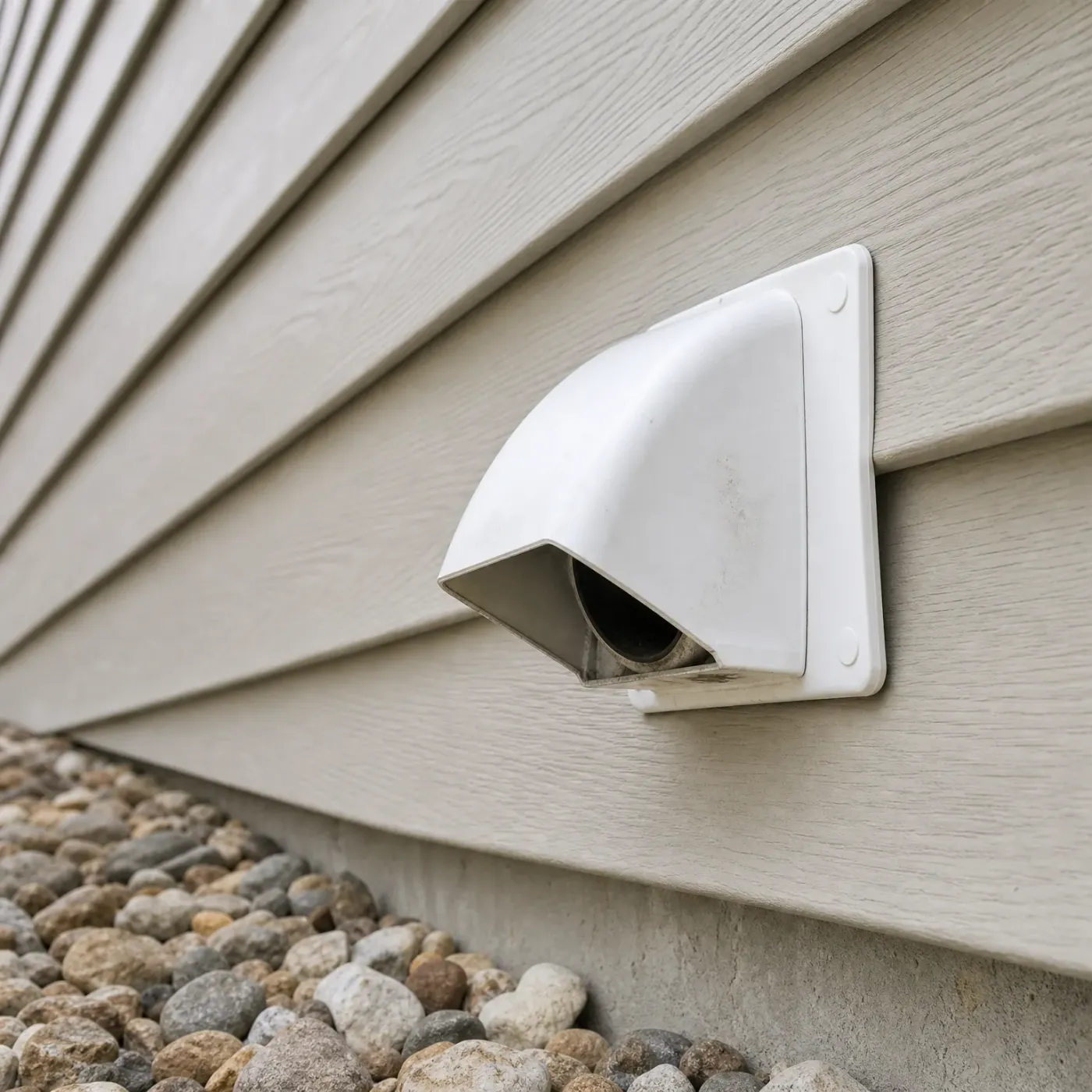
A metal hooded dryer vent cover screwed to gray horizontal lap siding, with warm late-day light and leaf shadows across the wall and green shrubs at the lower right.

A local pro for your dryer vent cleaning

Dryer taking too long to dry in Bronx, NY

A load that used to take 40 minutes now runs through two or three cycles and the clothes still feel damp. Usually that comes down to a vent that's not moving air the way it should. This page gets into what causes it and what to check. Past that, a local contractor who works on vents all year can take a look and clear it.

Find my pro

A dryer that takes two or three cycles to do what one used to do almost always comes down to airflow. The drum heats fine, the lint screen is clean, but the hot, wet air has nowhere to go, so it just recirculates and the clothes stay damp. Most of the time the cause is lint packed inside the vent line itself, not the trap you clean each load. That buildup happens slowly, and it gets worse in homes with long vent runs or several bends between the dryer and the outside wall, which is common in a lot of Bronx houses and apartments. A partly blocked vent also makes the dryer run hotter and longer than it should, which adds wear on the heating element and the motor over time. If your cycles have stretched out gradually rather than all at once, that pattern points straight at a vent that needs to be cleared, not a dryer that needs to be replaced.

A bearded man in a dark plaid flannel shirt stands indoors looking out a window at a snow-covered yard, with a dark gray mug on the windowsill and kitchen shelves behind him.
A bearded man in a blue T-shirt sits on a gray couch smiling while looking down at a laptop screen, with a houseplant and window in the blurred background.

A dryer doesn't dry with heat alone. It dries by pushing hot, wet air out of the house, and anything that slows that air down stretches the cycle. When a vent gets restricted, the thermostat inside the dryer senses the heat building up and starts cycling the element on and off faster to keep from overheating. The drum still turns, the air still feels warm, but less of it is actually moving, so the moisture stays in the clothes. Where the vent runs matters too. Every bend it takes costs some pressure, and a run with several turns needs more push to clear the same distance as a straight one. The material matters as well. Rigid metal duct lets air pass with little resistance, while the coiled foil or plastic duct found behind some older installs fights it the whole way. Even the hood flap outside can be the problem, if a weak spring or packed lint keeps it from swinging fully open.

Why airflow drops off

  • A clogged vent forces the dryer's thermostat to cycle the heating element on and off faster than normal, which stretches drying time without shutting the machine down.
  • Every elbow or 90 degree turn in the vent run adds resistance, so a vent with several bends needs more static pressure to push air the same distance.
  • Rigid metal duct moves air with far less resistance than the coiled plastic or foil duct some homes still have behind the dryer.
  • A vent hood flap that won't open all the way, often from a weak spring or built-up lint, chokes airflow right at the point it exits the house.
  • Longer vent runs lose more pressure over distance, so a dryer vented straight out a nearby wall clears lint easier than one running the length of the house.
  • The lint that collects inside the duct itself, not just the screen, builds up gradually and narrows the path air has to travel.
A woman in a cream turtleneck sweater stands beside a large window with snow outside, looking to the side, in a dimly lit living room with a sofa, lamps, candles and framed artwork.
A woman in a light gray cable-knit turtleneck sweater stands by a window looking outside at snow, with a living room behind her containing a stone fireplace, lit lamp, framed pictures, and a sofa with a plaid throw.
A woman in a dark gray turtleneck sweater stands by a window with snow visible outside, in a dimly lit living room with a gray sofa, lamp, framed painting, and dark-framed glass door.
A woman in a cream turtleneck sweater stands by a window looking out at falling snow and snow-covered trees, with a dimly lit living room containing a sofa, lamp and fireplace behind her.

Under 150 feet is the rule of thumb

A straight vent run should stay under this length for the dryer to push air out fully. More length or any bends past that adds real resistance to the system.
Reach a local pro

One blocked foot is enough

Lint doesn't need to fill the whole line to slow a dryer down. A partial clog near the wall cap or roof vent can cut airflow as much as a full one.

Reach a local pro

Vent Problem or Something Else

Vent problem

  • Drying time stretches out gradually, worse load after load, as lint builds up in the vent run.
  • The outside hood flap barely moves or doesn't open at all when the dryer runs.
  • The dryer feels hot to the touch on top or around the door during a cycle.
  • A burning or hot dust smell shows up partway through drying.
  • Clothes come out hot and damp rather than just cool and slightly damp.
  • The problem shows up no matter what you're drying, towels, sheets, a small load of shirts.

Something else

  • Drying time has been long since the dryer was installed, not something that changed over time.
  • The lint screen fills up unusually fast, even right after you've cleaned it.
  • The dryer trips the breaker or won't stay running long enough to finish a cycle.
  • Gas dryers that won't heat at all point to the igniter or gas supply, not the vent.
  • The drum turns but there's little or no heat at any point in the cycle.
  • Only one specific fabric or load size dries slowly while everything else comes out fine.
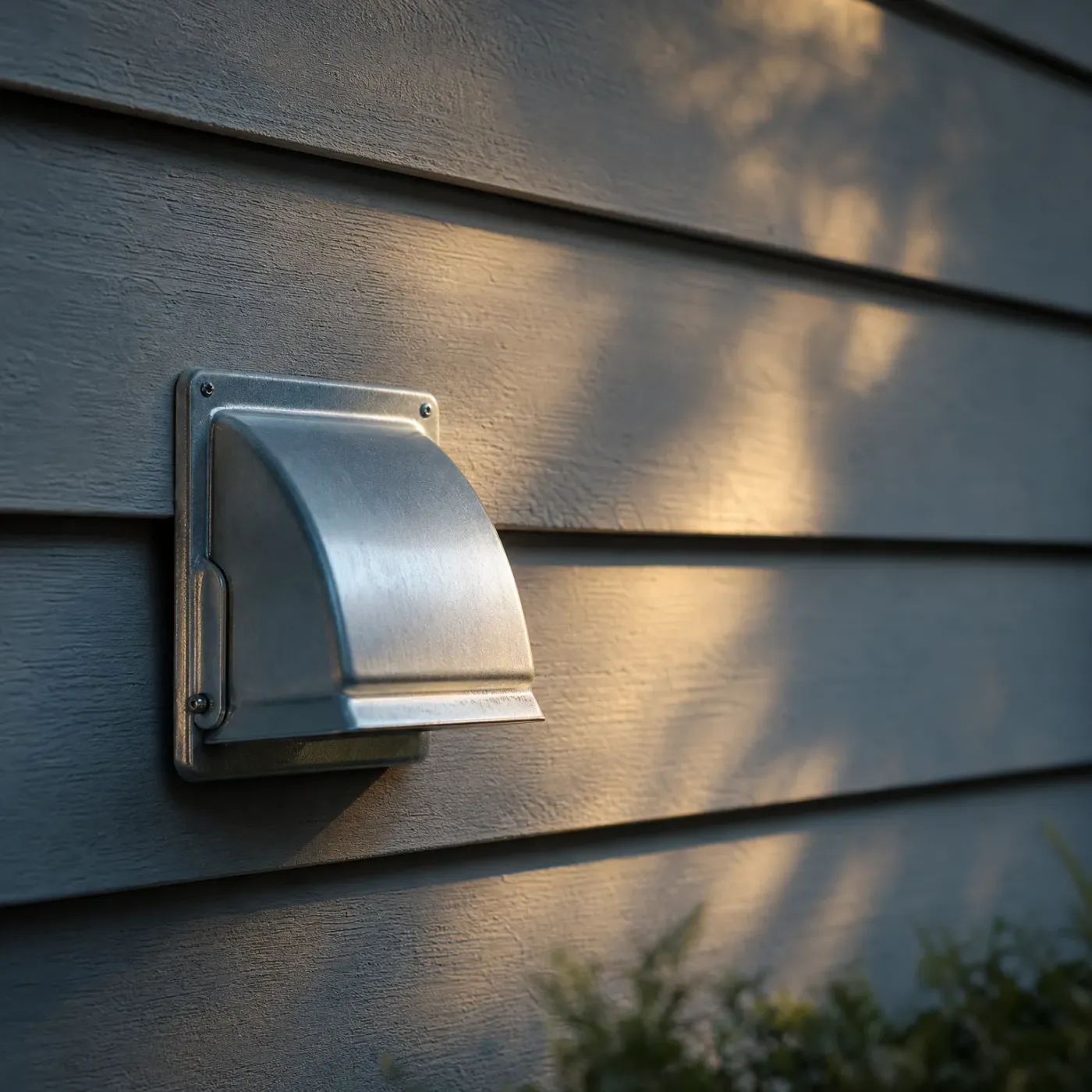
A metal hooded exterior vent with a screened opening mounted on gray horizontal lap siding, with a plain white wall at right.

What a blocked vent costs you

Every extra cycle it takes to dry a load is electricity you're paying for twice, and power in the Bronx isn't cheap. Run the dryer three times for one load of towels often enough and it shows up on the bill. The heating element also works harder and longer than it was built to, since the thermostat keeps cycling it to chase a temperature the trapped air won't let it reach.

A white plastic hooded dryer vent cover screwed to light gray horizontal lap siding at an exterior wall corner.

The risk sitting behind your dryer

Lint is what starts dryer fires, and a vent that isn't clearing air is a vent packing lint somewhere between the back of the machine and the outside wall. You won't see it from the laundry room. The clothes coming out damp and hot to the touch is the dryer telling you the exhaust has nowhere to go, and that heat is building up in a space you can't check yourself.

2.53 people per household on average

Most households here run 2 to 3 people, which usually means a load of towels or sheets most days of the week. A vent that's already restricted gets less of a break between runs, so lint builds up faster and the slowdown shows up sooner.

ACS 2020-2024

A white square dryer vent hood with a hinged flap mounted on light gray horizontal siding above a concrete foundation wall.

Air moving freely

The flap hangs open while the dryer runs and closes flat against the siding when it's off. Air pushes out in steady puffs you can feel from a few feet away. That's a vent doing its job.

A white plastic hooded dryer vent screwed into light gray horizontal lap siding above a concrete foundation wall, with lint and dirt visible inside the vent opening.

A vent losing the fight

Lint has built up around the opening and the flap barely lifts anymore. Less air gets pushed out than comes from the drum, so more of it backs up into the vent run and the dryer runs longer for the same load.


A white hooded dryer vent mounted on light-colored lap siding above a concrete foundation, with lint clogging its opening.
Before you get your dryer vent cleaning
A stainless steel hooded dryer vent with four corner screws mounted on white horizontal lap siding above a gray concrete foundation.
After you get your dryer vent cleaning
A white plastic hooded dryer vent mounted on beige lap siding above a concrete foundation, with river rock gravel at the base.

A pro who works on dryer vents

A licensed pro who works in Bronx County gets your request.

Get matched with a pro who works on dryer vents in Bronx County.

Find a licensed dryer vent pro

You're not committing to anything by asking.

Why does a Bronx County house fill the vent so fast?

  • 2.53 people per household on average

    Average household here runs 2.53 people, so most weeks mean several loads, not one. Each run through a clogged vent adds lint before the last load even cleared out.

  • Half the homes here were built by 1955

    Half the homes in Bronx County went up in 1955 or earlier, per the Census. Vent runs from that era were often built shorter and straighter, but decades of lint can still narrow them down to almost nothing.

  • Power here costs 36.97 cents per kilowatt-hour

    Electricity here runs 36.97 cents per kilowatt-hour, among the higher rates in the country. A dryer stuck running two or three cycles for one load burns through that rate every time.

ACS 2020-2024 · EIA-861 2025

A white hooded exterior vent cover with a mesh screen mounted on gray lap siding above a concrete foundation.
The hood sits flush, screwed down tight at all four corners, and opens when the dryer kicks on.
A white plastic hooded dryer vent mounted on beige lap siding, with gray lint clogging its louvered opening and hanging below it.
Lint has packed the opening until the flap can't close or swing free, and loose fibers hang off the edge.
  1. Lint builds up inside the vent run with every load dried.

  2. Airflow narrows until hot, wet air can't push outside anymore.

  3. Trapped moisture keeps recirculating through the drum instead of venting.

  4. The thermostat cycles the heating element on and off more.

What's actually happening in your laundry room

Run a load and open the dryer door partway through. The air inside feels heavier than it should, almost steamy, and the laundry room itself picks up warmth and a damp, slightly burnt smell that wasn't there before. Touch the dryer's top panel or the door frame and it's hotter than normal. Outside, the exhaust hood barely puffs when the dryer is running. None of this is the dryer failing. It's a vent that can't move the air out fast enough, so the moisture stays in the drum and keeps recirculating. Left alone, that trapped heat is what wears out the heating element and the thermostat sooner than they should go.
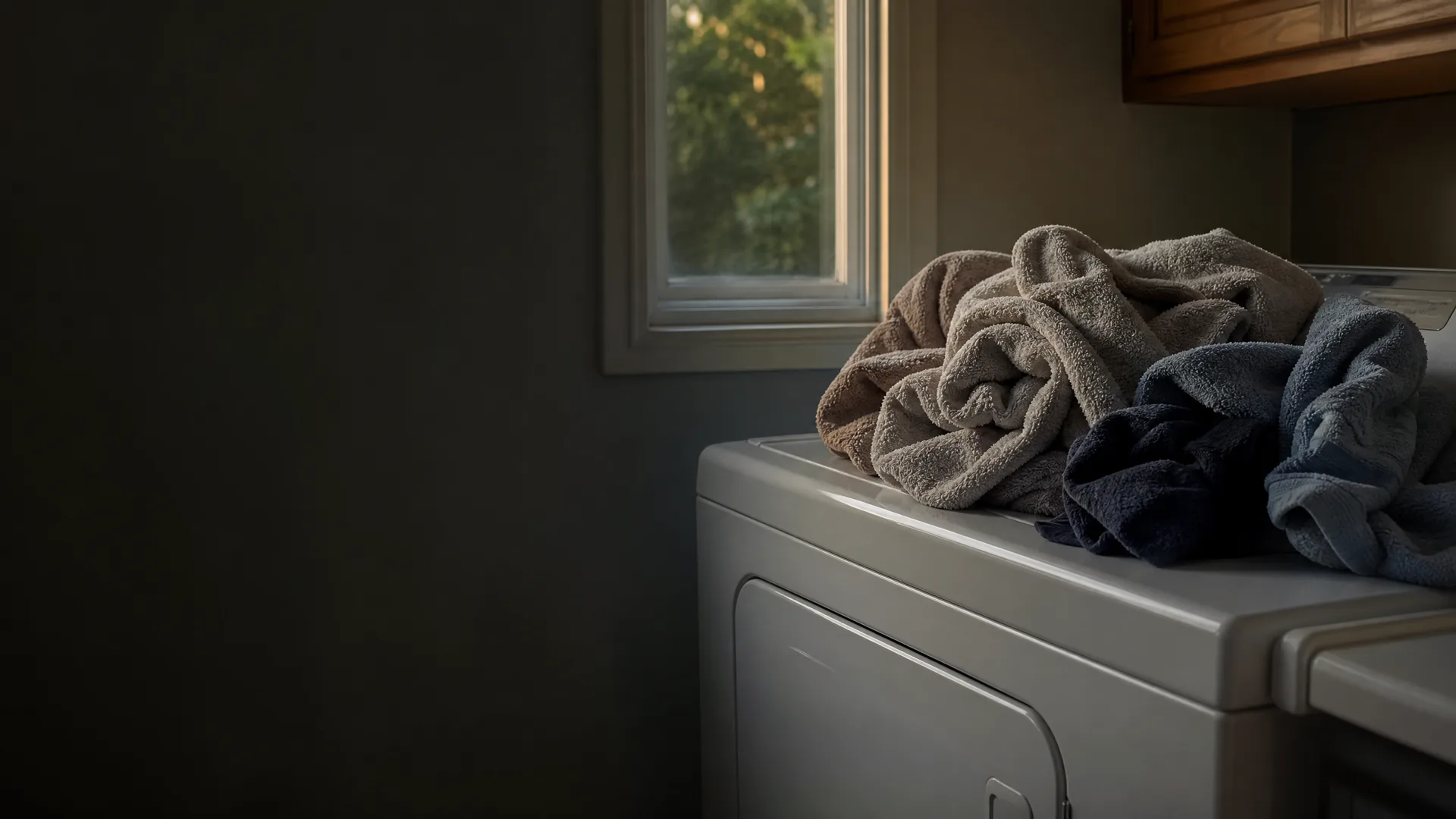
A pile of crumpled beige and blue towels sits on top of a light gray dryer in a dim room with a small window and upper wood cabinet.

It's past eight on a weeknight and you've already run the towels twice. You pull the door open and they're still damp at the folds, heavier than they should be, cool instead of warm. The laundry room smells faintly scorched, the way it has the last few weeks. You press them against your cheek out of habit, hoping this time is different, then load them back in for a third round. Outside, past the wall, the vent hood sits still instead of puffing with each gust of warm air. You don't check it tonight. You just start the dryer again and go back to whatever you were doing before, the hum of another cycle running behind you.

A man in a gray polo shirt holding a clipboard walks up a paved path toward a light-colored house where a woman stands in the open front doorway.

A slow-drying load is the vent asking for help

A dryer that needs two or three runs to do one load of towels is telling you the air isn't getting outside anymore. The heat still works. The drum still turns. What's missing is the path out, and that's a vent problem, not a machine wearing out. Clear the run and the dryer goes back to doing the job in one cycle, the way it used to.

A contractor local to Bronx County who clears these vents through the winter and the muggy months alike has seen this exact pattern plenty of times, on the same style of hood and the same length of run you've got. You'd be matched with one contractor, not a handful calling you back, and that one would reach out knowing roughly what to expect before ever seeing your laundry room.


Interior corner with a beige sofa holding a dark green and a light cushion and a textured throw, a potted small-leaved tree beside a white-framed window, and a dark shallow bowl on a wooden coffee table in the foreground.
A white clapboard house with black-trimmed windows and a dormer, photographed at dusk with lit windows, an illuminated porch and dark front door, flanked by potted hydrangeas, a stone walkway, clipped hedges and lawn.

Dryer Vent Cleaning

Get your dryer vent to the right pro

Duct and vent cleaningBronx County, NY
Step 1 of 3

What kind of equipment?

  • A ceramic table lamp with a tapered beige shade sits on a wooden side table with a drawer, beside a shallow wooden bowl holding a stone sphere and a potted green plant, next to an upholstered chair with a knit throw.
    • Your request goes to a Bronx County pro who takes dryer vent jobs.
    • Get matched with someone who does this kind of work in Bronx County.
  • A potted green trailing plant in a textured ceramic pot with saucer sits on a wooden side table beside a small wooden bowl, with a ceramic table lamp, framed picture, and sunlit window nearby.
    • After you send the request, you're done searching.
    • Send the form and the dryer vent cleaning stops sitting on your list.
  • A beige upholstered armchair with a green cushion and knit throw sits beside a tall indoor plant and a wooden side table holding a potted plant near a bright window.
    • Skip searching for someone who cleans dryer vents in Bronx County.
    • Fill out one short form instead of calling around.
  • A beige upholstered armchair with a striped cushion and fringed throw sits beside a window with sheer curtains, next to a wooden side table holding a dark ceramic lamp, with a potted tree in a woven basket behind and a jute rug on the dark wood floor.
    • Your dryer vent cleaning request goes to one local pro.
    • Your request goes to one pro, not a list of companies.